
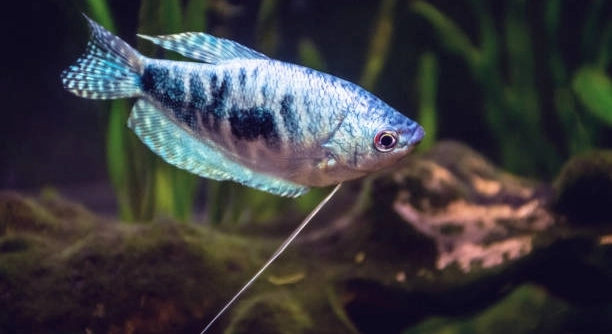
Gouramis are gentle fish that often brighten up home aquariums. Observing them swim gracefully is enjoyable, but sometimes they may become unusually still, leaving their owners concerned about their health and environment.
If your gourami refuses to move, the issue is often related to water quality, temperature fluctuations, or illness. Ensuring stable water conditions, proper nutrition, and observing for signs of stress or disease can help restore normal activity and behavior.
Understanding the reasons behind a gourami’s inactivity will help maintain a healthy aquarium. Simple adjustments can prevent long-term problems and keep your fish active and comfortable in their habitat.
Common Reasons Gouramis Stop Moving
Gouramis may become still due to a variety of environmental and health-related factors. Poor water quality is often the first thing to check. High levels of ammonia, nitrites, or nitrates can cause stress and lethargy. Temperature fluctuations or water that is too cold can slow a gourami’s metabolism, making it less active. Overcrowding in the tank can also create tension and reduce swimming behavior. Illnesses, such as bacterial or parasitic infections, may lead to weakness or unusual resting patterns. Even sudden changes in lighting or frequent disturbances around the tank can make a gourami hide and stay in one spot. Monitoring water conditions regularly and maintaining a stable environment is essential. Nutritional deficiencies can contribute as well, so a balanced diet is important. Paying attention to subtle behavioral changes can help address issues before they become severe. Observing your fish closely will allow you to respond quickly.
Stress often manifests through inactivity. Identifying the source early is key.
Some gouramis are naturally more reserved, but consistent inactivity usually signals a problem. Adjusting water quality, temperature, and diet can make a noticeable difference. Providing hiding spaces and maintaining a calm environment helps gouramis feel secure. Quarantining new fish or treating illness promptly also prevents further issues. Regular water testing, proper filtration, and stable conditions encourage healthy movement. Observing feeding habits and interactions with other fish reveals if the inactivity is behavioral or health-related. Minor adjustments, like rearranging decor or controlling light cycles, often stimulate activity. Overall, careful observation and small, consistent changes in care improve your gourami’s health and responsiveness over time, reducing periods of unusual stillness.
Checking Water Quality and Temperature
Maintaining stable water conditions is essential for gourami activity. Regular testing prevents harmful chemical build-up.
Water quality directly affects a gourami’s behavior. Poor conditions stress the fish and can cause lethargy or refusal to swim. Ammonia, nitrites, and nitrates should remain at safe levels, while pH and hardness must suit the species’ requirements. Temperature consistency is equally important, as sudden drops can slow metabolism and activity. Gouramis thrive in slightly warm water, and using a heater with a thermostat ensures steady conditions. Filtration and regular water changes reduce toxins and promote a healthier environment. Observing fish reactions after water adjustments provides feedback on their comfort level. Even minor fluctuations in chemical balance or temperature can lead to prolonged inactivity. Creating a calm, stable tank with adequate hiding spaces helps gouramis feel secure and encourages regular swimming. Combining proper diet, clean water, and a consistent temperature range results in more energetic and healthier fish. With careful attention to these factors, you can prevent many common causes of inactivity.
Diet and Nutrition Adjustments
A balanced diet is crucial for gourami activity. Poor nutrition can make them weak or lethargic. Feeding a mix of flakes, pellets, and occasional live food helps maintain energy and overall health. Avoid overfeeding, as excess food can harm water quality and reduce activity.
Providing proper nutrition improves energy levels and immune response. Gouramis benefit from high-quality food that meets their dietary needs. Including live or frozen foods, like brine shrimp or bloodworms, stimulates natural hunting behaviors and encourages movement. Overfeeding can lead to digestive issues and contribute to poor water conditions, increasing stress. Consistent feeding schedules support regular activity and overall well-being. Supplements or varied diet options may help fish that show prolonged inactivity, ensuring they receive essential vitamins and minerals for proper growth and vitality.
Observing your gourami during feeding times reveals a lot about their health. If they show little interest in food, it may indicate stress, illness, or an unsuitable environment. Adjusting portion sizes and meal frequency can improve appetite. Rotating types of food keeps them engaged and encourages normal swimming patterns. Proper diet, combined with clean, stable water, creates an environment where gouramis naturally become more active. Supporting their nutrition is one of the simplest ways to address unusual stillness and promote healthier behavior consistently.
Tank Environment and Decorations
Tank layout affects gourami behavior. Lack of hiding spots or overcrowding can make them stay still more often. Adding plants and decor gives comfort and encourages movement.
Providing a well-structured environment improves activity and reduces stress. Gouramis need open areas to swim and secure spots to rest. Plants, rocks, or ornaments create hiding places, allowing them to feel safe. Avoid overcrowding, as too many fish increase tension and limit swimming space. Rearranging decorations occasionally stimulates curiosity, prompting exploration. Tank size must be appropriate for the number of gouramis, supporting natural behavior. Lighting should mimic a natural day-night cycle to promote regular activity. A calm environment without excessive disturbances helps gouramis remain confident and encourages normal swimming. Properly placed decorations and careful management of tank space result in more visible and active fish, enhancing overall health and behavior.
Stress and Behavioral Factors
Gouramis may stop moving due to stress from frequent disturbances or aggressive tank mates. Reducing noise, limiting sudden movements near the tank, and ensuring compatible fish can improve their activity and overall well-being.
Behavioral issues, such as shyness or dominance from other fish, can also lead to stillness. Providing enough space and hiding spots allows gouramis to feel secure and encourages natural swimming patterns.
Signs of Illness
Lethargy, clamped fins, loss of appetite, or unusual swimming patterns often indicate illness in gouramis. Early detection helps prevent serious health problems and allows timely treatment. Observing these signs closely is essential for maintaining their health.
Quarantine and Treatment
Sick or new fish should be quarantined to prevent the spread of disease. Using appropriate medication and monitoring water conditions during treatment helps recovery. Quarantine also reduces stress for other tank inhabitants, keeping the environment safer and healthier.
Regular Observation
Consistent monitoring of your gourami’s behavior and environment helps catch problems early. Watching their movement, feeding, and interactions ensures any issues are addressed before they worsen.
FAQ
Why is my gourami staying at the bottom of the tank all the time?
Gouramis often rest at the bottom if they feel stressed, cold, or weak. Check water temperature and quality first, as fluctuations or poor conditions can slow their metabolism. Overcrowding or aggressive tank mates may also force them to stay low. Providing hiding spots and ensuring stable conditions helps them feel safe and encourages normal swimming. A balanced diet supports energy levels, reducing prolonged resting at the tank bottom.
What should I do if my gourami refuses to eat?
Loss of appetite can indicate stress, illness, or improper water conditions. Observe your gourami for other signs like clamped fins or unusual spots. Adjust feeding schedules and offer a variety of high-quality foods, including flakes, pellets, and occasional live or frozen options. Ensure water temperature and pH are within the recommended range. If appetite does not improve, consider consulting a veterinarian or using a quarantine tank for treatment.
Can temperature changes make my gourami inactive?
Yes, gouramis are sensitive to temperature fluctuations. Sudden drops or inconsistent heating can slow metabolism and make them lethargic. Keep the water within the species’ preferred range, usually slightly warm. Using a reliable heater and monitoring with a thermometer ensures stable conditions. Gradual adjustments, rather than abrupt changes, prevent stress and support regular activity.
Is my gourami sick if it is hiding a lot?
Frequent hiding can be a sign of stress, illness, or fear. Look for other indicators like labored breathing, discoloration, or clamped fins. Ensure water quality is clean and stable, and reduce disturbances near the tank. Providing plants and decorations gives security. If hiding continues with other symptoms, quarantine and treatment may be necessary.
How do I encourage my gourami to move more?
Improving water quality, maintaining proper temperature, and offering a balanced diet are key. Adding plants and hiding spots creates a stimulating environment. Avoid overcrowding and keep the tank calm. Introducing occasional live food encourages natural hunting behavior and promotes swimming. Regular observation helps identify subtle issues that may reduce movement.
Can aggressive tank mates affect my gourami’s activity?
Yes, aggressive or territorial fish can intimidate gouramis, making them less active. Ensure tank mates are compatible and provide enough space for each fish. Rearranging decor and adding hiding places can reduce tension. Observing interactions helps determine if behavior is due to stress or health issues.
When should I use a quarantine tank?
A quarantine tank is useful for new or sick fish. It prevents disease from spreading and allows focused treatment. Monitor water quality, behavior, and appetite while in quarantine. This step ensures the main tank remains healthy and reduces stress for all inhabitants.
Are there long-term effects if my gourami stays inactive?
Prolonged inactivity can weaken the immune system, affect growth, and increase susceptibility to disease. Identifying and addressing underlying causes, such as poor water quality, illness, or stress, helps prevent long-term harm. Consistent care supports overall health and vitality, ensuring a more active and resilient fish.
How often should I check my gourami’s behavior?
Daily observation is ideal. Watching movement, feeding, and interactions helps catch issues early. Noting small changes, like reduced swimming or appetite, allows timely adjustments in water conditions, diet, or tank environment. Regular monitoring ensures your gourami remains healthy and active.
What signs indicate immediate action is needed?
Signs like rapid breathing, floating at the surface, visible wounds, or complete refusal to eat require prompt attention. Test water quality, adjust conditions, and isolate the fish if necessary. Immediate action prevents worsening health and supports recovery.
Gouramis are delicate fish that rely heavily on their environment and care routines to stay healthy and active. Observing a gourami that refuses to move can be worrying, but most cases are related to manageable issues like water quality, temperature, diet, or stress. Consistent maintenance of the tank is essential, including monitoring ammonia, nitrite, and nitrate levels, ensuring proper filtration, and keeping the temperature stable. Even small fluctuations in these factors can make gouramis feel uncomfortable and reduce their activity. Paying attention to these details not only helps your gourami swim and feed normally but also prevents future health problems. Over time, establishing a regular routine of water testing and tank cleaning will make it easier to notice when something is off, allowing you to address issues before they become serious.
Proper nutrition plays a key role in keeping gouramis energetic. A diet that includes high-quality flakes or pellets, along with occasional live or frozen food, provides essential nutrients for energy and overall health. Overfeeding should be avoided, as leftover food can quickly degrade water quality and increase stress for the fish. Observing your gourami during feeding times can also reveal subtle signs of health issues, such as loss of appetite or reluctance to swim. Maintaining a balanced diet, combined with a calm and well-structured tank, helps gouramis feel secure and encourages natural swimming behavior. Adding plants, decorations, and hiding spots provides a sense of safety and allows the fish to exhibit normal behavior without fear of aggression or disturbances. These steps create an environment that supports activity, comfort, and long-term health.
Stress and illness are other common factors that can cause a gourami to remain still. Stress can result from loud noises, sudden movements around the tank, or aggressive tank mates. Providing a quiet and stable environment, along with compatible fish, can reduce stress levels. If illness is suspected, early detection is crucial. Look for signs such as clamped fins, discoloration, unusual swimming patterns, or a lack of appetite. Quarantining new or sick fish prevents the spread of disease and allows for focused treatment. By observing behavior consistently, maintaining proper water conditions, and addressing any signs of stress or illness promptly, your gourami is more likely to regain normal activity. Creating a supportive, stable environment ensures the fish remains healthy, active, and comfortable over the long term, making your aquarium both enjoyable and well-maintained.

Hello,
If you enjoy the content that we create, please consider saying a "Thank You!" by leaving a tip.
Every little bit helps us continue crafting quality advice that supports the health, happiness, and well-being of pets around the world, for pets of all shapes, sizes, and species.
We really appreciate the kindness and support that you show us!