
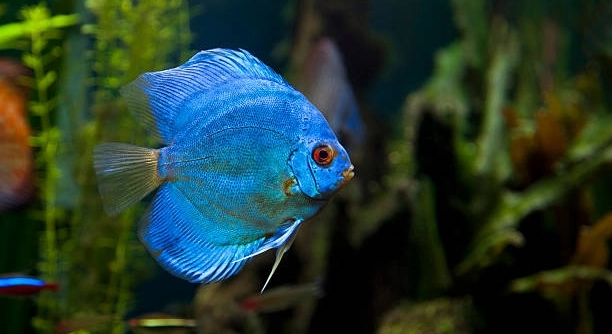
Is your discus spending most of its time tucked away in a corner or hiding behind plants in the tank?
Discus fish often hide due to stress, poor water quality, bullying from tank mates, or lack of proper tank conditions. Identifying and resolving the root cause is essential for improving their overall health and behavior.
Understanding the reasons behind this behavior can help you create a more comfortable space where your discus feels safe, relaxed, and more likely to thrive in its environment.
Common Reasons Your Discus Is Always Hiding
Discus fish are sensitive and react quickly to changes in their surroundings. One of the most common reasons they hide is poor water quality. Ammonia spikes, low oxygen, or an unstable pH can make them uncomfortable. Loud noises, bright lights, or sudden movement near the tank may also trigger hiding. Discus thrive in calm, clean environments with consistent temperatures around 82–86°F. Tank mates that nip or chase them can add stress, pushing them to hide more often. Even something as simple as not enough plants or décor can make them feel unsafe. A lack of cover may cause them to feel exposed and vulnerable, which leads to them staying in one place. When discus feel threatened or stressed, hiding becomes a natural reaction. Observing when and where they hide helps in understanding what may be bothering them. This behavior is often a sign that something in the tank needs to be adjusted.
Even slight stress can cause discus to isolate, making it harder to spot changes in their health or appetite.
It’s important to check your tank regularly. Test the water at least once a week, keep lighting soft, and reduce loud noises around the tank. Avoid sudden changes in temperature, and don’t add new fish without careful planning. Consider using a quarantine tank for new arrivals before introducing them to your main tank. If your discus is being bullied, rearrange tank decorations to break up territories and reduce aggression. Having a planted aquarium with hiding spots helps them feel secure. Sometimes, simply turning down the light or covering one side of the tank can calm them. Being gentle during feedings and maintaining a routine will also help them feel more at ease. Small efforts like these can make a big difference in how comfortable your discus feels in their space.
How to Encourage Your Discus to Be More Active
Discus are more likely to come out when they feel secure in their surroundings and trust their environment.
If your discus is always hiding, start by slowly improving their surroundings. Dim lighting or using floating plants can reduce brightness and create a calmer space. Offer foods they enjoy like bloodworms or high-quality flakes at the same time each day to build trust. Make sure the tank has at least six discus—these fish feel safer in groups. Keep tank mates peaceful and avoid fast or aggressive species. Add background covers or side panels to reduce outside movement that may startle them. A calm tank atmosphere helps discus feel confident enough to explore. Routine is key. Feed, clean, and observe your tank on a regular schedule. If your fish sees you consistently, they’re more likely to recognize you as safe. Over time, these small changes can lead to your discus feeling secure and more willing to swim in the open.
Environmental Changes That May Trigger Hiding
Even small changes in the tank can cause discus to retreat. Moving decorations, changing lighting, or adding new plants can disrupt their sense of safety. They need time to adjust to anything unfamiliar in their space.
If you recently changed something in your tank, it might be why your discus is hiding more than usual. Discus are very sensitive and notice even the smallest shift in their environment. Rearranging plants, switching out gravel, or adding a new filter can be unsettling to them. To help reduce stress, make changes slowly and in stages. Avoid doing too many things at once. After each change, give them a few days to adjust. Try to keep their surroundings as consistent as possible, especially when they are still settling in. Stability helps them feel comfortable enough to return to their usual behavior and come out more often.
Even routine maintenance can be stressful for discus. A large water change, deep cleaning, or loud vacuuming can make them feel unsafe. Try to spread out your cleaning tasks rather than doing everything in one day. For example, clean the filter one week and vacuum the gravel the next. This makes the environment feel less disturbed. If you notice your discus hiding after a water change, check the temperature and pH to make sure they are still within the correct range. Using aged or conditioned water can help prevent sudden shifts that may bother them. The less disruptive your care routine is, the more stable their behavior will be.
When Hiding Becomes a Health Concern
Hiding becomes more serious when it’s paired with other signs like not eating, clamped fins, or rapid breathing. These could be symptoms of an illness or parasite and need attention.
If your discus is hiding and also refusing food, staying near the bottom, or showing signs like pale colors or flicking against objects, it may be more than stress. Illnesses such as internal parasites or gill flukes are common in discus and can go unnoticed at first. It’s important to observe their daily behavior and check for any patterns. If you suspect something is wrong, isolate the fish in a separate tank for closer observation and treatment. Testing the water again is also important, as poor conditions can weaken their immune system. Acting early can prevent the issue from spreading and protect your entire tank. Don’t hesitate to contact a vet with aquatic experience if symptoms worsen.
Feeding Habits That May Affect Behavior
Discus that aren’t eating enough or don’t like the food offered may become withdrawn. Inconsistent feeding times or poor-quality food can lead to stress, making them more likely to stay hidden.
Feeding in a loud or high-traffic area can also disturb discus. They prefer quiet, calm surroundings during mealtime.
Choosing the Right Tank Mates
Discus are peaceful and do best with calm tank mates. Fish that chase, nip, or move quickly can make them nervous. Good options include cardinal tetras, rummy nose tetras, and peaceful dwarf cichlids. Avoid aggressive species or fish that compete aggressively for food. It helps to watch how new additions behave in the first few days. If a fish shows signs of aggression, consider moving it to another tank. When discus feel safe around their tank mates, they are more likely to stay active and visible throughout the day.
Lighting and Tank Setup Tips
Soft lighting and plenty of hiding spots help discus feel secure. Floating plants, driftwood, and tall plants provide cover without making them feel trapped.
FAQ
Why is my discus hiding all of a sudden?
A sudden change in behavior is often a sign of stress. It could be caused by a recent water change, new tank mates, loud noise near the tank, or a change in temperature or pH. Discus fish are sensitive to small shifts in their environment. Even moving the tank decorations can make them feel unsafe. If nothing has changed in the tank, check for signs of illness or bullying. Watching their body language and other behavior can help you figure out what’s wrong.
Is it normal for new discus to hide?
Yes, it’s completely normal. Discus fish need time to settle into a new tank. They may hide for several days or even a week as they adjust. During this time, it’s important to keep things calm and quiet. Avoid putting your hands in the tank too often or making big changes. Give them plenty of cover using plants or driftwood. Keep lighting soft and avoid feeding too much until they seem comfortable. With time, they usually begin to swim more openly.
Can poor water conditions make discus hide?
Yes, water quality has a major effect on discus behavior. High ammonia, nitrites, or an unstable pH can make them feel sick or stressed. Always test your water weekly. Keep ammonia and nitrites at zero, and aim for a pH between 6.0 and 7.0. The temperature should stay steady between 82°F and 86°F. Use a good filter and don’t skip water changes. If the water doesn’t feel right to the fish, they’ll retreat and hide more often. Clean water helps them feel safe and active.
What if my discus is hiding and not eating?
When a discus hides and refuses food, it’s often a warning sign. First, test your water and check for stress from tank mates. Look for other symptoms like faded color, clamped fins, or flicking against tank objects. If these signs are present, it could be illness. You may need to move the discus to a separate tank for observation. Try offering their favorite foods like frozen bloodworms to encourage eating. If nothing helps, consult a fish vet or look into possible parasite treatments.
Should I keep the tank lights on or off when they hide?
If your discus is hiding, dim lighting is better. Bright lights can be overwhelming, especially if there aren’t enough hiding places. You can use floating plants or adjust your light schedule to mimic natural daylight. Lights should be on for about 8–10 hours per day. If your tank is in a high-traffic area, keeping lights softer during the day can help the fish feel less exposed. Avoid turning lights on and off suddenly, as that can startle them.
How long should I wait before being concerned?
If your discus has been hiding for more than a few days without showing signs of improvement, it’s worth looking into the cause. If the fish is still eating and swimming a little, it may just need more time to settle. But if it shows signs of stress or illness and continues hiding, you should take action. Don’t wait too long, especially if the behavior changes suddenly. Discus fish tend to hide when something is wrong, so early action is always best.
Can one stressed discus affect the others?
Yes, discus fish are social and often mirror each other’s behavior. If one fish is hiding constantly due to stress or illness, others may become anxious and hide too. It’s important to find out what’s bothering the stressed fish before the rest of the group starts acting the same way. Keeping a peaceful, clean, and consistent tank helps the whole group stay healthy and active.
Do I need to medicate if they hide a lot?
Not always. Hiding alone doesn’t mean your discus is sick. Try adjusting the tank environment first—check water quality, observe their behavior, and make sure they’re not being bullied. Only consider medication if there are clear symptoms of illness. Treating without cause can harm your fish or upset the tank balance. Always research treatments and consider separating the sick fish before starting medication.
Final Thoughts
Discus fish are beautiful but sensitive creatures. When they hide often, it usually means something in their environment is making them feel unsafe or uncomfortable. This could be due to stress, water quality, tank mates, lighting, or even recent changes in the tank. While hiding for short periods is normal, especially for new fish or after big changes, it should not become a constant habit. Keeping a close eye on their behavior, how often they eat, and how they interact with other fish can help you notice small issues before they turn into bigger problems. These small signs are often the first clue that something may be wrong in the tank.
Providing a calm and stable environment is one of the best ways to help discus feel secure. Clean water, the right temperature, a peaceful group of tank mates, and proper lighting all make a big difference. Simple changes like adding more hiding spots, lowering the light level, or feeding on a schedule can reduce stress. When discus feel safe, they are more likely to swim around, eat well, and show off their natural colors. Always make changes slowly, and try not to disturb the tank too often. Discus do best in tanks where things stay the same from day to day.
If your discus is hiding often, don’t feel discouraged. It doesn’t always mean something is seriously wrong. With patience and regular care, you can often help your fish become more active and comfortable. Watch them closely and give them time to adjust when needed. Every tank is a little different, so learning what your discus prefers will take some time. But with small adjustments and a gentle approach, you can create a peaceful home where your discus will feel safe enough to come out and enjoy their surroundings. Being observant and consistent is the key to helping your discus thrive.

Hello,
If you enjoy the content that we create, please consider saying a "Thank You!" by leaving a tip.
Every little bit helps us continue crafting quality advice that supports the health, happiness, and well-being of pets around the world, for pets of all shapes, sizes, and species.
We really appreciate the kindness and support that you show us!