
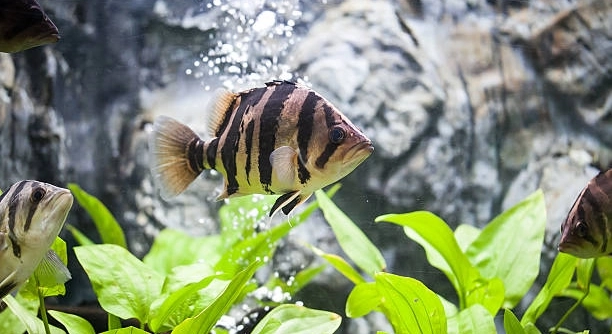
Are your tiger barbs looking unusually swollen or bloated lately? This common issue can be worrying for fish owners who want their pets to stay healthy and happy. Recognizing the signs early is important for proper care.
Bloated appearance in tiger barbs is often caused by digestive issues, internal infections, or swim bladder problems. Immediate action includes checking water quality, adjusting diet, and possibly seeking veterinary advice to prevent further health complications.
Understanding the causes and remedies will help you manage your fish’s condition effectively and maintain a balanced aquarium environment.
Common Causes of Bloated Tiger Barbs
Tiger barbs may look bloated due to a few typical reasons. Overfeeding is one of the most frequent causes. When they get too much food, especially foods that are not easily digestible, their stomachs can swell up. Another reason is constipation, which can happen if their diet lacks enough fiber or if they eat too many dry flakes. Sometimes, poor water quality leads to stress and digestive problems, making the swelling worse. Internal infections or parasites also cause bloating, but these cases often come with other symptoms like lethargy or changes in behavior. Lastly, swim bladder disease can make fish look puffed up and affect their swimming ability. It’s important to observe your fish carefully and check their environment to figure out what might be causing the problem.
Keeping an eye on how much and what type of food your tiger barbs eat can prevent bloating. Regular water testing also plays a key role in keeping them healthy.
Addressing the issue early means you can avoid serious complications. Improving tank conditions and changing diet often reduce bloating significantly. If symptoms persist, a vet’s guidance might be needed to treat infections or diseases properly.
How to Improve Your Tiger Barbs’ Health
Start by improving water quality through regular cleaning and testing. High ammonia or nitrite levels make fish sick and stressed. Feeding smaller amounts of high-fiber or vegetable-based foods like peas can help digestion. Avoid overfeeding by offering only what the fish can finish in a few minutes. Observing your fish’s behavior daily helps catch problems before they get worse. If the bloating does not improve after these changes, consider consulting an aquatic vet for treatment options. Sometimes medications are needed to clear infections or parasites that cause swelling. Maintaining a consistent routine with water changes and feeding will support your tiger barbs’ long-term health and reduce the chance of bloating recurring.
Monitoring Your Tiger Barbs Closely
Watch your tiger barbs daily for changes in behavior or appearance. Early detection of bloating can prevent serious health issues. Notice if they swim awkwardly or avoid food, which may signal swim bladder problems or illness.
Regular observation helps identify underlying causes quickly. Keep a log of any symptoms, changes in appetite, or unusual swimming patterns. This information is useful if you need to consult a vet later. Monitoring water parameters such as temperature, pH, ammonia, nitrite, and nitrate levels ensures the tank environment stays stable. Proper tank maintenance combined with keen observation keeps your fish healthy and less prone to bloating or other stress-related issues.
By staying attentive to your fish’s habits, you can intervene early and provide the right care. This prevents bloating from worsening and supports their overall wellbeing.
Feeding Adjustments to Reduce Bloating
Switch to a diet that promotes digestion and reduces bloating risks. Feeding your tiger barbs peas can help relieve constipation. Remove the pea skin, cook it lightly, and offer a small piece occasionally. Avoid overfeeding and give smaller portions more frequently instead of large meals.
Limit foods high in fillers or low-quality flakes that can be hard to digest. Including fresh vegetables or specially formulated sinking pellets designed for carnivorous fish can improve digestion. Make sure to soak dry foods briefly before feeding to soften them. Adjusting feeding routines and diet quality directly influences your fish’s digestive health, which helps reduce bloating and keeps your tiger barbs more energetic and healthy.
Maintaining Clean Water Conditions
Clean water is essential to prevent bloating in tiger barbs. Regular water changes remove harmful toxins that cause stress and illness. Test water parameters weekly to ensure a stable environment.
Using a good filtration system helps keep the tank clean and healthy. Avoid overcrowding to reduce waste buildup. Proper tank maintenance supports your fish’s digestion and overall wellbeing.
Identifying Swim Bladder Issues
Swim bladder problems cause bloating and make it hard for fish to swim properly. This condition often results from poor diet or infection. Symptoms include floating upside down or difficulty maintaining balance.
Treat swim bladder disease by adjusting diet, improving water quality, and sometimes using medications prescribed by a vet. Early intervention improves recovery chances significantly.
When to Seek Veterinary Help
If bloating continues despite changes in diet and water, professional care may be necessary. Persistent swelling, lethargy, or unusual behavior require expert diagnosis.
Veterinarians can provide treatments for infections, parasites, or organ problems. Prompt action can save your tiger barbs’ life and prevent long-term damage.
What causes bloating in tiger barbs?
Bloating in tiger barbs usually happens due to overfeeding, constipation, or digestive issues. When fish eat too much or consume food that is hard to digest, their stomachs swell. Poor water quality can also stress fish, leading to health problems that cause bloating. Infections or parasites sometimes cause swelling, and swim bladder disease can make their bodies look puffed up and affect swimming.
How can I tell if my tiger barb has swim bladder problems?
Swim bladder problems affect how your fish swims and maintains balance. If your tiger barb floats upside down, struggles to stay upright, or swims in circles, these are signs of swim bladder issues. The fish may also appear bloated. Monitoring these behaviors can help you catch the problem early.
Can diet changes help reduce bloating?
Yes. Feeding smaller portions more frequently and including foods like cooked peas can ease digestion and reduce constipation. Avoid dry flakes with fillers and soak pellets before feeding. Fresh vegetables or sinking pellets designed for carnivorous fish help maintain a healthy digestive system, which lowers the risk of bloating.
How often should I clean my tank to prevent bloating?
Regular cleaning is crucial. Performing a 20-30% water change weekly keeps ammonia and nitrite levels low. These toxins cause stress and digestive problems. Cleaning the substrate and checking filters helps maintain good water quality, which supports your tiger barbs’ health and reduces bloating chances.
Is overfeeding the main cause of bloating?
Overfeeding is a common cause but not the only one. Feeding too much food can overwhelm their digestive system, causing swelling. However, infections, parasites, poor water conditions, or swim bladder issues also contribute. Balanced feeding combined with tank care is essential to prevent bloating.
What should I do if my tiger barb looks bloated but still eats normally?
If the fish is eating but looks swollen, start by improving water quality and feeding small amounts of easy-to-digest foods. Monitor their behavior closely for other symptoms. If bloating persists despite these changes, consult a vet for possible infections or internal issues.
Are medications always necessary for bloating?
Not always. Many cases improve with diet adjustments and better tank care. However, if bloating results from infections, parasites, or swim bladder disease, medications may be required. A vet can recommend the right treatment after diagnosing the problem.
Can stress cause bloating in tiger barbs?
Yes. Stress from poor water quality, overcrowding, or aggressive tank mates weakens the fish’s immune system. This can lead to digestive problems and swelling. Keeping the tank environment stable and peaceful reduces stress and lowers bloating risk.
How can I prevent bloating in my tiger barbs?
Feed a balanced diet with appropriate portions, keep the tank clean with regular water changes, and monitor water parameters closely. Avoid overcrowding and maintain a calm environment. Early detection of changes in behavior or appearance helps address problems before they get worse.
Is bloating dangerous for tiger barbs?
Bloating can be serious if left untreated. It may cause discomfort, affect swimming, or signal infections. Early care often resolves the issue, but prolonged bloating can lead to severe health problems or death. Taking quick action is important to protect your fish.
Can bloating happen suddenly or develop over time?
Bloating can develop gradually due to diet or water quality issues, or it can appear suddenly if there is an infection or swim bladder disease. Regular monitoring helps catch both slow and fast-developing problems early.
What foods should I avoid to prevent bloating?
Avoid feeding large amounts of dry flakes with fillers, hard pellets, or foods low in fiber. These can be difficult to digest and cause constipation. Instead, offer soaked pellets, fresh vegetables, and small portions of easily digestible foods like peas.
How long does it take for a bloated tiger barb to recover?
Recovery time varies depending on the cause. Dietary and water quality improvements may show results within a few days to a week. Infections or diseases may require longer treatment and vet care. Patience and consistent care help ensure full recovery.
Is it safe to isolate a bloated tiger barb?
Yes, isolating a bloated fish in a quarantine tank can reduce stress and prevent spreading infections. It also allows closer monitoring and easier treatment if needed. Use clean, warm water with good filtration and gentle aeration in quarantine.
Can tank mates cause bloating in tiger barbs?
Aggressive or bullying tank mates can stress tiger barbs, leading to poor eating habits and digestive issues that cause bloating. Choose compatible fish to maintain a calm environment, which supports good health and digestion.
How important is water temperature in preventing bloating?
Water temperature affects metabolism and digestion. If it’s too low or too high, your fish may have trouble digesting food properly, increasing bloating risk. Keep the temperature stable within the recommended range for tiger barbs (around 74-78°F or 23-26°C).
Taking care of bloated tiger barbs requires attention to detail and patience. It’s important to understand that bloating often signals an underlying problem, such as diet, water quality, or illness. By carefully observing your fish and their environment, you can catch issues early before they become severe. Regular tank maintenance, including water changes and monitoring water parameters, plays a key role in preventing problems. Keeping the tank clean and stable helps your fish stay healthy and less prone to digestive troubles or stress that lead to bloating.
Feeding habits greatly influence your tiger barbs’ health. Overfeeding or giving foods that are hard to digest can cause constipation and swelling. Offering smaller meals more frequently and including fiber-rich foods like cooked peas can improve digestion and reduce bloating. Avoid feeding too many dry flakes or low-quality foods. Making simple adjustments to their diet can make a big difference in how your fish look and feel. Sometimes, a small change in feeding routines is all that is needed to bring your tiger barbs back to normal.
If bloating continues despite your best efforts with diet and water care, it may be time to seek professional help. Internal infections, parasites, or swim bladder problems require veterinary diagnosis and treatment. Do not ignore persistent symptoms or drastic changes in behavior. Timely intervention increases the chance of recovery and reduces the risk of long-term damage. Overall, managing bloated tiger barbs takes a combination of good aquarium practices, proper feeding, and attentive care. With these steps, you can help your fish live healthy, happy lives.

Hello,
If you enjoy the content that we create, please consider saying a "Thank You!" by leaving a tip.
Every little bit helps us continue crafting quality advice that supports the health, happiness, and well-being of pets around the world, for pets of all shapes, sizes, and species.
We really appreciate the kindness and support that you show us!