
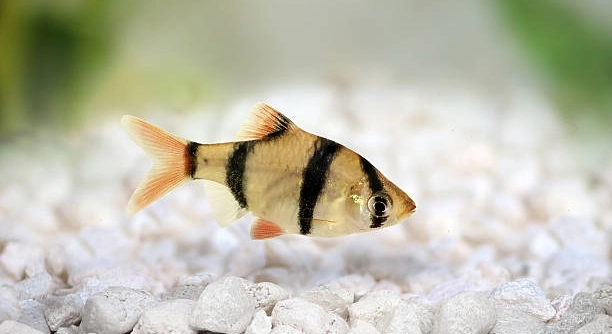
Are your tiger barbs swimming too fast and causing stress in your aquarium? These lively fish are known for their energetic behavior, which can sometimes become overwhelming for other tank inhabitants. Managing their hyperactivity is important for a balanced environment.
The best approach to calm overly active tiger barbs involves adjusting tank conditions, such as providing ample space, adding hiding spots, maintaining stable water parameters, and avoiding overfeeding. These measures help reduce stress and promote more balanced activity levels.
Learning simple adjustments can improve your aquarium’s harmony and keep your tiger barbs healthier and calmer over time.
Understanding Tiger Barb Hyperactivity
Tiger barbs are naturally active fish, often swimming quickly and exploring their tank. This behavior is normal but can become excessive if the environment is not suitable. Factors like tank size, water quality, and social interactions influence how hyperactive they appear. A small tank limits their space, causing stress and increased activity. Poor water conditions also add to their discomfort. Additionally, tiger barbs are schooling fish, so keeping them alone or in too small a group can lead to erratic swimming and aggression. By improving their environment and social setup, their hyperactivity usually decreases. Proper care and attention to these details create a calmer tank atmosphere, making your aquarium more peaceful for all fish.
Regular water changes and tank maintenance are essential to keep tiger barbs comfortable and less hyperactive.
Making small changes like upgrading the tank size or adding plants helps to reduce stress. Observing how your fish behave after these adjustments shows if the changes are effective. Sometimes adding more tiger barbs improves their social behavior, which calms them down. Introducing hiding spots lets them retreat when needed, lowering their activity. Feeding a balanced diet without overfeeding prevents excess energy bursts. Monitoring water temperature and pH also plays a role, as unstable conditions make fish restless. Over time, these actions help keep tiger barbs more relaxed and healthier in their environment.
Tank Setup for Calmer Tiger Barbs
Adjusting the tank setup can directly impact your tiger barbs’ behavior.
Start with a tank of at least 20 gallons to give them enough space to swim freely. Adding live plants or decorations creates hiding places and breaks line of sight, reducing aggression and restlessness. These features encourage natural behavior and give fish areas to rest. Avoid overcrowding by maintaining a proper number of tiger barbs, ideally six or more, to ensure stable schooling behavior. Proper filtration and regular water testing maintain water quality, which affects fish mood and activity. Lighting should mimic natural day and night cycles, helping regulate their behavior. By paying attention to these elements, you create an environment where tiger barbs are less likely to become hyperactive and more likely to thrive calmly.
Managing Feeding to Reduce Hyperactivity
Overfeeding tiger barbs can increase their energy levels and cause restlessness. Feeding smaller portions multiple times a day helps control their activity.
Feeding too much food not only causes hyperactivity but can also pollute the tank, leading to poor water quality. Providing a balanced diet with high-quality flakes, pellets, and occasional live or frozen foods keeps them healthy and less hyperactive. Avoid feeding just before lights go out, as this can disrupt their natural rhythm.
Consistent feeding routines create stability in their behavior. Offering a variety of foods ensures they get proper nutrition, which affects energy levels. Watching how much they eat and adjusting portions prevents leftover food and excessive energy bursts, helping keep their activity manageable.
Using Tank Mates to Calm Tiger Barbs
Choosing the right tank mates can influence tiger barbs’ behavior. Avoid slow, long-finned fish that may be nipped or stressed by their fast swimming and occasional nipping.
Good tank mates include other active, similarly sized fish that tolerate the tiger barbs’ energy, such as danios, barbs, or some tetras. These companions help distribute attention and reduce aggression, which lowers overall hyperactivity. Mixing compatible species creates a dynamic but balanced tank.
Introducing a proper number of tiger barbs (six or more) also prevents aggression within their group. Ensuring tank mates thrive alongside tiger barbs improves the whole aquarium’s harmony and reduces frantic swimming, leading to a calmer environment for everyone.
Monitoring Water Quality
Maintaining clean water is vital to reduce tiger barb hyperactivity. Poor water quality causes stress, which can increase their frantic movements.
Regular water changes, testing for ammonia, nitrite, nitrate, and maintaining stable pH levels keep the environment comfortable. A healthy tank helps keep fish calm and active at normal levels.
Providing Environmental Enrichment
Adding plants, rocks, and driftwood offers hiding spots and breaks up the swimming space. These features help tiger barbs feel secure and reduce stress-induced hyperactivity.
Varied tank decorations encourage natural exploration and give fish places to rest. This enrichment leads to calmer, more balanced behavior.
Adjusting Lighting
Bright or constant lighting can overstimulate tiger barbs, increasing their activity.
Using a timer to create a natural day-night cycle helps regulate their behavior and reduce excessive energy.
FAQ
Why are my tiger barbs so hyperactive all the time?
Tiger barbs are naturally energetic fish, but constant hyperactivity often signals stress or poor tank conditions. Factors such as a small tank, overcrowding, unstable water parameters, or lack of hiding spots can increase their frantic behavior. Adjusting these aspects usually helps calm them down.
Can keeping fewer tiger barbs cause hyperactivity?
Yes. Tiger barbs are schooling fish and feel safer in groups of six or more. When kept alone or in small numbers, they become nervous and hyperactive due to lack of social structure. Increasing their group size encourages more natural, calm behavior.
How does tank size affect their activity levels?
A small tank limits swimming space, causing stress and excess energy in tiger barbs. Providing at least a 20-gallon tank gives them room to explore and reduces restlessness. Larger tanks with varied decor also promote natural behavior and lower hyperactivity.
Is overfeeding related to hyperactivity in tiger barbs?
Yes, overfeeding supplies extra energy that may cause bursts of frantic swimming. It also pollutes the water, increasing stress. Feeding small portions two to three times daily with balanced food helps manage energy levels and maintain water quality.
What types of foods help keep tiger barbs calmer?
High-quality flakes or pellets designed for tropical fish, supplemented with occasional live or frozen foods, provide balanced nutrition. Avoid feeding sugary or fatty treats that can cause hyperactivity. Consistent feeding schedules also support stable behavior.
Do tank mates influence tiger barb activity?
Yes. Compatible tank mates that match tiger barbs’ energy level, like danios or other barbs, help distribute attention and reduce stress. Avoid slow or long-finned fish, which may be harassed, increasing overall activity and aggression.
How often should I change the water to keep tiger barbs calm?
Weekly water changes of 20-30% are recommended to maintain water quality. This removes toxins and reduces stress, which helps calm tiger barbs. Testing water parameters regularly ensures conditions remain stable and healthy.
Will adding plants reduce hyperactivity?
Yes. Live or artificial plants create hiding spots and break lines of sight. This helps tiger barbs feel secure and lowers stress-induced hyperactivity. Plants also improve water quality by absorbing nitrates, contributing to a healthier environment.
Can lighting affect tiger barb behavior?
Constant or overly bright lighting can overstimulate tiger barbs, causing them to become restless. Using a timer to simulate natural day and night cycles helps regulate their activity and promote calm behavior.
What should I do if tiger barbs are still too hyper after changes?
Review tank conditions, including group size, water quality, tank size, and feeding routine. Sometimes small adjustments need time to take effect. If hyperactivity persists, consult a knowledgeable aquarium specialist to check for health issues or hidden stressors.
Are there medications or treatments to calm hyperactive tiger barbs?
Generally, no medications are recommended solely to reduce activity. Calming hyperactivity usually involves improving environment and care. Using chemicals without cause can harm fish. Focus on stable conditions and proper husbandry for best results.
Can temperature changes affect their energy levels?
Yes. Higher temperatures speed up metabolism, increasing activity, while cooler temperatures slow them down. Keep tank temperature stable between 74-79°F (23-26°C) to maintain balanced energy levels and reduce unnecessary hyperactivity.
Is it normal for tiger barbs to nip other fish?
Tiger barbs can be fin nippers, especially if stressed or bored. Proper tank size, enough schooling companions, and environmental enrichment help reduce nipping behavior. Avoid pairing with slow, long-finned species that are more likely to be targeted.
How does stress impact tiger barb behavior?
Stress from poor water quality, overcrowding, or bullying leads to constant darting and frantic swimming. Reducing stress through clean water, proper social groups, and hiding places helps restore calm behavior and promotes fish health.
Can changing the diet help if tiger barbs are too hyper?
Yes. Switching to a more balanced diet with fewer high-energy treats can lower excessive activity. Feeding smaller amounts throughout the day helps regulate energy and prevents sudden bursts caused by hunger or overfeeding.
Should I rearrange the tank to calm tiger barbs?
Rearranging decorations occasionally can stimulate natural exploration, but frequent changes may cause stress. Make adjustments slowly and keep some familiar hiding spots to help fish feel secure and reduce hyperactivity.
When tiger barbs become too hyperactive, it often points to issues within their environment or care routine. These fish naturally have a lot of energy, but their activity can be managed by creating a suitable habitat. Ensuring they have enough space, stable water conditions, and proper group size helps lower their restlessness. Providing hiding spots and tank decorations gives them places to feel safe, which reduces stress and frantic swimming. Small changes like feeding appropriate portions and choosing compatible tank mates also play an important role. All these factors work together to keep tiger barbs calmer and healthier.
Maintaining good water quality is one of the most important steps in controlling tiger barb hyperactivity. Regular water changes and testing prevent harmful toxins from building up. Poor water conditions cause stress, which often leads to constant fast swimming and erratic behavior. Keeping the tank clean and stable makes the fish feel more comfortable and less likely to become overactive. Lighting also affects their behavior, so using a timer to mimic natural day and night cycles helps regulate their energy. When these care elements are kept in balance, tiger barbs usually show calmer, more natural behavior.
Patience is key when trying to reduce hyperactivity in tiger barbs. Changes in the tank setup or feeding habits might not produce immediate results but will improve their behavior over time. It’s important to observe the fish regularly and make adjustments as needed. If problems persist despite good care, seeking advice from experienced aquarists or professionals can be helpful. Overall, understanding tiger barbs’ natural needs and providing a stable, enriched environment is the best way to manage their energy and enjoy a peaceful aquarium.

Hello,
If you enjoy the content that we create, please consider saying a "Thank You!" by leaving a tip.
Every little bit helps us continue crafting quality advice that supports the health, happiness, and well-being of pets around the world, for pets of all shapes, sizes, and species.
We really appreciate the kindness and support that you show us!