
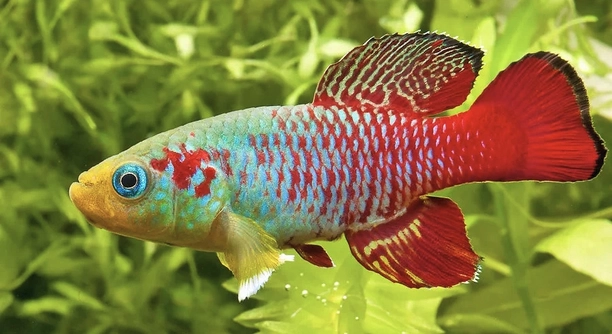
Killi fry are small fish that sometimes stick to the glass in aquariums. This behavior can be puzzling for fish keepers who want their fry to thrive. Understanding why this happens is helpful for proper care.
Killi fry cling to glass mainly due to stress, water quality issues, or a need for rest. Ensuring clean water, stable conditions, and gentle handling reduces this behavior and supports healthy development.
Learning how to manage these factors will improve your fry’s wellbeing and keep your aquarium environment balanced.
Reasons Killi Fry Cling to Glass
Killi fry often stick to the glass because they feel stressed or uncomfortable. Stress can come from sudden changes in water temperature or poor water quality. If the water has too much ammonia, nitrites, or nitrates, fry may try to avoid swimming freely. Another reason is that the fry might be resting. Young fish sometimes pause on the glass to conserve energy. Lack of hiding spots can also make fry cling to the tank walls. If the tank is too bright or noisy, they might look for a safe spot on the glass. Sometimes, they simply explore their environment and use the glass as a surface to push against. Observing their behavior closely helps identify what causes this and how to improve their comfort.
Maintaining stable water conditions and providing hiding places can reduce glass-clinging behavior in killifish fry.
Providing soft plants or moss in the tank helps fry feel safer. Hiding spots decrease stress and encourage natural movement, keeping fry active and healthy.
Improving Water Quality for Healthy Fry
Keeping the water clean is essential for killi fry to grow well. Regular water changes help remove harmful chemicals like ammonia and nitrites, which build up quickly in small tanks. Using a gentle filter that does not create strong currents prevents the fry from being pushed around. Test the water regularly for pH and hardness, as killifish prefer stable conditions. Avoid overcrowding the tank, as this raises waste levels and increases stress. Feeding small amounts of food multiple times a day keeps the water clearer because leftover food breaks down and pollutes the water. If you notice fry clinging to the glass, check the water parameters first. A healthy environment encourages normal swimming and growth, reducing the need for fry to cling to surfaces.
Water quality directly affects fry behavior, so good maintenance practices are key to their well-being.
Creating a Comfortable Environment
Fry need a calm, secure environment to thrive. Bright lights and loud noises can stress them, causing them to cling to the glass. Soft lighting and quiet surroundings help fry feel safe and relaxed.
Adding plants like Java moss or floating plants creates natural hiding spots. These give fry places to rest without feeling exposed. The plants also help maintain water quality by absorbing nitrates and providing oxygen. Arranging decorations carefully prevents fry from being trapped or overwhelmed. Keeping the tank lid secure reduces sudden drafts or vibrations. A gentle current encourages healthy swimming without pushing the fry against surfaces. All these small changes improve the fry’s comfort, leading to less glass-clinging behavior and more natural activity.
Creating a gentle, secure setting allows killifish fry to develop normally. Comfort directly influences their behavior and health.
Handling and Feeding Tips
Handle fry with care to avoid stressing them. Avoid tapping on the glass or sudden movements around the tank. Use a soft net or container when moving fry to prevent injury. Consistent feeding times help establish a routine and reduce anxiety.
Feed fry small amounts of finely crushed food or specialized fry food several times a day. Overfeeding causes leftover food to decay, which harms water quality and stresses fry. Live foods like baby brine shrimp or micro worms are excellent for growth. Rotate food types to provide balanced nutrition. Monitor feeding closely and remove uneaten food quickly. Healthy feeding habits support fry energy levels and reduce the need to cling to the glass. Regular observation during feeding helps spot any early signs of illness or stress. Proper care in feeding and handling contributes greatly to fry wellbeing and development.
Monitoring Water Temperature
Stable water temperature is important for killifish fry health. Sudden changes can stress them, causing unusual behavior like clinging to glass. Keep the temperature steady within the recommended range for your specific killi species.
Use a reliable heater and thermometer to maintain constant warmth. Avoid placing the tank near windows or vents where temperature fluctuates frequently.
Identifying Signs of Illness
Clinging to glass can sometimes indicate illness. Look for other signs like faded color, slow movement, or labored breathing. Early detection helps prevent serious health problems.
If illness is suspected, isolate affected fry and improve water quality immediately. Consult care guides or experts for treatment options to support recovery.
Tank Size and Space
A cramped tank increases stress in fry. Provide enough space for free swimming to promote natural behavior and reduce glass-clinging. Adequate space supports growth and health.
Using Tank Covers
Tank covers reduce vibrations and sudden disturbances. This helps keep fry calm and less likely to cling to glass. Use covers designed for aquariums to maintain a stable environment.
FAQ
Why do killi fry stick to the glass so often?
Killi fry cling to the glass mainly when they feel stressed or uncomfortable. Stress can come from poor water quality, sudden temperature changes, or lack of hiding spots. The glass may also serve as a resting place when they are tired or conserving energy. If the tank is too bright or noisy, fry might stick to the glass to feel safer. It’s a behavior that often signals something in their environment needs adjusting.
How can I tell if the water quality is affecting my fry?
Poor water quality shows through symptoms like fry sticking to the glass, sluggish swimming, or gasping at the surface. Testing for ammonia, nitrites, and nitrates regularly can help catch problems early. High ammonia and nitrite levels are harmful and require immediate water changes. Keeping the tank clean and filtering gently supports healthier water conditions.
What is the ideal temperature range for killifish fry?
Most killifish fry do best in temperatures between 72°F and 78°F (22°C to 26°C). Sudden drops or spikes in temperature stress them, which can cause unusual behaviors like glass-clinging. Using a reliable heater and thermometer helps keep the water steady. Avoid placing the tank near drafts or heat sources that cause fluctuations.
Can lighting affect fry behavior?
Yes, bright or harsh lighting can stress fry and cause them to cling to the glass or hide excessively. Soft, diffused lighting creates a more comfortable environment. Adding floating plants can reduce light intensity and offer shelter. A natural day-night cycle also helps regulate their activity and rest periods.
What kind of hiding spots are best for killifish fry?
Soft plants like Java moss or fine-leaved aquatic plants provide good hiding spots. Floating plants or small decorations also work well. These places let fry rest and feel safe, reducing stress and glass-clinging. Avoid sharp or rough decorations that might injure the tiny fry.
How often should I feed killifish fry?
Feed small amounts several times a day to keep fry healthy. Overfeeding causes leftover food to rot and pollute the water, stressing the fry. Live foods like baby brine shrimp or micro worms are excellent for growth. Rotating between food types ensures balanced nutrition.
Is it normal for fry to rest on the glass sometimes?
Yes, fry do sometimes rest on the glass to conserve energy, especially when they are very young or tired. This behavior alone isn’t always a problem if the water conditions are good and they swim actively at other times.
What should I do if fry start to show signs of illness?
Isolate the sick fry immediately to prevent spreading. Check water quality and make a partial water change. Research appropriate treatments based on symptoms. Keeping the environment clean and stress-free aids recovery.
Does tank size impact fry behavior?
A small tank with too many fry can cause overcrowding, leading to stress and glass-clinging. Provide enough space for free swimming and growth. Overcrowded conditions increase waste buildup and reduce oxygen levels, both harmful to fry.
Can tank covers help reduce glass-clinging?
Tank covers help by reducing sudden disturbances, vibrations, and drafts. These factors stress fry and cause them to cling to surfaces. Using a proper cover creates a more stable and calm environment.
Final thoughts on managing killifish fry behavior focus on creating a stable and comfortable environment. Fry often cling to glass when they feel stressed or uneasy, so addressing the causes behind this behavior is important. Ensuring water quality is clean and consistent helps reduce stress significantly. Regular testing and gentle filtration keep harmful chemicals like ammonia and nitrites at safe levels. Stability in temperature is also essential. Sudden changes can disturb fry and make them cling to surfaces for comfort. Using a reliable heater and avoiding places with drafts or direct sunlight helps maintain steady water conditions.
Providing hiding spots and a calm setting is another key point. Fry need places to rest and feel safe. Adding soft plants such as Java moss or floating greenery offers shelter and comfort. These natural areas also help improve water quality by absorbing waste products and oxygenating the tank. Bright lights or loud noises can increase stress, so softer lighting and quiet surroundings promote better behavior. Arranging the tank with thoughtful decoration ensures fry are not trapped or overwhelmed, allowing them to swim freely and grow healthily. Reducing sudden disturbances with tank covers or careful handling further supports fry wellbeing.
Feeding and general care play an important role too. Fry benefit from small, frequent feedings of appropriate food like live baby brine shrimp or specially prepared fry food. Overfeeding should be avoided because leftover food pollutes the water and causes stress. Monitoring feeding closely helps maintain water quality and fry health. Observing fry behavior regularly allows for early detection of any signs of illness or discomfort. Acting quickly to improve conditions or isolate sick fry can prevent more serious problems. Overall, paying close attention to water quality, environment, and feeding routines helps killifish fry stay healthy, reducing glass-clinging and encouraging natural activity and growth.

Hello,
If you enjoy the content that we create, please consider saying a "Thank You!" by leaving a tip.
Every little bit helps us continue crafting quality advice that supports the health, happiness, and well-being of pets around the world, for pets of all shapes, sizes, and species.
We really appreciate the kindness and support that you show us!