
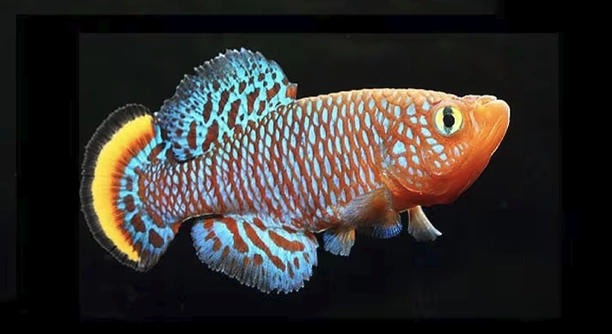
Killi fish fry can sometimes refuse to eat, leaving their caretakers concerned and unsure of what to do next. This issue is common among aquarists raising these delicate fish in home tanks. Understanding the reasons behind this behavior is important for their survival.
When killi fish fry won’t eat, the main causes are often related to water quality, inappropriate food size, or stress. Ensuring optimal tank conditions and providing suitable live or finely crushed food increases the chances of successful feeding and healthy growth.
Addressing these factors early helps improve fry survival and supports healthy development in your killi fish community.
Common Reasons Killi Fish Fry Refuse to Eat
Killi fish fry can stop eating for several reasons, often linked to their environment or feeding routine. Poor water quality is a frequent issue. Ammonia, nitrite, or nitrate levels that are too high can stress the fry, causing them to lose appetite. Another factor is the food type and size. Fry have tiny mouths and may struggle to eat food that is too large or unsuitable. Stress from overcrowding or sudden changes in water temperature also affects their feeding behavior. Ensuring the tank is clean, water parameters are stable, and food is appropriate helps the fry start eating again. Some fry may need live food like baby brine shrimp or microworms to encourage feeding. Monitoring these conditions regularly supports their health and growth.
Water quality and proper feeding are key to encouraging fry to eat and grow well.
Providing the right environment and food improves fry survival rates and supports healthy development over time.
Improving Feeding Success with Killi Fish Fry
Successful feeding often means offering live or freshly hatched food, which is more enticing for killi fry. Many fry refuse processed flakes or pellets because they do not recognize them as food. Live food also moves naturally, triggering feeding instincts. Microworms, baby brine shrimp, and daphnia are excellent choices. It’s important to introduce food gradually, allowing the fry to adjust and recognize it. Avoid overfeeding as leftover food can degrade water quality quickly, causing stress and health issues. Maintaining proper water temperature and stable conditions further encourages feeding. Using a small pipette or turkey baster can help deliver food close to the fry, making it easier for them to catch. Consistent observation allows you to notice when fry begin feeding and make adjustments if needed. This care ensures the fry get enough nutrition during their critical early stages.
How to Manage Stress in Killi Fish Fry
Stress is a major reason fry stop eating. Keeping the tank stable and quiet reduces stress levels. Avoid sudden water changes or loud noises near the tank, as these disturbances can shock the fry and affect their feeding.
Stress weakens fry and can stunt growth. To minimize stress, maintain consistent water temperature and clean water conditions. Avoid overcrowding by keeping fry numbers appropriate for the tank size. Provide hiding places using plants or decorations to help fry feel secure. Watch for aggressive behavior from other fish and separate fry if necessary. Regular, gentle feeding and handling will help fry adapt and reduce stress over time.
Creating a calm environment helps fry regain appetite and encourages natural feeding habits. Consistency is key to helping them grow healthy and strong without interruptions caused by stress.
Signs Your Killi Fish Fry Are Ready to Eat
Fry that are ready to eat show increased movement and curiosity around food. They may swim more actively and follow moving food particles in the water. These behaviors indicate their feeding instincts are kicking in and they are prepared for nutrition.
When fry start nibbling, offer small amounts of live food to encourage feeding. It’s important to provide food frequently but in small portions to avoid water pollution. Watch closely for leftovers and adjust feeding accordingly. As fry grow, gradually introduce different food types to diversify their diet and meet nutritional needs. Patience during this stage ensures fry develop strong eating habits for healthy growth.
Adjusting Food Size for Killi Fish Fry
Food size matters greatly for fry. If the pieces are too large, fry won’t be able to eat them properly and may refuse food altogether.
Crushing flakes or using finely chopped live food ensures fry can consume it easily. Smaller food encourages consistent feeding and better growth.
Monitoring Water Parameters Closely
Maintaining stable water parameters is essential for fry health. Regular testing for ammonia, nitrites, and nitrates helps avoid toxic buildups. Sudden shifts in pH or temperature can stress fry, causing feeding problems. Keeping the tank clean and well-filtered supports optimal conditions and encourages healthy feeding behavior.
Offering Variety in Fry Diet
Introducing different types of food improves nutrition. Mixing live foods with finely crushed dry options gives fry a balanced diet that supports growth and vitality.
Using Feeding Tools Effectively
Tools like pipettes or small spoons help target food delivery, ensuring fry can easily find and eat their meals without food waste.
FAQ
Why won’t my killi fish fry eat at all?
Fry may refuse food due to stress, poor water quality, or food size that is too large. Water parameters like ammonia or nitrite spikes can cause discomfort. Stress from overcrowding or sudden environmental changes also reduces appetite. Using live or finely crushed food often helps stimulate feeding.
How often should I feed killi fry?
Killi fry should be fed small amounts multiple times a day, usually three to five times. Frequent feeding ensures they get enough nutrients without polluting the water. Overfeeding can lead to leftover food, which deteriorates water quality and stresses the fry.
What is the best food for killi fish fry?
Live foods such as baby brine shrimp, microworms, and daphnia are ideal because they move naturally and are easy for fry to catch. Crushed flakes or specialized fry food can be introduced gradually but should be finely ground to suit their small mouths.
Can I use frozen food for my killi fry?
Frozen food is less effective than live food because it lacks movement that stimulates fry to eat. However, thawed and finely crushed frozen food can be used occasionally as a supplement once fry are a bit older and more accustomed to feeding.
How do I know if my fry are stressed?
Signs of stress include hiding frequently, sluggish movement, loss of appetite, and gasping at the water surface. Stress often results from poor water conditions, overcrowding, or sudden changes in the tank environment.
What water conditions are best for feeding killi fry?
Stable temperature, clean water, and balanced pH are crucial. Avoid sudden temperature swings or chemical imbalances. Regular partial water changes keep conditions safe and encourage feeding.
Is it normal for some fry to eat later than others?
Yes, not all fry start feeding at the same time. Some may take longer to recognize food or adjust to the environment. Patience and consistent feeding routines will help late eaters catch up.
Should I separate fry if some won’t eat?
Separating weak or non-eating fry can reduce competition and stress. It allows you to provide targeted feeding and better monitor their progress. Use a smaller breeding box or tank for separation.
How long can killi fry survive without eating?
Fry can survive a few days without food but prolonged fasting weakens them and increases mortality risk. Immediate intervention with suitable food and stable conditions is important if fry stop eating.
Can overfeeding cause fry to stop eating?
Yes, leftover food can pollute water, leading to poor conditions and stressed fry that refuse food. Feeding small amounts often and removing uneaten food helps maintain water quality.
What role does tank setup play in fry feeding?
A well-planted tank with hiding spots reduces stress and encourages natural feeding behavior. Open spaces for swimming and clean substrate also support fry health and growth.
How soon after hatching should fry start eating?
Most killi fry begin feeding within 2 to 3 days after absorbing their yolk sac. Providing tiny live food at this stage supports early development.
Can water changes affect fry feeding?
Yes, large or sudden water changes can stress fry and cause feeding refusal. Small, frequent changes with water that matches tank temperature and chemistry are safer.
Is feeding fry in the morning better than at night?
Feeding in the morning aligns with natural light cycles and helps fry develop regular feeding habits. Consistency in feeding times is more important than specific timing.
What if my fry only eat live food and refuse other types?
It’s common for fry to prefer live food because of movement and freshness. Gradually mixing crushed dry food with live options over time can help them accept a wider diet.
How can I improve fry feeding success?
Keep water clean, maintain stable conditions, use appropriate food sizes, and feed small amounts often. Observe fry closely and adjust feeding methods to their responses.
Can feeding stress fry cause health problems?
Forcing fry to eat or using unsuitable food can cause digestive issues or injury. Gentle feeding and patience reduce risks and support healthy growth.
Is it necessary to remove uneaten food immediately?
Yes, leftover food can quickly degrade water quality. Remove it with a siphon or pipette to prevent ammonia buildup and keep fry healthy.
Are there signs that indicate fry are eating well?
Active swimming, growing steadily, and bright coloration show fry are feeding successfully. Consistent feeding responses and reduced hiding also indicate good health.
Can the presence of adult fish affect fry feeding?
Adult fish can outcompete or stress fry, causing feeding issues. Keeping fry separate or ensuring adults do not interfere helps fry eat without fear or competition.
Final Thoughts
Raising killi fish fry can be challenging, especially when they refuse to eat. Many factors influence their feeding behavior, including water quality, food size, and stress levels. Paying close attention to these elements will improve your chances of success. Maintaining a clean tank with stable water parameters is essential to keep the fry healthy and reduce stress. Offering the right type and size of food, especially live food, encourages fry to start feeding and grow well. Regular observation and small adjustments can make a significant difference in their survival.
It’s important to be patient and consistent when caring for killi fry. They are delicate in their early stages and need gentle handling and a calm environment. Overfeeding or sudden changes can harm them, so feeding small amounts frequently and avoiding water disturbances helps maintain stability. Using feeding tools like pipettes to deliver food close to the fry makes it easier for them to eat. Also, providing hiding spots in the tank reduces stress and supports natural behavior. By creating a suitable environment and following proper feeding practices, you increase the likelihood of healthy fry development.
Remember that not all fry will eat at the same pace, and some may need extra care or separation from the group. Watching their behavior closely allows you to identify issues early and respond appropriately. Understanding their needs and feeding habits supports better growth and reduces losses. While it may take time, persistence and careful attention will help your killi fish fry thrive. With proper care, you can enjoy watching them grow into healthy, active fish.

Hello,
If you enjoy the content that we create, please consider saying a "Thank You!" by leaving a tip.
Every little bit helps us continue crafting quality advice that supports the health, happiness, and well-being of pets around the world, for pets of all shapes, sizes, and species.
We really appreciate the kindness and support that you show us!