
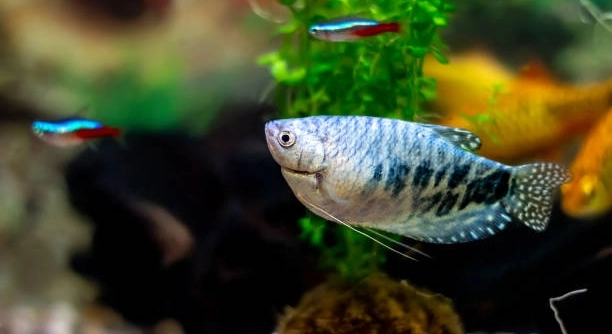
Gouramis are popular freshwater fish known for their peaceful nature and unique behavior. Sometimes, they may ignore each other even when kept together in the same tank. Understanding this behavior helps create a better environment for them.
When gouramis ignore each other, it usually indicates a lack of territorial conflict or social interest. They may simply be comfortable coexisting without interaction, which is normal in a well-balanced aquarium with enough space and hiding spots.
Recognizing this behavior can improve your tank management and help you maintain a healthy community for your fish.
Reasons Why Gouramis Ignore Each Other
Gouramis may ignore each other for several reasons. One common cause is the size of the tank. When there is enough space, gouramis tend to keep to themselves without feeling the need to interact. Another factor is the personality of the fish. Some gouramis are naturally more reserved or independent and may prefer to stay in their own area. Additionally, when gouramis have plenty of hiding spots and plants, they feel safe and less likely to seek attention from others. Stress levels also play a role; calm fish often show less interest in socializing. Lastly, the species of gourami can affect behavior, as some are less social by nature. Understanding these reasons helps in creating a comfortable environment where gouramis can thrive even if they seem indifferent toward each other.
When gouramis ignore each other, it usually does not signal a problem if they are healthy and eating well.
By providing enough space, hiding places, and keeping water conditions stable, you can support your gouramis’ natural behavior. Regular observation helps you notice any changes. If they remain calm but aloof, it’s often a sign they are comfortable and stress-free. Sometimes, introducing new tank mates or rearranging decorations can encourage mild interaction. Patience is key, as forcing interaction might cause unnecessary stress. Knowing when to intervene and when to let them be helps maintain peace in your aquarium and ensures your gouramis stay happy in their space.
How to Encourage Interaction Between Gouramis
Adding new decorations or rearranging plants can stimulate gouramis to explore and possibly interact. Changing the environment slightly encourages natural curiosity. Introducing compatible tank mates can also create mild social activity. However, avoid overcrowding, which causes stress and aggression. Regular feeding times help gouramis associate activity with food, increasing movement in the tank.
Encouraging interaction requires a balanced approach and respect for each fish’s temperament.
Start by introducing plants that create visual barriers and open spaces. This setup gives gouramis a choice to approach each other or stay apart comfortably. Avoid sudden changes; gradual adjustment keeps stress low. Monitor how they respond to new tank mates and rearrangements. If signs of aggression appear, revert to the previous setup. Remember, some gouramis are naturally more social, while others prefer solitude. The goal is to create an environment that allows both behaviors without forcing interaction. Maintaining clean water and a stable temperature supports their overall well-being, making them more likely to show curiosity rather than indifference. This approach leads to a peaceful and balanced aquarium where gouramis coexist harmoniously.
Tank Conditions Affecting Gourami Behavior
Poor water quality can make gouramis stressed and less likely to interact. High ammonia or nitrite levels are harmful. Temperature fluctuations also cause discomfort and reduce activity. Regular water testing and maintenance keep conditions stable. Proper filtration is essential for clean water and fish health.
Stable tank conditions help gouramis feel safe and relaxed. When water parameters are within the right range, gouramis are more likely to show normal behaviors, including occasional social interaction. Stress from poor water quality leads to hiding or lethargy, which looks like ignoring each other. Maintaining consistent temperature between 75°F and 82°F supports their comfort. Clean water encourages feeding and movement, improving their overall well-being. Neglecting these factors often causes behavioral changes that seem like indifference but are actually signs of distress.
Lighting also influences behavior. Bright, constant light can stress gouramis, causing them to hide or remain inactive. Using adjustable or dimmable lighting creates a more natural environment, encouraging activity. Providing shaded areas with plants allows gouramis to rest without feeling exposed. This balance helps them feel secure enough to explore and interact with tank mates. Light cycles that mimic natural day and night rhythms promote healthier behavior patterns, reducing chances of ignoring each other due to stress.
Feeding Habits and Their Impact
Gouramis that are well-fed tend to be more active and aware of their surroundings. Hunger can cause restlessness or aggression, while overfeeding leads to lethargy. A balanced feeding schedule supports healthy interaction.
Feeding quality foods in moderate amounts improves gouramis’ mood and activity levels. Offering a variety of foods such as flakes, pellets, and live or frozen options ensures they get necessary nutrients. Feeding once or twice daily, removing uneaten food, and avoiding overfeeding prevent water quality issues. Healthy gouramis are more likely to swim around and engage with their environment, reducing the appearance of ignoring each other. Observing their feeding behavior gives clues about their health and social state.
Certain feeding strategies can also encourage mild social behavior. For example, spreading food evenly or using feeding rings promotes shared activity without competition. This can gently stimulate interaction while reducing stress. Timing feedings consistently helps gouramis anticipate and prepare for food, increasing movement. Avoid sudden changes in diet, as this may cause stress or disinterest. Maintaining proper feeding habits creates a routine that supports balanced behavior and better coexistence in the tank.
Social Dynamics Among Gouramis
Gouramis have different social behaviors based on species and individual personality. Some prefer solitude, while others tolerate or enjoy company. Recognizing these differences helps manage expectations for their interactions.
Aggression or ignoring can both be normal depending on the tank setup and the fish’s mood. Respecting their social needs prevents unnecessary stress.
Tank Size and Its Role
A tank that is too small can cause tension or stress among gouramis. Providing enough space reduces competition and allows them to establish their own territories without conflict. Larger tanks encourage natural behaviors and calm coexistence.
Signs of Stress in Gouramis
Stress in gouramis may show as hiding, loss of appetite, or sluggishness. Identifying these signs early helps prevent serious health issues. Proper care and environment adjustments can reduce stress and improve their behavior.
Introducing New Gouramis
Adding new gouramis should be done slowly to avoid aggression. Quarantine new fish first, then introduce them gently to the established tank. This approach helps maintain peace and encourages gradual acceptance.
Why do my gouramis ignore each other even when they are in the same tank?
Gouramis often ignore each other because they are peaceful fish that do not always need to interact. When there is enough space, they feel comfortable maintaining their own areas without conflict or socializing. Some gouramis are naturally shy or independent, preferring solitude. They may simply coexist without aggression or interest in each other, which is normal behavior.
Is it a problem if my gouramis do not interact?
Not necessarily. As long as your gouramis are healthy, eating well, and showing no signs of stress or illness, ignoring each other is usually not a concern. It can indicate a calm and balanced tank where fish feel secure. However, if you notice sudden changes in behavior, hiding, or loss of appetite, these could be signs of stress that need attention.
How can I encourage my gouramis to interact more?
To promote interaction, consider adding plants or decorations that create interesting spaces for exploration. Rearranging the tank occasionally encourages curiosity and mild socializing. You can also introduce compatible tank mates to stimulate natural activity. Keep the tank clean and maintain proper water conditions, as healthy fish are more likely to be active and engage with their environment.
Can tank size affect gouramis’ social behavior?
Yes, tank size plays a big role. In a small tank, gouramis may feel cramped, leading to stress or aggression. In a larger tank, they have room to establish territories and avoid unwanted contact. Providing at least 20 gallons for a pair is recommended, with more space for additional fish to reduce tension.
What role does water quality play in gouramis ignoring each other?
Poor water quality causes stress and lethargy in gouramis, which can look like ignoring behavior. High ammonia or nitrite levels and temperature swings make fish uncomfortable. Regular water testing and maintenance are crucial to keeping gouramis healthy and active, supporting normal social behavior.
How important is feeding in affecting gouramis’ interactions?
Feeding habits impact activity levels. Well-fed gouramis tend to be more energetic and alert, which can lead to more interaction. Overfeeding causes sluggishness, while underfeeding can create competition or restlessness. A balanced feeding schedule with high-quality foods keeps gouramis in good health and more likely to explore their tank mates.
Are some gourami species more social than others?
Yes, some species, like the pearl gourami, are more social and may interact frequently, while others, such as the dwarf gourami, can be more solitary. Knowing the temperament of your specific gourami helps set realistic expectations for their behavior in the tank.
Should I separate gouramis if they ignore each other?
Separation is usually unnecessary if the fish are healthy and not stressed. Ignoring each other can be a sign of peace and coexistence. Only consider separating gouramis if you see signs of aggression or illness, or if one fish is being bullied or overly stressed.
How do I know if ignoring is a sign of illness?
If ignoring is accompanied by other symptoms like loss of appetite, discoloration, rapid breathing, or hiding, it could indicate illness or stress. Monitoring your gouramis closely and testing water quality helps determine the cause. In such cases, consulting a vet or experienced aquarist is recommended.
Can lighting affect gouramis’ social behavior?
Yes, harsh or constant lighting can stress gouramis and cause them to hide or be inactive. Using dimmable or natural lighting and providing shaded areas encourages more natural behaviors, including mild interaction. Light cycles that mimic day and night help keep fish comfortable.
How should I introduce new gouramis to reduce ignoring or aggression?
Quarantine new fish first to avoid diseases. When introducing them, do it slowly by placing them in a separate container inside the tank or using a divider. Gradually remove the barrier once they adjust. This reduces stress and helps them accept each other more peacefully.
Does rearranging tank decorations help gouramis interact more?
Yes, changing tank layout can spark curiosity and mild social interaction. New structures encourage exploration, helping gouramis become more active. However, avoid frequent or drastic changes as they can cause stress. Gradual adjustments work best to keep gouramis comfortable and interested.
What should I do if gouramis start ignoring and showing aggression suddenly?
Sudden aggression may be due to overcrowding, poor water quality, or illness. Check tank size, water parameters, and fish health immediately. Separate aggressive fish if necessary and improve tank conditions. Reducing stress is key to restoring peaceful behavior.
Is it normal for gouramis to ignore new tank mates?
Yes, it often takes time for gouramis to accept new fish. They may ignore newcomers at first to observe and establish territory boundaries. Patience and a calm environment help ease introductions. Avoid forcing interaction to prevent stress.
Can stress cause gouramis to stop interacting completely?
Yes, stress can make gouramis hide or remain inactive, which looks like ignoring. Causes include poor water quality, sudden changes, overcrowding, or bullying. Identifying and fixing stress factors helps gouramis return to normal behavior and occasional socializing.
When gouramis ignore each other, it is often a sign that they feel comfortable and safe in their environment. These fish are naturally peaceful and sometimes prefer to keep to themselves rather than interact frequently. This behavior can be normal, especially when the tank is well-maintained with enough space and hiding spots. It is important to understand that not all fish need to be active socializers. Some gouramis are simply more independent and may spend time alone without any problems. As long as they are healthy and eating well, their quiet behavior is usually nothing to worry about.
Maintaining good tank conditions plays a big role in how gouramis behave. Clean water, stable temperature, and proper lighting help keep these fish calm and stress-free. Stress can cause changes in behavior, such as hiding, lethargy, or aggression, which might be mistaken for ignoring. When the water quality is right and the environment feels natural, gouramis are more likely to show their usual behavior, which sometimes includes ignoring other fish. Providing a balanced diet and a suitable tank size also supports their well-being. Small changes like adding plants or rearranging decorations can encourage mild activity, but forcing interaction is not necessary.
It is important to observe your gouramis carefully and accept their natural tendencies. If they are healthy and peaceful, their lack of interaction is simply part of their personality. However, if you notice signs of illness or stress, it is essential to act quickly by checking water conditions and making any needed adjustments. Introducing new tank mates or changes should be done slowly to avoid upsetting the balance. Overall, patience and attention to their environment help gouramis live comfortably, whether they are social or prefer solitude. Respecting their behavior allows them to thrive quietly and happily in your aquarium.

Hello,
If you enjoy the content that we create, please consider saying a "Thank You!" by leaving a tip.
Every little bit helps us continue crafting quality advice that supports the health, happiness, and well-being of pets around the world, for pets of all shapes, sizes, and species.
We really appreciate the kindness and support that you show us!