
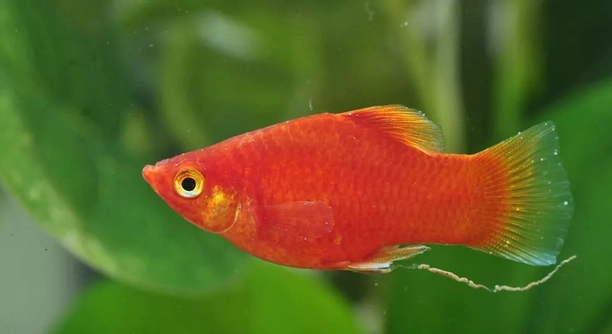
Platies are popular freshwater fish known for their bright colors and peaceful nature. They can sometimes get injured due to fights, sharp objects, or poor water conditions. Knowing how to care for an injured platy can help it recover safely.
If a platy gets injured, the first step is to isolate it in a clean, separate tank with optimal water conditions. Treat any wounds with aquarium-safe antiseptics and maintain stable water temperature to reduce stress and promote healing.
Taking prompt and proper care of your injured platy can make a big difference in its recovery and long-term well-being. Understanding these simple steps ensures you can help your fish stay healthy and happy.
Common Causes of Injuries in Platies
Platies can get injured in several ways, often without us noticing right away. Sharp decorations or rough gravel in the tank can cause cuts or scrapes. Sometimes, aggressive tank mates may nip or chase them, leading to stress or physical harm. Poor water quality is another factor, weakening their immune system and making them more vulnerable to infections. Even overcrowding can increase the risk of injury because platies have less space to swim freely and avoid conflicts. It’s important to regularly check the tank environment for anything that could harm your fish. Also, watch how your platies interact. If you notice aggressive behavior, separating the fish might be necessary to prevent injuries. Keeping the water clean with frequent changes and testing will support their health and reduce chances of wounds becoming infected. These small steps can help keep your platies safe and healthy.
Injuries in platies are often preventable by creating a safe and comfortable habitat.
Proper tank maintenance and careful observation are key to reducing risks and protecting your fish.
Treating and Caring for an Injured Platy
When you notice your platy is injured, the first thing to do is move it to a quarantine tank. This reduces stress and stops any infections from spreading to other fish. Make sure the quarantine tank has clean water, a gentle filter, and a heater to maintain stable temperature. Gently clean the wound with aquarium salt or an antiseptic designed for fish. Avoid using human medications, as they can harm your platy. You can also add aquarium salt to the water to help fight infections and reduce stress. Feeding your platy a nutritious diet will support its immune system during healing. Keep the water clean by performing regular partial water changes. Watch your fish daily for signs of improvement or worsening. If the injury looks severe or the fish doesn’t improve in a few days, consider seeking advice from a veterinarian who specializes in fish. Careful attention and timely treatment give your platy the best chance to heal fully and return to its active self.
Preventing Injuries in Platies
Regular tank cleaning helps prevent injuries by keeping the environment safe and healthy. Remove any sharp or rough objects that could hurt your fish. Keep the tank well-organized to give platies plenty of space to swim freely without bumping into things.
Creating a peaceful tank environment reduces stress and aggressive behavior. Avoid overcrowding by keeping the number of fish appropriate for your tank size. Choose tank mates carefully—platies do best with calm, non-aggressive species. Providing plenty of hiding spots with plants or decorations helps platies feel secure and less likely to get hurt during any sudden movements or minor fights. Checking water quality frequently and maintaining proper temperature supports their immune system and overall health, which lowers injury risks.
Feeding platies a balanced diet strengthens their health, helping them recover faster from minor injuries. Avoid sudden changes in water or tank conditions, which can stress fish and lead to accidents.
Monitoring Your Platy’s Health
Observe your platy daily for any changes in behavior, swimming, or appearance. Early signs of injury or illness can include discoloration, torn fins, or lethargy. Catching problems early increases the chance of successful treatment.
Keeping a close watch on your platy helps you respond quickly to health issues. Use a checklist to note any changes, such as loss of appetite or unusual hiding. Regular monitoring prevents small problems from becoming serious. If you notice wounds or infections, separate the fish and begin treatment immediately. Being attentive to your platy’s condition makes a big difference in their recovery and well-being.
When to Consult a Veterinarian
If your platy’s injury worsens despite home care, it’s time to seek professional help. Severe wounds, swelling, or signs of infection require expert treatment.
A veterinarian can provide medication and advice tailored to your platy’s condition. Don’t wait too long, as delays can reduce the chances of recovery.
Using Aquarium Salt Safely
Aquarium salt can help reduce stress and fight infections in injured platies. Use it carefully, following the recommended dosage on the package to avoid harming your fish.
Avoid using regular table salt, as it may contain additives harmful to aquatic life. Aquarium salt supports healing but should not replace proper treatment and water care.
Avoiding Stress During Treatment
Keep the environment calm and quiet while your platy recovers. Avoid sudden movements, loud noises, and bright lights that can stress the fish.
Stress weakens the immune system and slows healing, so creating a peaceful space is important for recovery.
FAQ
How can I tell if my platy is injured?
Look for visible signs like torn fins, missing scales, or red spots on the body. Your platy may also swim awkwardly or hide more than usual. Sometimes injuries aren’t obvious, but changes in behavior like loss of appetite or lethargy can indicate a problem.
What should I do immediately after noticing an injury?
First, move your platy to a separate quarantine tank with clean, stable water. This reduces stress and prevents infections from spreading. Gently clean any visible wounds with aquarium salt or a fish-safe antiseptic. Keep the quarantine tank calm and monitor your fish daily.
Can platies heal from fin tears on their own?
Minor fin tears often heal by themselves if water conditions are good and the fish isn’t stressed. However, keeping the water clean and adding aquarium salt can speed healing. If the tear looks severe or is worsening, treat the fish in quarantine and consider consulting a vet.
Is it safe to use medication in the main tank?
It’s usually better to treat injured platies in a separate quarantine tank. Medication can affect other fish and beneficial bacteria in the main tank. Quarantine treatment also helps monitor the injured fish closely and avoid stress from tank mates.
How often should I change water for an injured platy?
Perform small partial water changes (about 20-30%) every two to three days in the quarantine tank. This keeps the water clean without causing sudden changes that stress your fish. Always use dechlorinated water at the same temperature.
What causes injuries besides fights?
Sharp decorations, rough gravel, or overcrowded tanks can cause injuries. Poor water quality weakens fish, making them more prone to infections from minor cuts. Sometimes, accidents happen when platies swim too quickly or bump into objects.
How can I prevent injuries in the future?
Keep the tank clean, avoid sharp decorations, and maintain good water quality. Choose peaceful tank mates and don’t overcrowd the tank. Providing plants and hiding spots gives platies safe areas to retreat when stressed.
When should I seek a veterinarian’s help?
If your platy’s injury doesn’t improve after a week or shows signs of infection like swelling, redness, or white patches, get professional help. A vet can prescribe safe medication and offer advice for serious wounds or illnesses.
Can stress cause injuries?
Stress doesn’t directly cause injuries but makes fish more vulnerable to disease and slower to heal from wounds. Stress comes from poor water quality, overcrowding, aggressive tank mates, or sudden changes in the tank environment.
Is aquarium salt necessary for treating injuries?
Aquarium salt is helpful because it reduces stress and prevents infections. Use it according to instructions and avoid overdosing. Salt should be part of treatment but combined with good tank maintenance and wound care.
How do I keep an injured platy from being bullied?
Isolate injured fish in a quarantine tank during recovery. If that’s not possible, rearranging the main tank decorations can disrupt territorial behavior. Adding plenty of plants and hiding places also helps reduce bullying.
Can diet affect recovery?
Yes, feeding a nutritious diet strengthens your platy’s immune system. Offer high-quality flake food, frozen or live foods like brine shrimp or daphnia. Avoid overfeeding, which can pollute the water and cause stress.
What signs show my platy is healing well?
Look for new fin growth, brighter colors, active swimming, and normal appetite. The wound should look less red or swollen over time. Keep monitoring closely to catch any setbacks early.
Are there risks in handling injured fish?
Handling fish directly can cause stress or worsen injuries. Use a soft net when moving the platy, and try to keep handling to a minimum. Always be gentle and avoid touching wounds.
How long does it take for a platy to fully recover?
Recovery time depends on the injury severity and care quality. Minor wounds may heal in a week, while deeper injuries can take several weeks. Patience and proper treatment are key to a full recovery.
Final Thoughts
Injuries in platies can be upsetting, but with proper care, most fish recover well. The key is acting quickly when you notice any signs of harm. Moving the injured platy to a clean, separate tank helps reduce stress and prevents infections from spreading. Keeping water conditions stable and clean is very important during this time. Using aquarium salt and fish-safe antiseptics can support healing, but these should be used carefully and according to instructions. Paying close attention to your platy’s behavior and appearance every day helps catch problems early and improves the chances of a full recovery.
Prevention is just as important as treatment. A well-maintained tank with smooth decorations and enough space will keep platies safer. Avoiding overcrowding and choosing peaceful tank mates also reduces the risk of injuries caused by aggression. Good water quality strengthens the fish’s immune system and helps them resist infections. Providing hiding spots with plants or decorations lets your platies retreat if they feel threatened. A balanced diet supports their overall health, making them stronger and better able to heal when injuries happen.
Taking care of an injured platy requires patience and attention. Recovery can take time, especially with more serious wounds. Avoid rushing or overhandling the fish, as this can cause more stress and slow healing. If injuries worsen or don’t improve within a week, it’s a good idea to consult a veterinarian who knows about fish care. By following these simple steps, you give your platy the best chance to heal and continue living a happy, healthy life in your aquarium. Consistent care and observation will keep your fish thriving and prevent future injuries.

Hello,
If you enjoy the content that we create, please consider saying a "Thank You!" by leaving a tip.
Every little bit helps us continue crafting quality advice that supports the health, happiness, and well-being of pets around the world, for pets of all shapes, sizes, and species.
We really appreciate the kindness and support that you show us!