
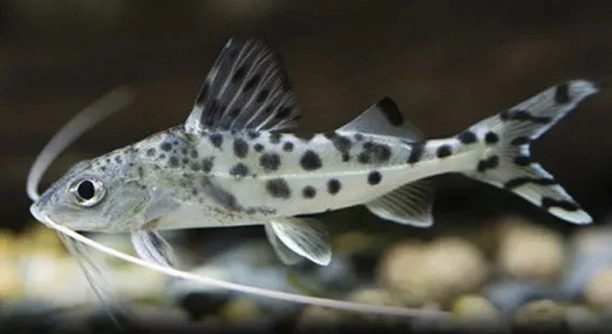
Is your pictus catfish not growing the way you expected, even though everything else in the tank seems just fine?
Stunted growth in a pictus catfish is most often caused by poor water quality, limited tank space, or improper diet. Ensuring a clean, well-maintained aquarium with adequate room and balanced nutrition is essential for healthy development.
Environmental stressors, overlooked tank conditions, and feeding habits can all play a part in this issue. Let’s look at what might be happening and how you can help your fish thrive.
Common Reasons a Pictus Catfish May Stop Growing
A pictus catfish may stop growing if its tank conditions are not meeting its needs. This species requires plenty of space to swim and thrive, and a cramped tank can slow down or even halt growth. Poor water quality is another major factor—ammonia, nitrites, or unbalanced pH levels can create stress, which affects development. Additionally, if your catfish isn’t getting the right nutrients, it won’t grow properly. They need a mix of protein-rich foods like bloodworms and sinking pellets. If you’re keeping them with more aggressive or faster fish, they might also miss out during feeding time, leading to undernourishment. Finally, stress from frequent tank changes, loud surroundings, or incompatible tank mates can all play a part. Growth issues aren’t always obvious right away, so it’s important to observe your fish regularly and stay consistent with maintenance.
Make sure the water is clean, food is balanced, and the tank has enough space.
Feeding your pictus catfish a variety of high-protein foods can support steady growth. Include items like brine shrimp, bloodworms, and quality sinking pellets. Rotate foods to ensure they get different nutrients. Overfeeding should be avoided, as it can affect water quality. Feed small portions twice daily and monitor how much they consume. They may not eat during stress, so keep a close eye on behavior during feeding time. Also, consider separating them at meal times if tank mates are more aggressive. Maintaining a healthy diet not only supports growth but also helps improve overall health, coloration, and energy levels. Feeding well is important, but it must be paired with a clean and well-filtered tank to work effectively. Dirty water will undo even the best feeding routine. Routine checks and steady care are key to keeping your pictus catfish growing as they should.
Creating the Best Tank Environment
Clean, stable tank conditions are essential if you want to support healthy growth in your pictus catfish.
For best results, use a tank that holds at least 55 gallons. These fish are very active and need plenty of swimming room. A small tank will restrict their movement and can stunt their growth over time. Make sure your filter is strong enough to handle the bioload of your fish, especially if you keep them with other species. Keep ammonia and nitrites at zero, and nitrates below 20 ppm. Do water changes weekly, around 25–30% of the tank volume, to keep everything balanced. Keep the temperature steady between 75°F and 81°F, and avoid placing the tank in areas with sudden light or temperature changes. Also, decorate the tank with hiding spots using driftwood or smooth rocks. Pictus catfish are shy and feel safer with cover. Safe, clean surroundings make a big difference in helping your fish grow at a healthy pace.
Checking for Stress or Illness
Stress and illness can slow down a pictus catfish’s growth. Look for signs like hiding more than usual, changes in color, loss of appetite, or labored breathing. These signs often mean something is off in the tank or with their health.
Stress is often caused by loud noises, bright lights, or aggressive tank mates. Try to keep the tank in a quiet area and avoid sudden light changes. If your catfish is being chased or bullied, consider rehoming the aggressive fish or providing more hiding spots. Illness can also affect growth. Common problems include internal parasites or infections. Watch for unusual poop or visible marks on the skin. If you suspect illness, test your water and consider using a broad-spectrum medication designed for freshwater fish. It’s important to act quickly. Stress and sickness can weaken the immune system and make it harder for your catfish to grow properly.
Quarantine new fish before adding them to the tank. This helps prevent the spread of disease. Use a separate tank and observe the new fish for at least two weeks. This is especially important if you’ve had issues with illness before. Also, always wash your hands before tank maintenance and avoid using soaps or lotions that might contaminate the water. Clean equipment regularly, and never share tools between tanks without disinfecting them first. Disease can spread easily in small systems, and even minor stress can affect growth. If your fish continues showing signs of illness, talk to a local aquarium expert or vet familiar with freshwater fish. Acting early can make a real difference in helping your pictus recover and grow normally again.
When to Consider Upgrading Equipment
If growth has stalled and everything else seems fine, it may be time to look at your equipment. Older filters or small heaters may not be providing the stable environment your catfish needs.
Filters wear down over time. Even if water looks clear, it may not be clean enough. A good filter should cycle your tank’s volume at least four times per hour. For a 55-gallon tank, that’s a filter rated for at least 220 gallons per hour. If the filter is underpowered, waste can build up and affect water quality. Heaters also need to be reliable. If the temperature swings too much, it can cause stress. Use a digital thermometer to track any changes. Good lighting is also helpful, but avoid overly bright lights. Replace bulbs regularly, and use a timer to keep the light consistent. These small updates can support growth by creating a stable, healthy space.
Monitoring Water Parameters Regularly
Use a test kit weekly to check ammonia, nitrite, nitrate, and pH levels. Even small changes in water quality can affect your pictus catfish’s growth. Keeping parameters steady helps reduce stress and supports their overall health.
Stick to a water change schedule to avoid sudden shifts. Change 25–30% of the water weekly using a siphon and dechlorinated water. Clean filters monthly, but avoid over-cleaning, as this can remove helpful bacteria. Consistency matters more than perfection.
Avoiding Overcrowded Tanks
Overcrowding leads to competition for food, space, and oxygen. Pictus catfish are active swimmers and need open areas to grow well. Sharing a tank with too many fish creates stress and reduces available resources, which can quickly impact growth. Stick to a low-stress setup with plenty of space for each fish.
Avoiding Sudden Changes
Avoid sudden changes in temperature, lighting, or tank layout. These shifts can stress your pictus catfish and slow growth. Always make adjustments gradually to give your fish time to adjust.
FAQ
How long does it take for a pictus catfish to reach full size?
A pictus catfish typically takes about 8 to 12 months to reach its full size, which is usually around 4 to 5 inches in length. Growth depends on proper tank size, water quality, and a balanced diet. If any of these conditions aren’t right, growth may slow down or stop completely. A stable environment helps keep their growth on track, while stress or poor feeding habits can delay it.
What should I feed my pictus catfish for better growth?
Pictus catfish do best with a mix of high-protein sinking pellets, frozen or live bloodworms, brine shrimp, and occasional flakes. They are bottom feeders, so make sure the food reaches the substrate. Feed twice a day in small portions. Avoid overfeeding, as uneaten food can cause poor water quality, which affects growth. Rotating food types helps provide the variety of nutrients they need for steady development.
Can poor lighting affect pictus catfish growth?
Lighting doesn’t directly impact growth, but poor lighting can affect their activity and comfort. If the tank is too bright, pictus catfish may hide more and eat less. Use soft lighting and provide hiding places to reduce stress. Keeping a regular day-night cycle with a timer helps maintain their daily rhythm. While lighting alone won’t stunt growth, too much stress from bright or inconsistent lighting can slow it down indirectly.
Is it normal for pictus catfish to grow slower than other fish?
Yes, pictus catfish can grow at a slower pace compared to other species, especially when housed with faster-growing or more dominant fish. They are shy and may not always get to food first. This can lead to slower growth if not managed properly. Ensuring they have access to enough food and a calm environment helps them grow steadily. Growth speed varies slightly from fish to fish, but consistent care makes a difference.
Do pictus catfish need other catfish to grow better?
Pictus catfish are not schooling fish, but they do prefer the company of their own kind. Keeping them in small groups of two or three can reduce stress. However, adding more fish also means the tank must be large enough to handle the bioload. Growth won’t necessarily improve just by adding companions, but a low-stress social setting can help them stay more active and eat more regularly.
How can I tell if my pictus catfish is stressed?
Signs of stress include rapid breathing, dull coloring, hiding more often, lack of appetite, or erratic swimming. Stress often results from poor water quality, incompatible tank mates, or sudden environmental changes. A stressed fish won’t grow properly and is more prone to illness. Watch behavior closely and test the water often to catch issues early. Small corrections can make a big difference over time.
What size tank is ideal for a growing pictus catfish?
A single pictus catfish needs at least a 55-gallon tank to grow comfortably. They are very active swimmers and need open space. Smaller tanks can limit movement and lead to stunted growth. If you plan to keep more than one, or have tank mates, a larger tank is strongly recommended. More space means better water quality and less stress, which supports healthier growth overall.
Can stunted growth in pictus catfish be reversed?
Sometimes, yes—if the cause is identified early. Improving diet, upgrading tank space, and fixing water conditions can help a stunted pictus catfish resume normal growth. However, if stunting continues too long during the early growth stages, it may become permanent. Even if they don’t reach full size, improved care still boosts their health and quality of life. Focus on giving the fish the best environment moving forward.
Are there supplements that help with pictus catfish growth?
In most cases, a well-balanced diet is enough. However, some aquarists use fish-safe vitamin supplements to support immune health and growth, especially after illness or stress. These can be soaked into food or added to the tank water, depending on the product. Always follow the dosage instructions. Supplements can be helpful but won’t make up for poor water conditions or an unsuitable tank. They’re best used as a support, not a solution.
Final Thoughts
Caring for a pictus catfish takes patience and attention to detail, especially when it comes to growth. If your fish has stopped growing, it doesn’t always mean something is seriously wrong, but it does suggest that something in the tank may need to be adjusted. Whether it’s the size of the tank, the quality of the water, or the type of food you’re offering, even small issues can make a big difference over time. Making sure your catfish is getting everything it needs—space, clean water, and proper food—is the most reliable way to help it stay healthy and grow at a steady pace.
Growth problems are often tied to things that are easy to overlook. A tank that looks clean might still have water parameters that are off. A fish that eats might still not be getting enough of the right nutrients. Watching your fish closely is important. Look for changes in behavior, appearance, or appetite. These can be signs that your catfish is stressed or unwell. Routine maintenance, like weekly water testing and scheduled water changes, can prevent many of these problems from building up. It’s also helpful to keep notes on what you feed and how your fish behaves after meals. These details can help you notice patterns or spot problems sooner.
A pictus catfish is an active and peaceful fish when it’s comfortable in its space. Helping it grow is not just about size—it’s about creating a calm, stable environment where it can thrive. While you may not see results overnight, consistent care makes a lasting impact. If you’ve gone through the main steps—checking water quality, reviewing feeding habits, upgrading the tank when needed—and your fish still isn’t growing, try not to stress. Some fish grow more slowly than others, and some may stay a little smaller even in good conditions. Focus on providing steady care, and your catfish will have the best chance to live a full, healthy life.

Hello,
If you enjoy the content that we create, please consider saying a "Thank You!" by leaving a tip.
Every little bit helps us continue crafting quality advice that supports the health, happiness, and well-being of pets around the world, for pets of all shapes, sizes, and species.
We really appreciate the kindness and support that you show us!