
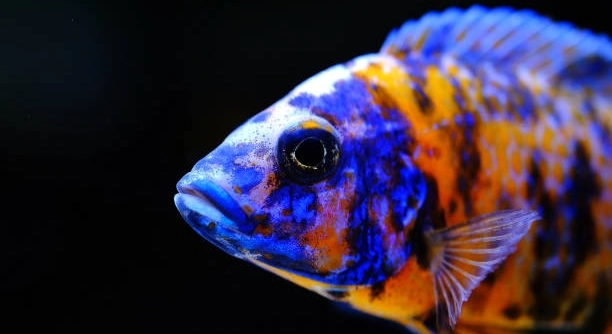
Moving can be stressful for cichlids, often causing them to lose their appetite. After a relocation, it is common for these fish to stop eating temporarily as they adjust to their new environment. This article addresses what to do if your cichlid is not eating after a move.
A cichlid’s lack of appetite following a move is primarily due to stress and environmental changes. Ensuring stable water conditions, providing a quiet space, and offering familiar foods can help restore normal feeding behavior. Prompt action supports the fish’s recovery and health.
Understanding how to care for your cichlid during this adjustment period is important. The following information will guide you through effective steps to encourage your fish’s eating habits and overall well-being after moving.
Causes of Loss of Appetite After Moving
When a cichlid is moved to a new tank or environment, stress is the main reason it may stop eating. Changes in water temperature, pH, or hardness can unsettle the fish. New surroundings with different lighting or decorations can also cause discomfort. Additionally, sudden noises or vibrations near the tank may increase stress levels. Stress weakens the fish’s immune system and reduces its appetite, making it harder for the cichlid to adjust. It is important to monitor water quality closely, as poor conditions can further discourage feeding. Keeping the environment stable and calm helps the fish settle in faster. Avoid changing too many factors at once during or after the move to reduce anxiety.
Proper acclimation is critical to minimize appetite loss and promote health after relocation.
The process of acclimating a cichlid involves gradually introducing it to the new water conditions. Slowly mixing the water from the new tank with the old tank water over a period of one to two hours allows the fish to adjust to differences in temperature and chemistry. Avoid sudden changes that can shock the fish. After placing the cichlid in its new tank, keep lighting dim and reduce tank activity to create a calm environment. Offer small amounts of familiar food to encourage feeding. If the fish refuses food for more than a few days, checking water parameters and possibly consulting a veterinarian is advised. Patience and careful monitoring are key to helping the cichlid regain its appetite and thrive.
How to Encourage Eating
Maintaining stable water conditions is essential for restoring a cichlid’s appetite after moving. Avoid large water changes or introducing new tank mates during this time, as these can cause additional stress. Feeding small amounts of high-quality, easy-to-digest foods helps stimulate the fish’s interest in eating. It is helpful to offer the food at regular times to establish a routine. If the cichlid rejects pellets or flakes, try live or frozen options like brine shrimp or bloodworms. Removing uneaten food quickly prevents water quality issues. Providing hiding spots such as caves or plants offers security, making the fish feel safe enough to eat. Observing your cichlid’s behavior closely allows you to detect changes and respond promptly, which supports its recovery.
Creating a calm and consistent environment improves feeding success and overall health.
Feeding your cichlid after a move requires care and attention. Start by offering small portions of food several times a day rather than one large feeding. This approach reduces waste and encourages the fish to eat little by little. Choose foods that the cichlid is familiar with to increase acceptance. If the fish continues to refuse food after several days, try gently changing the food type or texture. Avoid overfeeding, as uneaten food can pollute the tank and harm the fish. Keep water parameters stable and maintain good filtration to support recovery. Sometimes, adding aquarium salt in recommended doses can reduce stress and promote appetite. Watching for signs of illness during this period is important to address any health concerns quickly. With consistent care, most cichlids will resume normal eating habits within a week or two.
Monitoring Your Cichlid’s Health
Regular observation is crucial to ensure your cichlid is recovering well after the move. Look for signs of stress or illness, such as lethargy, rapid breathing, or unusual spots. Early detection helps prevent more serious problems.
Check the fish’s behavior daily, noting any changes in activity or appetite. A healthy cichlid should gradually become more active and responsive to feeding. If it remains listless or hides excessively, this may indicate ongoing stress or illness. Also, test water quality regularly to ensure stable conditions. Parameters like ammonia, nitrite, nitrate, and pH must be within safe ranges. Keep a log of water tests and any behavioral changes to track progress. Consulting an aquatic specialist can be helpful if problems persist.
Using a thermometer to monitor temperature and observing the tank environment closely will help you catch issues early. Prompt action can improve your cichlid’s chances of full recovery and prevent complications.
Preventing Future Feeding Issues
Maintaining consistent tank conditions is the best way to avoid future feeding problems in cichlids. Keep water temperature, pH, and hardness stable, and avoid sudden changes. Regular cleaning and filtration also support good water quality. Provide a balanced diet with varied foods to meet nutritional needs and prevent picky eating habits. Establish a feeding routine to reduce stress around mealtime. Avoid overcrowding the tank, as competition can cause some fish to eat less. Introducing new fish slowly and carefully will prevent stress spikes. Paying attention to these details ensures your cichlid remains healthy and maintains a good appetite over time.
Adjusting Water Parameters
Water conditions should be carefully adjusted to match your cichlid’s previous environment. Sudden shifts in temperature or pH can cause stress and reduce appetite.
Use a reliable test kit to measure water parameters. Adjust levels slowly to avoid shocking the fish.
Feeding Techniques to Stimulate Appetite
If your cichlid refuses food, try feeding smaller amounts more frequently. Offering live or frozen foods often encourages eating more than dry pellets. Be patient and consistent. Sometimes, changing feeding times to quieter periods of the day can help reduce stress and promote feeding. Avoid overfeeding to keep water quality stable and reduce waste buildup, which can further stress the fish. Observing your cichlid’s preferences will help you find the best feeding method to restore appetite quickly.
Handling Stressful Environments
Limit loud noises and excessive movement around the tank. A calm environment helps your cichlid feel secure and more likely to eat.
When to Seek Professional Help
If your cichlid stops eating for more than a week or shows signs of illness, consult an aquatic veterinarian promptly.
FAQ
Why is my cichlid not eating after I moved it?
Moving causes stress for cichlids, which often leads to a loss of appetite. Changes in water temperature, chemistry, lighting, and tank layout can unsettle them. Stress weakens their immune system and makes them less likely to eat until they adjust to the new environment.
How long does it take for a cichlid to start eating again after a move?
Most cichlids begin eating again within a few days to two weeks after relocation. This depends on how stable the new tank conditions are and how well you manage stress factors. Patience is important during this time while maintaining proper water quality and providing familiar foods.
What should I feed my cichlid if it refuses regular food?
Offer live or frozen foods such as brine shrimp, bloodworms, or daphnia. These are often more appealing than pellets or flakes. Feeding small amounts several times a day can encourage the fish to eat gradually. Avoid overfeeding to prevent water pollution.
Can poor water quality cause a cichlid to stop eating?
Yes, poor water quality is a common reason for loss of appetite in cichlids. High ammonia or nitrite levels, incorrect pH, or temperature fluctuations stress the fish and make them less likely to feed. Regular testing and maintenance keep water conditions safe and stable.
How can I reduce stress for my cichlid after moving?
Keep the tank environment calm and quiet with low lighting. Provide hiding spots like plants or caves for security. Avoid sudden water changes or adding new tank mates immediately. Slowly acclimate the fish to new water conditions during the move.
Should I give my cichlid medication if it stops eating?
Medication is only recommended if you notice signs of illness like fin rot, white spots, or unusual behavior besides not eating. If unsure, consult an aquatic veterinarian before administering any treatment. Overusing medications can harm the fish or tank environment.
Is it normal for cichlids to hide after moving?
Yes, hiding is a common behavior indicating stress or insecurity. Providing safe hiding places helps the fish feel secure. As your cichlid becomes comfortable, it will spend more time swimming and feeding openly.
Can temperature changes affect my cichlid’s appetite?
Sudden temperature shifts cause stress and reduce appetite. Cichlids prefer stable water temperatures specific to their species. Using a heater and thermometer ensures the tank stays within the ideal range, promoting feeding and health.
How often should I test the water after moving my cichlid?
Test water daily for at least the first week after moving. Check ammonia, nitrite, nitrate, pH, and temperature. This helps catch any harmful changes early. After stability is confirmed, reduce testing frequency but continue regular checks.
What signs show my cichlid is recovering?
Increased activity, exploring the tank, and accepting food are positive signs. The fish will swim more confidently and begin interacting with the environment. Healthy coloration and normal breathing rates also indicate recovery.
Is it okay to isolate my cichlid after moving?
Isolation can reduce stress if other tank mates are aggressive or if the new tank is overcrowded. Use a separate quarantine tank or a divider if needed. This allows the cichlid to eat and adjust without competition or bullying.
Can overfeeding cause my cichlid to lose appetite?
Yes, overfeeding can pollute the tank and cause discomfort, leading to reduced appetite. Feed small portions appropriate for the fish’s size and remove any uneaten food promptly to maintain water quality.
How do I know if my cichlid’s refusal to eat is due to illness?
Look for signs like clamped fins, faded colors, rapid gill movement, or white spots. If your cichlid is lethargic and refuses food for more than a week, illness might be the cause. Consult a veterinarian for diagnosis and treatment options.
Are there specific foods that help cichlids regain appetite faster?
High-protein foods like live or frozen brine shrimp and bloodworms often stimulate appetite. These are closer to their natural diet and easier to digest. Gradually reintroduce regular pellets or flakes once the fish begins eating again.
What should I avoid doing after moving my cichlid?
Avoid sudden water changes, adding new fish, or rearranging tank decorations right after moving. These can increase stress and delay feeding. Keep the environment stable and quiet to support recovery.
Moving a cichlid to a new tank can be a stressful experience for both the fish and the owner. It is normal for a cichlid to stop eating temporarily after a move, as the change in environment can cause confusion and discomfort. Stress from new water conditions, different lighting, and unfamiliar surroundings can make the fish hesitant to eat. Understanding this natural response is important to avoid panic and take appropriate steps to help the cichlid adjust. Patience is essential because pushing the fish too hard or rushing changes can make the situation worse.
Providing a stable and calm environment is the best way to support a cichlid after relocation. Maintaining water quality is a priority, as sudden shifts in temperature, pH, or chemical levels increase stress and discourage feeding. Slowly acclimating the fish to its new tank, offering familiar and nutritious foods, and keeping disturbances to a minimum will help the cichlid regain its appetite. Observing the fish daily for any signs of illness or ongoing stress allows for early intervention if needed. Small adjustments and consistent care are key to helping the fish recover and feel comfortable again.
While it can be concerning when a cichlid refuses food after moving, this condition is usually temporary and manageable. Most cichlids will begin eating again within a few days to a couple of weeks if given the right conditions. Knowing how to adjust feeding routines, water parameters, and tank environment reduces the risk of long-term problems. If the fish continues to refuse food for an extended period or shows signs of illness, consulting a professional is recommended. Overall, a careful approach focused on stability and patience will help your cichlid thrive in its new home.

Hello,
If you enjoy the content that we create, please consider saying a "Thank You!" by leaving a tip.
Every little bit helps us continue crafting quality advice that supports the health, happiness, and well-being of pets around the world, for pets of all shapes, sizes, and species.
We really appreciate the kindness and support that you show us!