
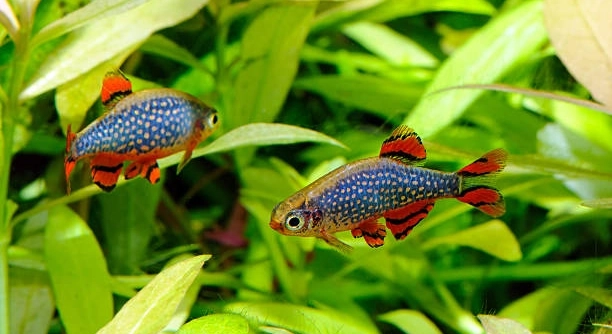
Have you ever noticed a Celestial Pearl Danio disappearing from your aquarium without warning? These tiny, shimmering fish can be elusive, and their sudden absence may leave you feeling concerned about their safety and well-being.
The first step in addressing a missing Celestial Pearl Danio is to thoroughly inspect the aquarium. Check for hiding spots, filter compartments, and any other areas the fish may have slipped into. Monitoring water quality and tank conditions is equally important.
Knowing where to start can make the situation less stressful, and understanding common causes of disappearance helps prevent future incidents.
Common Hiding Spots in Your Aquarium
Celestial Pearl Danios are small and naturally shy, which often leads them to hide in places you might not immediately consider. They enjoy dense plants, caves, and decorations that give them a sense of security. If your aquarium has driftwood, rocks, or intricate ornaments, check behind and beneath them. Even small gaps between decorations can serve as hiding spots. Danios can also squeeze into corners near the filter or heater where water flow is gentle. Observing their behavior over time helps identify patterns in their preferred areas. Lighting changes can also influence where they choose to stay; dimmer areas often attract them when they feel stressed. Occasionally, a fish may rest near the substrate or among floating plants for comfort. Ensuring there are plenty of hiding spaces can reduce stress and make it easier to monitor your fish. A careful, systematic search usually reveals their location.
Hiding is often temporary and natural, not necessarily a sign of illness.
Regularly inspecting plants and decorations, and gently moving them if needed, ensures you can locate any missing fish quickly. It also helps maintain water flow and cleanliness, preventing debris buildup in tight spaces. Overcrowding or sudden changes in the tank can increase hiding behavior. If the fish remains unseen for days, check water quality and look for signs of stress or illness. Sometimes a missing fish may have jumped out, so always keep the lid secure. Maintaining a calm, stable environment encourages Danios to explore openly. Feeding schedules and observing where they gather during meals can provide clues about their favorite spots. Some owners even use a small flashlight or a soft net to gently inspect hard-to-see areas without causing harm. By understanding their habits, you can reduce anxiety and prevent repeated disappearances. Careful attention to tank layout ensures a safe, engaging habitat for all fish.
Checking Tank Conditions
Poor water quality can cause fish to hide or vanish from view.
Monitoring temperature, pH, and ammonia levels is critical. Danios are sensitive to sudden changes, which may lead them to seek shelter.
Maintaining consistent water parameters is essential for the health of Celestial Pearl Danios. Regular testing of ammonia, nitrite, nitrate, and pH levels ensures the environment remains stable. Temperature fluctuations should be minimized, and heaters or chillers must function properly. Even minor imbalances can stress fish, causing them to hide or exhibit unusual behavior. Filtration efficiency matters too, as stagnant areas can make fish uncomfortable. Partial water changes help remove toxins and maintain clarity, while careful observation during these changes can reveal hidden fish. Additionally, overcrowding, overfeeding, or decaying plant matter may degrade water quality, increasing stress. Consistent care routines create a predictable environment, encouraging fish to remain visible and active. Keeping detailed notes of water parameters and behavioral changes allows for early detection of problems and reduces the risk of missing fish. Proper lighting schedules and aeration further support overall well-being, creating a safe, healthy tank for Celestial Pearl Danios.
Searching for Escapes
A missing Celestial Pearl Danio may have jumped or slipped through gaps in the tank. Always check lids, overflow areas, and filter intakes carefully.
Danios are small and agile, capable of slipping into tiny openings. Even a small gap in the tank lid can allow a fish to jump out, especially during feeding or when startled. Inspect all equipment attachments, tubing, and decorations near the water surface. Check behind cabinets or under the aquarium for any escaped fish. Some may hide temporarily near the edges of the tank or cling to plants near the surface. It’s important to move slowly and quietly to avoid further stress. Recording when you notice missing fish can help identify patterns or repeated risks in the tank setup. Securing lids and inspecting equipment reduces the likelihood of accidental escapes.
Once you’ve inspected for escapes, monitor your tank closely for days. Provide extra hiding spots inside the tank, and observe feeding times carefully. Stress or minor injuries from attempting to escape may cause a Danio to remain hidden. Gentle observation is key, and avoid disturbing decorations too often. Using a soft flashlight can help spot fish without creating strong water currents that push them further into hiding. Keep water quality steady and ensure the environment is calm to encourage the fish to reappear naturally. Some Danios may only be temporarily hiding, so patience is necessary.
Monitoring Health and Behavior
Stress and illness often lead to sudden hiding or disappearance of Danios. Watch for lethargy or loss of appetite.
Changes in swimming patterns, color fading, or unusual positions can indicate health issues. Ill fish often hide to avoid conflict and conserve energy. Check for signs of fin damage, bloating, or clamped fins. Maintaining optimal water conditions, a balanced diet, and consistent routines helps reduce stress. Quarantining new or sick fish prevents the spread of disease. Regular observation allows early detection of problems. Behavioral tracking during feeding and social interactions shows whether a fish is simply hiding or struggling with health.
Keeping a log of tank conditions, water parameters, and fish behavior can help detect subtle changes that indicate stress or illness. Even minor fluctuations in temperature or pH can make Danios retreat. Regular feeding at consistent times encourages normal behavior and makes it easier to spot unusual patterns. When multiple fish are present, monitor interactions for bullying or aggression, as this can drive a fish to hide. Providing varied diet and enrichment supports immune health and reduces hiding tendencies. Quick response to illness, including treatment or quarantine, can prevent further issues and promote recovery. Understanding normal behaviors allows early intervention and keeps all fish safer.
Inspecting Decorations and Plants
Dense plants and ornaments often hide missing Danios. Move items gently to check behind them.
Even small gaps in rocks or driftwood can conceal a fish. Look carefully under plants, near the substrate, and inside decorations where water flow is gentle.
Using a Soft Light
A soft flashlight can reveal hidden fish without causing stress. Shine it along tank edges and plants slowly. Carefully scanning areas helps locate elusive Danios without disturbing the tank or harming other inhabitants.
Feeding Observations
Watching where fish gather during feeding can indicate hiding spots. Missing Danios often appear near food or edges. Monitoring these areas helps pinpoint locations and ensures they are healthy and ready to eat.
Securing the Tank Lid
A missing fish may have jumped out. Always ensure the lid fits tightly and there are no gaps along the edges where Danios could escape.
FAQ
Why did my Celestial Pearl Danio disappear suddenly?
Danios are small, shy, and easily stressed. Sudden changes in water temperature, pH, or tank conditions may cause them to hide. Aggressive tankmates or overcrowding can also push them into hiding. Sometimes, they may have jumped or slipped through gaps in the lid. Observing patterns in behavior and maintaining stable conditions reduces these disappearances.
How can I tell if my Danio is hiding or sick?
Hiding is normal for stressed or cautious Danios, but illness shows signs like clamped fins, faded colors, lethargy, or loss of appetite. Monitoring feeding behavior and swimming patterns can help distinguish hiding from illness. Keeping a log of water conditions and behavior is helpful for early detection.
Where should I look first when a fish goes missing?
Check dense plants, decorations, caves, and filter compartments. Inspect driftwood, rocks, and any gaps in ornaments where water flow is gentle. Look near the substrate and along the tank edges, as small Danios often seek sheltered areas that feel safe.
Could my Danio have jumped out of the tank?
Yes. Danios are active jumpers, especially when startled during feeding or sudden movement. Always keep a tight-fitting lid to prevent escapes. Inspect areas near overflows, tubing, or edges where gaps could allow them to slip out.
How can I reduce hiding behavior in my tank?
Provide plenty of secure spaces, stable water parameters, and consistent feeding schedules. Avoid sudden changes in temperature, lighting, or tank layout. Ensuring compatible tankmates and a calm environment encourages Danios to remain visible. Observing behavior at feeding times helps you monitor their comfort level.
What role does water quality play in missing Danios?
Poor water quality stresses Danios, causing them to hide or become inactive. Regularly test ammonia, nitrite, nitrate, and pH levels. Keep temperature stable and perform partial water changes to maintain a clean, safe habitat. Good water quality also prevents disease that might make a fish retreat.
Can tank decorations cause fish to disappear?
Yes. Dense plants, caves, and complex ornaments can create hiding spots. Move items gently during inspection to avoid injury. Small gaps between rocks, driftwood, or equipment attachments can conceal Danios for extended periods, especially if they feel stressed or threatened.
Should I quarantine a new fish to prevent disappearances?
Quarantining new fish helps prevent disease, aggression, and stress in the main tank. Newcomers may trigger hiding behavior in existing Danios. A separate, controlled environment ensures both health and safety while minimizing sudden disappearances in the main aquarium.
How long should I wait before worrying about a missing Danio?
If a Danio remains hidden for more than a day or shows signs of illness, investigate water quality, tank conditions, and hiding spots immediately. Extended absence may indicate injury, escape, or disease. Prompt inspection and careful observation are crucial for recovery.
Can lighting affect my Danio’s visibility?
Yes. Dim or uneven lighting encourages Danios to hide in shaded areas. Bright, consistent lighting during observation or feeding can help locate them, but sudden changes in intensity may increase stress. Balance lighting to provide comfort and visibility.
What if I can’t find my Danio after a thorough search?
Continue monitoring feeding and behavior. Ensure water parameters are stable and decorations are gently checked. If the fish does not reappear, consider checking the surrounding area outside the tank for accidental escapes, and adjust the tank setup to prevent future incidents.
How can I prevent future disappearances?
Maintain stable water parameters, secure lids, and provide plenty of hiding spaces. Observe behavior consistently, especially after adding new tankmates or changing the environment. Regular inspections, gentle care, and proper feeding routines help Celestial Pearl Danios feel safe and reduce the risk of sudden hiding or escapes.
Final Thoughts
Missing Celestial Pearl Danios can be worrying, but it is often a result of their natural behavior rather than a serious problem. These fish are small, active, and easily stressed, which leads them to hide in dense plants, decorations, or even filter areas. Understanding their habits and environment is key to finding them quickly and preventing future disappearances. It is important to remember that hiding is a natural instinct, especially when they feel threatened or when water conditions fluctuate. By paying attention to where they like to spend time in the tank, you can anticipate potential hiding spots and make small adjustments to the layout to keep them safer. Careful observation over time also helps you distinguish between normal hiding and behavior that may indicate illness.
Water quality and stable tank conditions play a major role in keeping Celestial Pearl Danios visible and healthy. Fluctuations in temperature, pH, or ammonia levels can stress these fish, leading them to retreat into hard-to-see areas. Regular testing of water parameters and maintaining consistent feeding schedules helps reduce stress. Partial water changes and proper filtration are also essential to keep the environment clean and safe. Paying attention to how your fish behave during feeding or when new decorations or tankmates are introduced can give clues about their comfort and overall health. A calm, predictable environment not only encourages them to explore but also supports their long-term well-being. Even small adjustments, like providing extra plants or moving decorations slightly, can make a noticeable difference in where the fish choose to hide.
Accidents like fish jumping out of the tank or slipping into small gaps are another common reason for disappearances. Securing the lid and checking for openings around filter intakes, tubing, or ornaments can prevent these issues. Observing your Danios regularly helps detect any changes in behavior or appearance, allowing you to respond quickly if something goes wrong. Providing a safe, enriching habitat and being consistent with care routines ensures your Celestial Pearl Danios remain healthy and reduces the chance of sudden hiding or escapes. Over time, understanding their habits and needs makes it easier to monitor them, address problems before they escalate, and enjoy a lively, vibrant aquarium. Regular observation, gentle maintenance, and careful tank setup are the best strategies to keep these small, delicate fish safe and visible.

Hello,
If you enjoy the content that we create, please consider saying a "Thank You!" by leaving a tip.
Every little bit helps us continue crafting quality advice that supports the health, happiness, and well-being of pets around the world, for pets of all shapes, sizes, and species.
We really appreciate the kindness and support that you show us!