
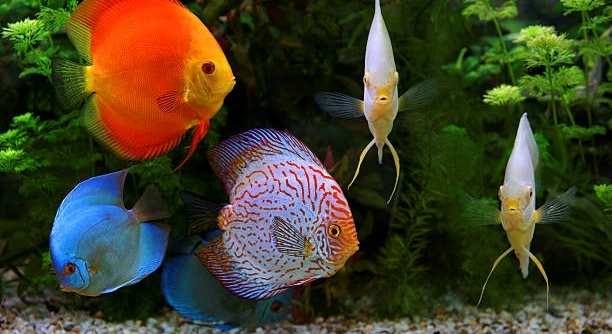
Feeding discus fish properly is important for their health and growth. Many owners wonder about the best time of day to offer food to their discus. Knowing the right timing can improve their eating habits and overall well-being.
The optimal time to feed discus is generally in the early morning or late afternoon. These times align with their natural feeding patterns and help reduce stress while promoting better digestion and nutrient absorption. Consistency in feeding times also supports their routine and health.
Understanding the best feeding times can make a difference in how your discus thrive. This simple adjustment in your care routine may lead to noticeable improvements in their behavior and condition.
Why Feeding Time Matters for Discus
Feeding time is important for discus fish because it affects their health and behavior. Discus are sensitive fish that prefer a routine. Feeding them at consistent times helps reduce stress and encourages regular eating habits. When discus are fed randomly, they may become anxious or less interested in food, which can lead to poor nutrition. Also, feeding at the right time supports their natural activity patterns. In the wild, discus feed mostly during the cooler parts of the day, like early morning and late afternoon. Mimicking this schedule in the aquarium helps them feel more comfortable. This consistency also allows you to monitor their appetite and health more closely. If your discus seem less active or are not eating well, adjusting feeding times could improve the situation. Paying attention to these details can help discus maintain good growth, vibrant colors, and overall well-being.
Disc fish benefit most from routine feeding, which reduces stress and promotes better eating habits.
Feeding discus at the right time also improves digestion. When discus eat during their natural active periods, their metabolism works more efficiently. Feeding late at night or during peak heat may lead to leftover food, which can pollute the tank. This pollution affects water quality and can harm your fish. Timing meals correctly means less waste and a cleaner tank. A stable schedule also helps prevent overfeeding, which is a common problem among discus keepers. Overfeeding can cause obesity and increase the risk of disease. Feeding on a set schedule allows you to control portions and ensure each fish gets enough nutrition without excess. Overall, consistent and well-timed feeding is one of the simplest ways to care for discus and keep your aquarium environment healthy.
Best Practices for Feeding Discus
Most hobbyists feed discus twice a day, once in the morning and once in the late afternoon. These two feeding sessions work well because they match the discus’ natural feeding rhythms. Smaller, frequent meals are better than one large feeding, which can cause stress and digestive problems.
Feeding twice daily matches discus’ natural habits and helps maintain their health.
To feed properly, offer a balanced diet of high-quality flakes, pellets, frozen, or live foods. It is important to feed only what your discus can finish within a few minutes. Remove any uneaten food quickly to avoid water contamination. Monitor your fish closely during feeding times to make sure all discus get a fair share. Adjust the amount and frequency as your fish grow and change. Keeping a feeding schedule also helps you notice any changes in appetite, which can indicate health problems early. By following these simple steps, you can create a healthy feeding routine that supports your discus fish for years to come.
Common Feeding Mistakes to Avoid
Feeding discus too often or too much can cause water quality issues. Overfeeding leads to leftover food, which pollutes the tank and stresses the fish.
Overfeeding is one of the biggest mistakes discus keepers make. When food remains uneaten, it decomposes and raises ammonia levels in the water. This harms the fish and encourages harmful bacteria growth. Feeding large portions at once can overwhelm the discus, causing digestive problems and reducing their appetite. It’s better to feed smaller amounts more frequently to prevent waste and maintain water quality. Watching how much your discus eat and adjusting portions will help avoid these problems.
Skipping or delaying feedings can also cause issues. Discus need regular meals to stay healthy and active. Irregular feeding times disrupt their routine, leading to stress and weakened immune systems. Keeping a consistent schedule supports their metabolism and overall health.
Signs Your Discus Are Getting Enough Food
Healthy discus are active, show bright colors, and swim confidently. They respond eagerly when it’s feeding time and eat their food quickly without hesitation.
If discus seem lethargic or lose color, it may mean they are not getting enough food or the right nutrients. Watch for signs like weight loss or hiding, which can indicate poor feeding habits. Proper feeding supports growth, vibrant colors, and immune strength. Regularly observing their behavior and appearance helps you adjust feeding amounts and timing. Consistency and quality food are key to keeping your discus thriving.
Feeding Frequency and Amount
Feeding discus two times a day is ideal for most owners. This routine supports their digestion and energy levels without overloading their system.
Portion control is essential. Feed only what the discus can consume in about three to five minutes to avoid leftover food and water quality issues.
How Water Temperature Affects Feeding
Water temperature impacts discus metabolism and appetite. At higher temperatures, discus are more active and need more frequent feedings. Cooler water slows their digestion, so feeding less often is better. Maintaining stable temperatures between 82°F and 86°F helps keep discus healthy and responsive to feeding schedules. Sudden changes in temperature can stress the fish and reduce their interest in food, making regular feeding times even more important.
Feeding and Tank Cleanliness
Keeping the tank clean is key when feeding discus. Removing uneaten food quickly helps prevent water problems.
How often should I feed my discus each day?
Feeding discus twice a day is usually the best approach. This schedule fits their natural eating habits and keeps their digestion steady. Feeding more than twice can stress their system and pollute the tank, while feeding less may leave them hungry or cause health issues. Two small meals, one in the morning and one in the late afternoon, help maintain energy levels and support growth.
What is the best time of day to feed discus?
The ideal times are early morning and late afternoon. These periods mimic their natural feeding patterns in the wild when they are most active and ready to eat. Feeding during these cooler times reduces stress and encourages better food intake. Avoid feeding at night or during the hottest part of the day, as discus are less active and may not digest food well.
Can I feed my discus more than twice a day?
Feeding more than twice daily can increase the risk of overfeeding and poor water quality. Discus have sensitive digestive systems that do best with regular but moderate portions. More frequent feedings can cause leftover food to decay, leading to harmful ammonia levels. If you want to feed more often, reduce portion sizes accordingly and monitor water parameters carefully.
What types of food should I give my discus?
A balanced diet including high-quality flakes, pellets, frozen bloodworms, brine shrimp, and specially formulated discus food is best. Variety helps ensure discus get all necessary nutrients. Avoid low-quality foods with fillers or artificial additives. Fresh, protein-rich foods support vibrant colors, good health, and growth.
How much food is enough for discus?
Feed only what your discus can finish within 3 to 5 minutes. This amount prevents waste and keeps the tank clean. Overfeeding can cause obesity and water quality issues, while underfeeding may slow growth and dull colors. Watch your fish during feeding and adjust portions as they grow or if their appetite changes.
What happens if I feed my discus too late in the day?
Feeding late in the evening or at night can cause food to remain uneaten, leading to water pollution. Discus are less active during these times and may not digest food well, increasing the risk of digestive problems and stress. Leftover food also encourages harmful bacteria growth, which can harm your fish.
Is it necessary to remove uneaten food after feeding?
Yes, removing leftover food promptly is crucial. Uneaten food breaks down and releases ammonia, which is toxic to discus. It also causes the tank to become cloudy and unhealthy. Use a net or siphon to clear uneaten food within 10 to 15 minutes after feeding. This simple step helps maintain clean water and healthier fish.
How does water temperature affect discus feeding?
Water temperature influences discus metabolism and appetite. Between 82°F and 86°F, discus are active and eat well. If water is cooler, digestion slows and they need less food. Sudden temperature changes can stress discus and reduce feeding interest. Keeping a stable, warm temperature supports consistent feeding habits.
Can irregular feeding times harm discus?
Yes, inconsistent feeding times can stress discus. They thrive on routine and may become anxious or lose appetite if feeding is unpredictable. Stress weakens their immune system, making them prone to disease. Keeping a regular feeding schedule supports their natural rhythms and overall health.
How can I tell if my discus are eating enough?
Healthy discus are active, show bright colors, and eagerly eat at feeding time. If they are hiding, losing weight, or appear dull, they may not be eating enough or getting proper nutrition. Monitoring behavior and physical condition helps you adjust feeding practices to keep discus healthy.
Is it okay to skip feeding occasionally?
Skipping feeding can stress discus if done often. They need regular meals to maintain energy and health. However, missing a single feeding once in a while is unlikely to cause harm. Avoid frequent skipping, as it can weaken their immune system and affect growth.
Should I feed baby discus differently?
Yes, baby discus need more frequent feeding with smaller portions. They grow quickly and require nutrient-rich foods like finely crushed flakes or specialized fry food. Feed them three to four times a day until they are larger, then gradually reduce feeding frequency to twice daily as they mature.
Does lighting affect feeding time?
Lighting can influence discus activity and feeding. Bright light early in the day encourages natural feeding behavior. Keep lighting consistent with the feeding schedule to help discus recognize mealtime. Avoid sudden changes in lighting during feeding, as it may startle or stress them.
What is the role of fasting days for discus?
Occasionally skipping a feeding day can help clear the discus’ digestive system and prevent overfeeding. Fasting once a week or every two weeks is sometimes recommended by experienced keepers. However, this should be done carefully and not regularly to avoid stress or malnutrition.
Can feeding at the wrong time cause disease?
Feeding at irregular or inappropriate times can increase stress and weaken discus immunity, making them more vulnerable to disease. Poor feeding habits may also cause digestive issues that open the door to infections. Maintaining proper feeding schedules supports disease prevention and overall health.
Feeding discus fish at the right time and in the right way plays an important role in their health and happiness. Keeping a regular feeding schedule, usually twice a day in the early morning and late afternoon, helps discus feel comfortable and reduces their stress. These times fit well with their natural eating habits, making them more likely to eat well and digest their food properly. Consistency is key because discus are sensitive fish that respond best when their environment and routine stay stable.
It is also important to pay attention to how much and what you feed your discus. Offering small portions that they can finish in a few minutes helps prevent leftover food from polluting the tank. Overfeeding can cause water quality problems and lead to health issues like obesity or digestive troubles. A varied diet with good-quality flakes, pellets, and frozen or live foods supports their growth and vibrant colors. Watching how your discus behave during feeding times gives clues about their health and whether you need to adjust portions or feeding frequency.
Maintaining good water quality and a clean tank goes hand in hand with proper feeding. Removing uneaten food quickly and monitoring water conditions help prevent harmful ammonia buildup, which can stress or even harm your fish. Feeding your discus at the best times and caring for their environment with attention will create a healthier, more stable home for them. These small changes in routine and care can make a big difference in helping your discus thrive over time.

Hello,
If you enjoy the content that we create, please consider saying a "Thank You!" by leaving a tip.
Every little bit helps us continue crafting quality advice that supports the health, happiness, and well-being of pets around the world, for pets of all shapes, sizes, and species.
We really appreciate the kindness and support that you show us!