
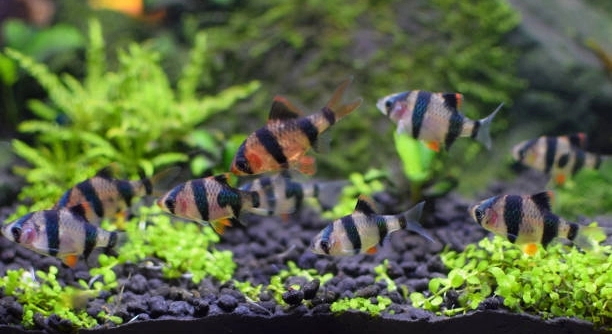
Tiger barbs are lively freshwater fish that thrive in well-maintained aquariums. Knowing their natural sleep patterns helps keep them healthy and stress-free. Understanding when these fish rest can improve their overall care and tank environment.
Tiger barbs typically sleep best during the night, usually when the aquarium lights are off and the environment is quiet. Their sleep cycle follows a natural day-night rhythm, with rest periods lasting several hours in low-light conditions.
Learning about their sleep habits helps create a peaceful tank that supports their well-being and natural behavior.
Understanding Tiger Barbs’ Sleep Environment
Tiger barbs need a calm and dark space to sleep well. In their natural habitat, they rest during the night when there is little to no light. In an aquarium, this means turning off the tank lights for about 8 to 12 hours daily. Bright lights or sudden changes can disturb their rest, causing stress or restless behavior. Maintaining a consistent light schedule helps mimic their natural day-night cycle. Also, avoid tapping on the glass or making loud noises near the tank during their sleeping hours. These fish prefer hiding spots like plants or decorations where they feel safe while resting. A tank with some shaded areas can improve their sleep quality. Proper water temperature between 74 and 79°F (23-26°C) is also important. Too warm or too cold water can disrupt their normal sleep patterns and cause health problems.
Creating a peaceful tank environment supports their natural rhythms and overall health.
Tiger barbs are sensitive to environmental changes. Keeping light cycles and water conditions stable helps them rest better. A quiet, dim tank during night hours encourages natural sleep habits.
Signs That Tiger Barbs Are Sleeping
Tiger barbs show clear signs when they are sleeping. They often slow down their swimming and hover near plants or decorations. Their colors may fade slightly, appearing duller than usual. During sleep, they become less responsive to movements outside the tank or disturbances nearby. It’s common for them to rest in groups, which gives them a sense of safety. Unlike mammals, their eyes do not close, but they remain still and calm. When they are awake, their movements are quick and active, so any sudden drop in activity usually means they are resting. Observing these behaviors helps you know when to keep the tank environment quiet.
Avoid tapping the glass or shining lights during this time to prevent waking them up.
If tiger barbs swim actively during the night, it may signal stress or poor sleep conditions. Making sure the tank is dark and quiet at night is essential for their well-being. Adjusting tank lighting and minimizing disturbances can improve their rest. Understanding these signs ensures that you provide the best care possible for your fish’s sleeping needs.
Best Tank Conditions for Tiger Barb Sleep
Keeping the tank clean is crucial for tiger barbs to sleep well. Dirty water causes stress and disrupts their rest. Regular water changes and filtration maintain good water quality.
Stable water temperature between 74 and 79°F (23-26°C) supports healthy sleep. Sudden temperature shifts can disturb them and cause sleeplessness or illness. Lighting should be on a timer to keep a consistent day-night cycle. About 10 to 12 hours of light followed by darkness mimics their natural environment. Plants and hiding spots help tiger barbs feel secure when resting. Avoid overcrowding the tank, as this increases stress and interferes with sleep.
Providing a quiet environment during night hours is important. Sudden loud noises or vibrations can wake them. Soft filtration noise is usually fine but keep the surroundings calm.
Impact of Feeding Times on Tiger Barb Sleep
Feeding tiger barbs late at night can disrupt their sleep cycle. Food leftover in the tank may also affect water quality. Feeding them earlier in the day ensures they have enough time to digest before resting.
Feeding at consistent times each day helps maintain their internal rhythms. Overfeeding can lead to poor water conditions and stress, impacting sleep. Offer small, balanced portions twice daily to keep them healthy. Avoid feeding immediately before lights go off, as active eating might delay their rest.
Healthy sleep improves digestion and immune function. Keeping feeding times regular supports their natural behaviors and overall well-being. If tiger barbs appear restless after feeding, consider adjusting the timing or amount of food. Maintaining good feeding habits is a simple but effective way to promote better sleep and health in your aquarium.
Effects of Noise on Tiger Barb Sleep
Loud noises near the tank can stress tiger barbs and disrupt their sleep. Sudden sounds or vibrations may cause them to dart around or hide.
Keeping the environment calm during their rest period helps maintain their natural sleep pattern. Avoid placing the tank near speakers or heavy foot traffic areas.
How Light Exposure Influences Sleep Patterns
Bright or inconsistent lighting can confuse tiger barbs and interfere with their sleep cycle. A fixed lighting schedule helps them know when to be active or rest. Using a timer for the aquarium lights ensures consistent day and night periods.
Maintaining about 10 to 12 hours of darkness each day encourages restful sleep. Avoid turning the lights on and off multiple times during the night to prevent stress.
Role of Tank Mates in Tiger Barb Sleep
Tank mates that are aggressive or overly active can disturb tiger barbs’ rest. Peaceful companions promote a calm environment.
Choosing compatible fish helps ensure everyone in the tank can rest properly and reduces stress.
FAQ
How long do tiger barbs sleep each day?
Tiger barbs usually sleep for about 8 to 12 hours daily. Their sleep aligns with the natural day-night cycle, mostly resting during the night when the tank lights are off. They remain inactive and hover near plants or decorations during this time.
Can tiger barbs sleep during the day?
Tiger barbs are primarily nocturnal sleepers, resting mostly at night. However, if their environment is very dim or quiet during the day, they may take short rest periods. Daytime sleep is usually lighter and shorter compared to nighttime.
Do tiger barbs close their eyes when they sleep?
No, tiger barbs do not close their eyes when they sleep. Like many fish, their eyes remain open even during rest. Instead, they show signs of sleep by slowing down their movement and staying still near safe spots in the tank.
What happens if tiger barbs do not get enough sleep?
Lack of sleep can cause stress, weaken their immune system, and lead to poor health. Rest is important for their recovery and overall well-being. Continuous disturbances or poor tank conditions that interrupt sleep can make tiger barbs more prone to disease.
Is it normal for tiger barbs to hide when sleeping?
Yes, tiger barbs often seek shelter when they rest. Hiding in plants or decorations helps them feel safe and protected from threats. Providing plenty of hiding spots in the tank supports their natural behavior and better sleep quality.
Can tank lighting affect tiger barb sleep?
Absolutely. Bright or inconsistent lighting disrupts their natural rhythm. Using a timer to create regular light and dark periods helps tiger barbs follow a healthy sleep cycle. Sudden changes in light can startle them and cause restlessness.
Are certain tank mates better for tiger barb sleep?
Peaceful and non-aggressive tank mates are better for tiger barb sleep. Aggressive or overly active fish can disturb their rest by chasing or stressing them. Choosing compatible species helps keep the tank calm and supports healthy sleep patterns.
How does water temperature influence tiger barb sleep?
Water temperature between 74 and 79°F (23-26°C) is ideal for tiger barb sleep. Temperatures outside this range can cause discomfort and disrupt their rest. Stable temperature control is key to maintaining their natural behavior and health.
Should I feed tiger barbs before their sleeping time?
It’s best to avoid feeding tiger barbs right before lights go off. Feeding earlier in the day allows time for digestion before resting. Feeding too late can increase activity levels and interfere with their sleep cycle.
How can I tell if my tiger barbs are stressed from poor sleep?
Signs of stress from poor sleep include erratic swimming, loss of color, hiding excessively, or reduced appetite. Watching their behavior during night hours can help identify if they are resting well or being disturbed.
Does noise affect tiger barb sleep?
Yes, loud noises or vibrations near the tank can wake tiger barbs or cause stress. Keeping the tank in a quiet area during their rest period helps maintain a peaceful environment for better sleep.
How often should I change the water to improve tiger barb sleep?
Regular water changes, usually 20-30% weekly, keep the tank clean and reduce stress. Clean water supports healthy sleep by maintaining good oxygen levels and reducing harmful toxins.
Do tiger barbs need total darkness to sleep?
While complete darkness is ideal, low light or shaded areas can also help tiger barbs rest. Using plants or decorations to create shaded spots in the tank can improve their comfort during sleep hours.
Can sudden movements near the tank disturb tiger barbs’ sleep?
Yes, sudden movements or tapping on the glass can startle tiger barbs and wake them up. Minimizing disturbances around the tank during night hours is important for their uninterrupted rest.
Are tiger barbs more active at night or day?
Tiger barbs are diurnal, meaning they are active during the day and rest at night. Their activity decreases as the tank lights go off, signaling it is time to sleep.
Tiger barbs are lively fish that benefit from a stable and calm environment, especially when it comes to their sleep. Their natural rest happens mostly at night, following a day-night cycle similar to many other animals. Providing consistent lighting, a quiet tank, and suitable water conditions helps support their natural sleeping habits. When tiger barbs get proper rest, they stay healthy, active, and show their best colors. Ensuring they have places to hide during rest time also helps them feel safe and less stressed.
Maintaining good tank conditions is essential for the well-being of tiger barbs. Clean water with the right temperature range keeps them comfortable and helps prevent illness. Overfeeding or irregular feeding schedules can disrupt their sleep, so feeding at regular times and in moderate amounts is important. Noise and sudden movements near the tank can wake them or cause stress, so keeping the area calm during their rest period is beneficial. Choosing compatible tank mates also contributes to a peaceful environment where all fish can rest properly.
Understanding the sleep habits of tiger barbs is a simple but important part of caring for them. Paying attention to their rest patterns and providing a stable environment helps prevent stress and health problems. This improves their lifespan and the overall enjoyment of keeping these colorful fish. With consistent care and attention to their sleep needs, tiger barbs can thrive and remain active and vibrant in your aquarium.

Hello,
If you enjoy the content that we create, please consider saying a "Thank You!" by leaving a tip.
Every little bit helps us continue crafting quality advice that supports the health, happiness, and well-being of pets around the world, for pets of all shapes, sizes, and species.
We really appreciate the kindness and support that you show us!