
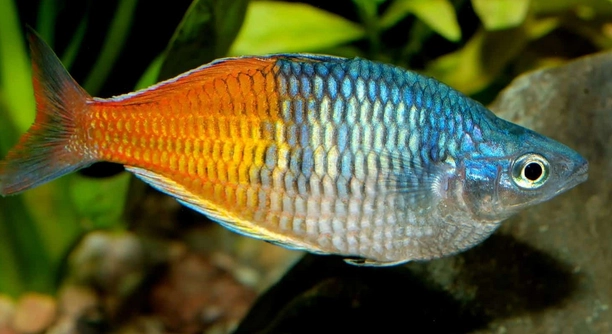
Rainbow fish are known for their vibrant colors and active nature. Maintaining the proper water temperature is crucial for their health and well-being. This article will explore the best temperature range to keep your rainbow fish thriving.
The ideal temperature for rainbow fish ranges between 74°F and 80°F (23°C and 27°C). This range supports their natural habitat conditions, promoting healthy growth, vibrant coloration, and optimal breeding. Consistent temperatures within this range are essential.
Ensuring your rainbow fish are kept at the proper temperature helps maintain their overall health and activity levels.
Ideal Temperature for Rainbow Fish
Maintaining the right water temperature for rainbow fish is essential to their well-being. These fish are native to tropical areas, which means they thrive in warm environments. Temperatures that are too low can lead to sluggish behavior, while temperatures that are too high may stress them out. The recommended range for rainbow fish is between 74°F and 80°F (23°C and 27°C). Ensuring the temperature stays within this range helps support their natural metabolism, promotes healthy growth, and encourages vibrant colors. Regular monitoring of the water temperature is essential to avoid sudden fluctuations that could affect the fish’s health.
Maintaining stable conditions ensures the fish remain active and healthy. Temperature fluctuations should be avoided as they can cause stress.
Additionally, the water heater in your tank should be reliable. An unreliable heater may not maintain the temperature range consistently, leaving the fish vulnerable to sudden changes. Investing in a quality, adjustable heater can help control the temperature more effectively.
Factors Affecting Temperature in Your Tank
Water temperature can fluctuate due to various factors in your tank.
The size of your tank plays a significant role in how easily the temperature can be controlled. Larger tanks tend to maintain stable temperatures more effectively, while smaller tanks are more prone to rapid temperature changes. Additionally, the location of the tank in your home can impact temperature consistency. If your tank is placed near windows, heat vents, or areas with direct sunlight, external temperature changes can directly affect the water. Keeping the tank away from such sources helps prevent temperature fluctuations.
Another factor to consider is the tank’s filtration system. Strong filters that push water through quickly may create localized areas of cooler water. Adjusting the flow rate or placing the filter intake away from the heater can ensure even distribution of temperature throughout the tank.
How to Measure Water Temperature
A reliable thermometer is essential for monitoring your tank’s temperature. Place it in the water near the middle of the tank for accurate readings. Avoid placing it too close to the heater, as this could give you a false reading.
Regularly check the thermometer to ensure the temperature stays consistent. If you notice significant fluctuations, it could be a sign that the heater is malfunctioning or the tank is located in an area with temperature changes. Keep track of the water temperature at different times of the day. If you observe any patterns of instability, consider moving the tank or investing in a better heater.
In addition to a standard thermometer, consider using a thermometer with an alarm function. This will alert you if the water temperature falls outside of the optimal range, preventing potential harm to your rainbow fish. Regular checks and updates to your equipment can help maintain stable conditions.
Best Heater for Rainbow Fish Tanks
Investing in a high-quality heater is key to keeping rainbow fish healthy. A reliable heater ensures that the water temperature remains within the ideal range.
Submersible heaters are a great option as they can be easily placed in the tank without taking up extra space. Look for heaters that are adjustable so you can fine-tune the temperature to meet your rainbow fish’s needs. Digital heaters with built-in thermostats offer precision and help prevent overheating. Be sure to check the heater’s wattage, which should correspond to the size of your tank. Generally, 5 watts per gallon is a good rule of thumb.
Also, remember to check the heater’s durability. Cheap models may break down or fail over time, leading to fluctuations in water temperature. Investing in a well-constructed, reliable heater will save you money and protect your fish in the long run.
Monitoring Temperature Fluctuations
Regular checks are important to detect temperature fluctuations early. Even slight changes in temperature can stress your fish and affect their health. Consistency is key for maintaining a healthy environment.
Use a thermometer with a high and low temperature reading feature. This way, you can quickly spot any unusual spikes or drops. Placing the thermometer near the middle of the tank helps ensure accuracy. You can also monitor your heater’s performance with the same method, preventing any potential issues.
Effects of Improper Temperature
When the temperature is too high, rainbow fish become stressed and may show signs of rapid breathing, loss of color, or even lethargy. This can weaken their immune system and make them more susceptible to disease. Prolonged exposure to high temperatures can lead to death.
Conversely, low temperatures cause sluggishness and reduced metabolism in rainbow fish. When the water is too cold, their immune response weakens, making them more vulnerable to infections. In addition, cold water can slow their digestive processes, leading to poor health. Maintaining the ideal temperature helps avoid these issues.
Maintaining Stability with a Temperature Controller
A temperature controller is an excellent tool for ensuring stable water temperature. It automatically regulates the heater, adjusting the output as needed to maintain the set temperature. These controllers are especially useful if you experience frequent temperature fluctuations in your environment.
Using a temperature controller can prevent the risk of overheating or underheating, offering peace of mind. They are reliable and easy to install, making them a simple solution for those who want a more hands-off approach to temperature management.
FAQ
What happens if the temperature is too high for rainbow fish?
If the water temperature is too high for rainbow fish, they can become stressed. Overheating may cause them to exhibit symptoms like rapid breathing, lethargy, and fading color. Prolonged exposure to high temperatures can also lead to weakened immune systems, making the fish more susceptible to diseases. If the temperature rises significantly, rainbow fish might not survive. It’s important to ensure the temperature stays within the ideal range to avoid these issues.
What happens if the temperature is too low for rainbow fish?
When the temperature drops too low, rainbow fish become sluggish and less active. Their metabolism slows down, making it difficult for them to digest food properly. They may also become more vulnerable to infections and illnesses. Keeping the temperature at the right level ensures they remain healthy, active, and able to fight off any potential health issues.
How can I tell if my rainbow fish are too cold?
If rainbow fish are too cold, you’ll notice they become less active and may spend more time near the bottom of the tank. They might swim slowly or seem lethargic, showing little interest in food. Additionally, their colors might dull, and they could show signs of stress, such as rapid gill movement. Keeping an eye on these behaviors can help you identify if the temperature needs adjusting.
Can rainbow fish tolerate minor temperature fluctuations?
Rainbow fish can tolerate minor fluctuations in temperature, but they prefer consistency. Sudden or frequent temperature changes can cause stress and negatively affect their health. It’s important to maintain a stable temperature within the optimal range to ensure they stay healthy. Try to avoid letting the water temperature fluctuate by more than a few degrees.
How do I prevent temperature fluctuations in my tank?
To prevent temperature fluctuations, consider using a reliable heater with a thermostat to maintain consistent water temperature. Ensure your tank is placed in a stable environment, away from direct sunlight, windows, or heat vents that can cause temperature changes. Regularly check the thermometer and heater to ensure they are functioning properly.
What type of heater is best for rainbow fish?
Submersible heaters are the most common choice for rainbow fish tanks. These heaters are easy to install and maintain and work well in most tank setups. Look for adjustable heaters with a built-in thermostat to control the temperature accurately. Digital models provide precision and can be set to a specific temperature, making them ideal for maintaining the right conditions for rainbow fish.
How often should I check the water temperature?
It’s recommended to check the water temperature at least once a day, especially if you’re using a heater with a thermostat. Regular checks help ensure that the heater is functioning properly and that the temperature is staying within the optimal range. Monitoring throughout the day can help identify any fluctuations and allow you to make adjustments if needed.
Do rainbow fish need a heater?
Rainbow fish require a heater if the water temperature in your home falls below their ideal range, which is between 74°F and 80°F (23°C and 27°C). If you live in a cooler climate or keep the tank in a colder room, a heater will help maintain the proper temperature for your fish. Without a heater, the water temperature may drop too low, leading to health issues for your rainbow fish.
Can I use a temperature controller for my heater?
Yes, using a temperature controller for your heater is an excellent way to maintain a stable environment for your rainbow fish. The temperature controller automatically regulates the heater, preventing overheating or underheating by turning the heater on or off as necessary. This ensures a more consistent temperature, which is crucial for the health of your fish.
How can I fix a heater that’s not working properly?
If your heater isn’t working correctly, first check if it’s plugged in and functioning. Ensure it’s clean and free from any debris that might be blocking its performance. If the heater is malfunctioning, consider replacing it with a more reliable model. Some heaters have adjustable thermostats, so ensure the temperature setting is correct. If the issue persists, contact the manufacturer for advice or replace the heater altogether.
Is there a way to quickly raise the water temperature if it gets too low?
If the water temperature drops too low, you can raise it slowly using a reliable heater. Avoid raising the temperature too quickly, as rapid changes can stress your fish. You can also add warm water in small increments to help stabilize the temperature. Be sure to monitor the water closely, using a thermometer to ensure the temperature increases gradually and safely.
What’s the best way to keep the tank at a consistent temperature?
To maintain a consistent temperature, place your tank in a stable environment where temperature fluctuations are minimal. Avoid placing it near windows, heat vents, or air conditioning units, as these can affect the water temperature. Using a high-quality heater with a built-in thermostat and checking it regularly will also help maintain consistent conditions for your rainbow fish.
How does the tank size affect water temperature?
The size of your tank affects how easily the temperature can be maintained. Larger tanks tend to have more stable temperatures because they hold more water, which takes longer to heat or cool down. Smaller tanks, on the other hand, are more prone to rapid temperature changes. If you have a smaller tank, make sure you monitor the temperature more closely and adjust the heater settings as needed.
Can temperature affect rainbow fish breeding?
Yes, temperature plays a key role in rainbow fish breeding. If the water temperature is too low, the fish may not breed or lay eggs. On the other hand, if the temperature is too high, it can cause stress and make breeding conditions less favorable. Maintaining the ideal temperature range encourages healthy breeding behavior in rainbow fish.
Can rainbow fish survive without a heater during the winter?
Rainbow fish can survive without a heater during the winter if the water temperature remains within the ideal range. However, if your home gets very cold, a heater is necessary to keep the temperature stable. Without a heater, the water temperature may drop too low, which could lead to health problems for your rainbow fish. It’s best to use a heater to ensure consistent, optimal conditions.
Final Thoughts
Maintaining the right water temperature is essential for the health and well-being of rainbow fish. These fish thrive in a consistent environment, where the temperature stays within the optimal range. Temperatures that are too high or too low can lead to stress, poor health, and even death. By regularly monitoring the temperature, using reliable heaters, and adjusting the environment, you can ensure that your fish remain active, healthy, and vibrant.
Using a thermometer to monitor the water temperature is one of the easiest ways to stay on top of any fluctuations. If you notice any irregularities, it’s important to address them quickly. Small temperature changes may not seem harmful at first, but over time, they can have a significant impact on your fish’s health. Heaters with built-in thermostats are a great investment as they help regulate the temperature automatically, offering stability in the tank. Always check that your heater is working properly, as malfunctioning heaters can lead to temperature spikes or drops.
In addition to maintaining a stable temperature, other factors such as tank placement and water quality also play a role in the health of your rainbow fish. Avoid placing the tank in areas where the temperature fluctuates due to sunlight, drafts, or air conditioning. Keeping the tank in a stable room and ensuring proper water filtration and oxygenation will support the temperature efforts. With consistent care, rainbow fish can live long, healthy lives and bring color and life to your aquarium.

Hello,
If you enjoy the content that we create, please consider saying a "Thank You!" by leaving a tip.
Every little bit helps us continue crafting quality advice that supports the health, happiness, and well-being of pets around the world, for pets of all shapes, sizes, and species.
We really appreciate the kindness and support that you show us!