
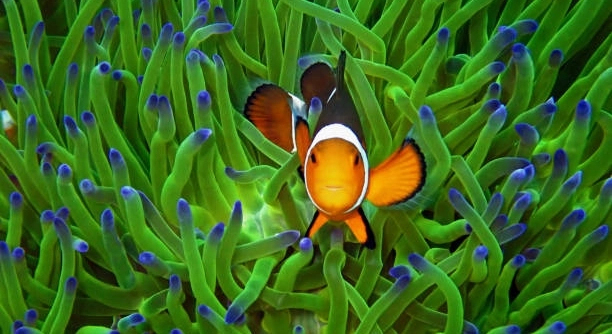
Clownfish are popular pets for marine aquarium enthusiasts. Maintaining the right environment is key to their health and vibrant colors. Temperature plays an important role in keeping clownfish comfortable and thriving in captivity.
The ideal temperature range for clownfish is between 74 and 79 degrees Fahrenheit (23 to 26 degrees Celsius). This range supports their metabolism, immune system, and breeding behavior. Temperatures outside this range may cause stress and health problems for the fish.
Proper temperature control helps create a stable home for clownfish. Understanding the best range will improve their well-being and longevity in your care.
Why Temperature Matters for Clownfish Health
Temperature directly affects a clownfish’s metabolism and immune system. When the water is too cold, their metabolism slows down, making them less active and more vulnerable to diseases. If the water is too warm, their metabolism speeds up, causing stress and a higher need for oxygen. Stress weakens their immune system and can lead to infections or other health issues. Stable temperatures help maintain normal behavior, feeding habits, and reproduction. Sudden changes in temperature can shock clownfish, making them more likely to develop illnesses or stop eating. Consistent care with proper heating equipment is essential to keep their environment safe. Monitoring water temperature regularly ensures clownfish stay healthy and active. Keeping the water within their preferred range also supports their bright colors and natural behavior, which is rewarding to observe.
Temperature stability improves clownfish health and longevity by reducing stress and disease risk in their environment.
Maintaining a steady temperature creates a comfortable habitat for clownfish, helping them grow and thrive. With the right equipment, it becomes easier to prevent health problems and support their natural rhythms. This leads to a more vibrant and active aquarium. Small investments in heaters and thermometers pay off with healthier fish. Monitoring temperature daily avoids sudden fluctuations that could cause harm. Adjustments should be gradual to prevent stress. Ensuring water quality through regular checks complements temperature control, supporting overall well-being. Keeping clownfish in ideal conditions supports breeding and natural social behaviors, making your aquarium more lively and rewarding to maintain.
Recommended Equipment for Maintaining Temperature
Using a reliable aquarium heater is essential for controlling water temperature in a clownfish tank.
Investing in a good heater with a thermostat allows precise temperature control. Heaters come in different sizes to match aquarium volumes. Choose one that fits your tank’s capacity to ensure even heating without overheating. Pair the heater with an accurate thermometer to track water temperature daily. Digital or glass thermometers are both effective, but digital ones often provide quicker readings. Placing the heater near the tank’s water flow ensures even distribution of heat. Avoid placing heaters too close to the tank walls or decorations. Some heaters have built-in safety features like automatic shut-off to prevent overheating. It’s important to regularly test and clean equipment for consistent performance. This setup helps maintain a stable environment crucial for clownfish health and behavior, minimizing stress and promoting longer life.
Signs Your Clownfish May Be Too Cold or Too Hot
Clownfish showing sluggish movement or hiding constantly could indicate the water is too cold. Rapid breathing or erratic swimming may suggest the water is too warm.
When clownfish are too cold, their metabolism slows down, causing less activity and reduced appetite. They may stay near the bottom or hide more often than usual. Their immune system weakens, making them prone to infections. On the other hand, if the water is too warm, clownfish become restless and swim rapidly to get enough oxygen. They might also lose their bright colors and show signs of stress, such as clamped fins or increased aggression. Watching their behavior closely can help catch temperature issues early. Consistent water temperature ensures they stay healthy and active.
Maintaining the right temperature range prevents these problems. Regular observation helps catch changes before they become serious. Small adjustments to the heater or cooling methods can quickly restore comfort.
Effects of Sudden Temperature Changes
Sudden changes in temperature can cause severe stress to clownfish. It disrupts their biological functions and weakens their immune defenses.
Rapid fluctuations can lead to shock, causing clownfish to become lethargic or stop eating. Their bodies struggle to adapt to quick shifts in water temperature, which increases vulnerability to diseases and infections. Such stress can shorten their lifespan and affect breeding behaviors negatively. Consistency is key; slow, gradual adjustments are much safer when changing temperature settings. Avoid turning heaters or coolers on and off frequently, as this creates unstable conditions. Using a reliable thermostat helps maintain steady temperatures and prevents accidental spikes or drops.
Stable temperature control supports healthy clownfish and a balanced aquarium environment. This reduces the risk of stress-related illnesses and improves overall fish welfare.
Ideal Temperature Range for Different Clownfish Species
Different clownfish species tolerate slightly different temperature ranges. Most thrive between 74 and 79 degrees Fahrenheit.
Species like the Percula and Ocellaris clownfish do best around 77 degrees. Some others may prefer the lower or upper ends of the range. Knowing your species helps set precise temperature targets.
How to Monitor Aquarium Temperature Accurately
Using a digital thermometer provides quick and precise temperature readings. It helps catch small changes before they cause stress. Place the thermometer in an area with good water flow to get an accurate average. Checking twice daily ensures the environment stays stable and comfortable for clownfish.
Seasonal Temperature Adjustments
Temperature may need slight adjustments in different seasons to match natural conditions. Maintaining stability remains the priority.
Small seasonal changes mimic natural habitats, but abrupt shifts should be avoided. Consistent monitoring and gradual adjustment keep clownfish healthy year-round.
FAQ
What temperature should I set my heater for clownfish?
Set your heater between 74 and 79 degrees Fahrenheit (23 to 26 degrees Celsius). Most clownfish species thrive in this range. A target near 77 degrees is often ideal, but it depends on your specific clownfish species and tank setup. Keeping the temperature stable within this range reduces stress and promotes healthy behavior.
Can clownfish survive outside the ideal temperature range?
Clownfish may survive short periods outside their ideal temperature, but prolonged exposure can cause stress and illness. Temperatures too low slow their metabolism, while too high speeds it up, both affecting their health negatively. Consistent care with steady temperature control is necessary for long-term survival.
How quickly can I change the tank temperature safely?
Change temperature gradually, no more than 1 degree Fahrenheit per day. Sudden changes can shock clownfish, leading to stress or disease. Use a reliable heater and monitor with a thermometer to adjust carefully. Slow adjustments keep fish comfortable and healthy.
What happens if the tank gets too warm?
If the tank is too warm, clownfish may become restless and swim rapidly to get enough oxygen. They can lose color, stop eating, or develop infections due to stress. High temperatures also lower oxygen levels in water, making it harder for fish to breathe.
What signs show clownfish are stressed by temperature?
Signs include hiding more than usual, loss of appetite, rapid or labored breathing, clamped fins, and dull coloration. Erratic swimming or lethargy also indicates stress. Observing behavior regularly helps detect temperature-related problems early.
Is a digital thermometer better than a glass one?
Digital thermometers provide faster, more accurate readings and often come with alarms for temperature changes. Glass thermometers work but can be slower and harder to read. Both are useful, but digital models offer greater convenience for monitoring.
How often should I check the water temperature?
Check at least twice daily, especially during seasons with fluctuating room temperatures. Frequent monitoring catches changes early and prevents problems. Consistency ensures the clownfish stay within their preferred temperature range.
Do I need a chiller for my clownfish tank?
A chiller is usually unnecessary if room temperature stays within a reasonable range. In hot climates or during summer, a chiller can help maintain stable, safe temperatures. Otherwise, air conditioning and good tank ventilation often suffice.
Can I use a heater without a thermostat?
Using a heater without a thermostat risks overheating or underheating. Thermostats maintain precise temperature control by turning the heater on and off as needed. For clownfish health, always use a heater with a reliable thermostat.
What should I do if my clownfish show signs of temperature stress?
First, measure the water temperature accurately. Adjust the heater or cooling methods slowly to bring it back into the ideal range. Improve water circulation to distribute heat evenly. If stress signs persist, check water quality and consider consulting an aquatic veterinarian.
Does water quality affect how temperature impacts clownfish?
Yes, poor water quality worsens temperature stress. Ammonia, nitrites, and nitrates can increase vulnerability to diseases, especially if temperature fluctuates. Regular water changes and filtration support healthy fish alongside proper temperature control.
Can clownfish adapt to temperatures outside the ideal range?
Clownfish can tolerate slight deviations briefly but do not adapt well to sustained extremes. Prolonged exposure to temperatures too high or too low causes stress and health problems. Maintaining stable temperatures within their natural range is critical.
Is it better to keep the tank slightly cooler or warmer within the ideal range?
Keeping the tank near the middle or slightly cooler (around 75–77°F) is often safer. Warmer temperatures may increase metabolism and oxygen demand, raising stress risk. However, species-specific preferences should guide exact settings.
How do I prevent temperature fluctuations in my clownfish tank?
Use a reliable heater with a thermostat, check temperature daily, avoid placing the tank near windows or vents, and maintain steady room temperature. Good insulation and water circulation also help keep conditions stable.
Can lighting affect tank temperature?
Yes, strong aquarium lights can raise water temperature, especially in smaller tanks. Monitor temperature closely if you use intense lighting and adjust heater settings accordingly. Consider LED lights, which produce less heat.
Are there any natural ways to regulate clownfish tank temperature?
Room temperature control and avoiding direct sunlight on the tank help maintain stable temperatures naturally. Using fans or opening windows for airflow can cool tanks without equipment, but monitoring is still needed for consistency.
What is the risk of ignoring proper temperature control for clownfish?
Ignoring temperature control leads to chronic stress, disease, color loss, and premature death. It also disrupts breeding and normal behavior. Proper temperature management is essential for a healthy, thriving clownfish environment.
Proper temperature management is one of the most important factors in keeping clownfish healthy and happy. Clownfish thrive best within a specific range, usually between 74 and 79 degrees Fahrenheit. Staying within this range supports their metabolism, immune system, and natural behaviors. When the temperature is too low or too high, clownfish can become stressed, which makes them more likely to get sick or lose their bright colors. Keeping the water temperature stable helps avoid these problems and creates a comfortable environment where clownfish can live and grow.
Using reliable equipment is key to maintaining the right temperature. A good aquarium heater with a built-in thermostat allows precise control of water temperature, preventing it from getting too hot or too cold. A digital thermometer can provide quick, accurate readings and help track any changes in the tank. Regularly checking the water temperature, especially during seasonal changes, ensures that any fluctuations are caught early and corrected before they affect the fish. Small adjustments made gradually protect clownfish from shock and stress. Consistency is important, and investing in proper tools pays off by reducing risks and promoting a healthy aquarium.
Finally, monitoring your clownfish’s behavior is a helpful way to know if the temperature is right. Signs of temperature stress include hiding, loss of appetite, rapid breathing, or dull coloration. If you notice these signs, it is important to check the water temperature immediately and make adjustments as needed. Along with temperature, maintaining good water quality and avoiding sudden changes will help keep clownfish thriving. With careful attention to temperature and the tank environment, clownfish can live longer, remain vibrant, and show their natural, lively behaviors. Proper temperature care is a simple step that greatly improves their overall health and well-being.

Hello,
If you enjoy the content that we create, please consider saying a "Thank You!" by leaving a tip.
Every little bit helps us continue crafting quality advice that supports the health, happiness, and well-being of pets around the world, for pets of all shapes, sizes, and species.
We really appreciate the kindness and support that you show us!