
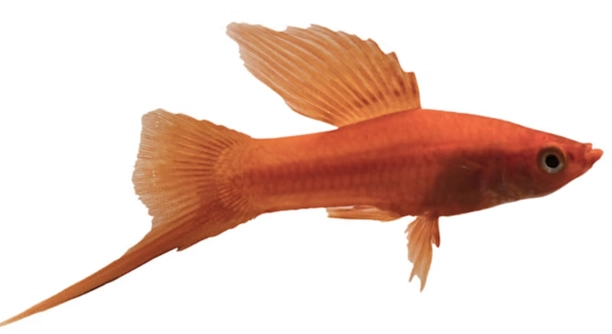
Swordtails are popular freshwater fish, and many aquarists wonder about the ideal water temperature for their well-being. Understanding their temperature preference can ensure they thrive in a healthy and comfortable environment.
Swordtails prefer a water temperature between 72°F and 82°F (22°C to 28°C). Maintaining this range is crucial for their growth, breeding, and overall health. Temperature fluctuations outside this range can lead to stress and susceptibility to diseases.
Maintaining the right water temperature for your swordtails will help create a balanced and thriving aquarium environment.
Why Temperature Matters for Swordtails
The water temperature in your aquarium plays a crucial role in swordtail health. If the temperature is too high or too low, swordtails can become stressed, which impacts their immune system and makes them more prone to disease. These fish are most comfortable in stable conditions, and sudden fluctuations can cause shock. A steady, optimal temperature range supports their natural behavior, such as eating and breeding. Healthy swordtails are more active, vibrant, and are less likely to develop health issues. Maintaining a consistent temperature also prevents any discomfort that may come from drastic changes.
A temperature range of 72°F to 82°F (22°C to 28°C) is ideal for swordtails, providing them with the best chance to thrive in your tank. Consistency is key.
Water heaters with thermostats are essential in keeping the temperature regulated. When shopping for one, choose a reliable model designed for your aquarium’s size. Using a thermometer to monitor the temperature regularly is also a good practice. Swordtails are sensitive to extreme heat, so never let the temperature exceed 82°F, as it can negatively affect their metabolism and overall health. If the temperature is too low, swordtails may become lethargic, and their immune system could weaken, making them more vulnerable to infections.
How to Maintain Stable Temperature
It is important to invest in a good-quality aquarium heater.
Aquarium heaters are necessary to maintain stable temperatures, especially during colder months. They provide consistent warmth, preventing drastic drops in temperature that can stress your swordtails. A high-quality heater will help maintain the ideal range even in fluctuating room temperatures. Be sure to choose a heater with the proper wattage based on the size of your aquarium. Regularly check the water temperature to avoid overheating or underheating, as both conditions can harm the fish. Keeping the tank away from drafts or direct sunlight will also help in maintaining the temperature balance. With proper monitoring and the right equipment, your swordtails will have the best environment to flourish.
Effects of Temperature Fluctuations
Temperature fluctuations can be harmful to swordtails, especially when they are drastic. Swordtails are sensitive to sudden changes, which can lead to stress. This stress weakens their immune system and can make them more susceptible to diseases. It can also interfere with their breeding behavior, leading to poor reproductive success.
To minimize temperature fluctuations, it is important to have a reliable heater and thermometer. Regularly monitor the aquarium’s temperature to ensure it remains stable. Avoid placing the tank near windows, doors, or any areas prone to drafts. Keep the heater’s settings consistent and check the aquarium regularly, especially during seasonal changes. Sudden shifts can cause discomfort, reduce activity, and lower the fish’s overall health.
If you notice any signs of distress, like lethargy or erratic swimming, it’s a clear indicator that the temperature might be fluctuating too much. Ensuring the water temperature stays constant will help your swordtails feel secure and remain healthy in their environment.
Temperature and Swordtail Growth
Water temperature affects how quickly swordtails grow.
In warmer conditions, swordtails tend to grow faster and reach their full size sooner. The right temperature encourages better digestion, nutrient absorption, and overall health. If the temperature is too low, their growth rate slows down, and they might not reach their potential size. It’s important to maintain the optimal range for healthy growth.
Swordtails raised in stable, warm water tend to develop vibrant colors and stronger immune systems. Inadequate temperatures can stunt growth and lead to developmental issues, such as slower maturation or weaker physical traits. Keeping swordtails in their preferred temperature range ensures they grow into healthy adults, capable of thriving in an aquarium. Regular monitoring of the water temperature, combined with proper feeding and care, ensures optimal growth.
Temperature and Swordtail Breeding
Swordtails breed best in warm water.
Maintaining a stable, warm temperature encourages swordtail reproduction. When the temperature is within the ideal range, swordtails are more likely to breed successfully. Fluctuating or cold temperatures can delay or prevent breeding, leading to fewer offspring.
If your swordtails are not breeding, it’s worth checking the water temperature. A temperature of around 78°F (25°C) is typically ideal for encouraging breeding behavior. Swordtails also prefer a well-planted aquarium, providing cover for the fry. Keeping the water clean and the temperature stable will encourage successful reproduction and healthy offspring.
Signs of Temperature Stress
Swordtails show signs when they are stressed.
Signs of temperature stress in swordtails include erratic swimming, lethargy, and loss of color. If the water is too hot or too cold, swordtails will exhibit these behaviors. When the water temperature is consistent, they are usually more active and vibrant. It’s important to address any temperature issues quickly to prevent long-term harm.
Monitoring Water Temperature
Consistent monitoring is key to keeping swordtails healthy.
Regularly checking the water temperature with a thermometer ensures that it stays within the ideal range. This helps prevent any sudden changes that could harm your swordtails. Most aquariums come with built-in thermostats, but an additional thermometer can give you an accurate reading of the water temperature at all times. Temperature fluctuations are often unnoticed without frequent monitoring.
FAQ
What happens if the water temperature is too high for swordtails?
If the water temperature gets too high, swordtails can experience stress, which affects their health. High temperatures increase their metabolism, causing them to require more oxygen. This can lead to oxygen depletion in the tank. Overheated swordtails may swim erratically, lose color, or become lethargic. In extreme cases, high temperatures can result in death. It’s important to keep the water temperature within the recommended range to avoid these risks.
Can swordtails live in cooler water?
Swordtails can tolerate cooler water for short periods, but they do best in a stable range between 72°F and 82°F (22°C to 28°C). If the water is too cool, swordtails may become sluggish, lose their appetite, or have a weakened immune system. Prolonged exposure to low temperatures can lead to health issues, including susceptibility to disease and slower growth rates.
How can I tell if the water temperature is too cold for my swordtails?
Swordtails will show signs of distress if the water is too cold. They may become lethargic, stop swimming, or hover near the bottom of the tank. If the temperature is consistently too low, swordtails can become more susceptible to illnesses. Their color may also fade, and they may not eat as much.
What is the best water temperature for breeding swordtails?
Swordtails breed best when the water temperature is around 78°F (25°C). Keeping the temperature within this range encourages successful breeding behavior. When the water is too cold or too hot, swordtails may delay or even stop breeding. A stable temperature, combined with a well-planted aquarium, creates the ideal environment for breeding.
Can I use a regular thermometer to measure water temperature for swordtails?
Yes, a regular aquarium thermometer will work just fine. It’s important to choose one that is specifically designed for aquarium use, as it will give you an accurate and reliable reading. There are different types of thermometers available, including stick-on, digital, and floating models. Choose one that suits your needs and ensure that it’s easy to read and accurate.
How do I maintain a consistent temperature for my swordtails?
The best way to maintain a consistent temperature is by using a reliable aquarium heater with a built-in thermostat. Make sure the heater is sized appropriately for your tank and that it’s rated for the volume of water you have. Regularly monitor the temperature with a thermometer to ensure it stays within the ideal range. Additionally, avoid placing the tank near windows, doors, or heating/cooling vents, as these can cause temperature fluctuations.
Can swordtails tolerate fluctuating water temperatures?
Swordtails are sensitive to sudden temperature changes, and fluctuating water temperatures can cause stress. This stress weakens their immune system and makes them more susceptible to diseases. They prefer stable conditions, and sudden shifts in temperature, whether up or down, can cause lethargy, loss of color, or even death if not corrected quickly.
Do swordtails need a heater in their tank?
Yes, swordtails benefit from having a heater in their tank, especially if the room temperature is cooler than their ideal range. A heater helps maintain a consistent temperature, ensuring that swordtails stay comfortable and healthy. Without a heater, it can be difficult to maintain the proper water temperature, which may lead to stress or illness for the fish.
Is it necessary to adjust the water temperature in winter for swordtails?
During the colder months, the water temperature in your tank can drop, especially if your home gets chilly. Swordtails are tropical fish and require warmer water to thrive. If the room temperature drops below their preferred range, it’s important to adjust the aquarium’s temperature by using a heater. This helps prevent cold stress and keeps the fish healthy.
How can I prevent overheating in my swordtail tank?
Overheating can happen if the aquarium is exposed to direct sunlight or if the heater is malfunctioning. To prevent this, place your tank in a location away from windows and heaters. Make sure the heater is functioning properly and set to the correct temperature. It’s also a good idea to monitor the water temperature regularly to ensure it doesn’t rise above the recommended range.
Do swordtails need a temperature gradient in their tank?
Swordtails do not require a temperature gradient, as they prefer stable conditions throughout the tank. Unlike some fish species, they don’t need a warm and cool zone in the tank. Keeping the entire tank at a consistent temperature helps them feel secure and reduces stress.
What should I do if the water temperature goes too high or low?
If the water temperature becomes too high or too low, it’s important to act quickly. For high temperatures, remove the tank from direct heat sources, such as sunlight or nearby heaters. You can also perform a water change with cooler water to lower the temperature. For low temperatures, increase the heater’s setting gradually to avoid shocking the fish. If necessary, use a separate heater to warm up the tank more efficiently.
How do I know if my heater is working properly?
You can check if your heater is working by monitoring the water temperature regularly with a thermometer. If the water isn’t staying within the desired range, the heater may not be functioning properly. Ensure that the heater is correctly sized for your aquarium and that it’s placed in the proper position. If it’s still not maintaining the right temperature, consider replacing it.
Is it safe to use a submersible heater for swordtails?
Yes, a submersible heater is safe for swordtails as long as it’s designed for aquarium use. Submersible heaters are effective in maintaining a consistent temperature throughout the tank. Ensure that the heater is fully submerged and follow the manufacturer’s guidelines for installation and use. Always monitor the water temperature to make sure it stays within the ideal range.
Final Thoughts
Maintaining the right water temperature for swordtails is essential for their health and well-being. Swordtails are tropical fish that thrive in stable, warm water. The ideal temperature range for them is between 72°F and 82°F (22°C to 28°C). When kept within this range, swordtails will show their best colors, be more active, and breed successfully. Temperature fluctuations, whether too high or too low, can lead to stress, illness, and a weakened immune system. By keeping the water temperature consistent, you can ensure that your swordtails live long, healthy lives.
One of the easiest ways to maintain a stable temperature is by using a reliable aquarium heater. A good heater will keep the water in the desired range, even as the room temperature changes. It’s important to choose a heater that matches the size of your aquarium and to monitor the water temperature regularly. A thermometer placed in the tank will help you track any changes. In addition, avoid placing the tank in areas with direct sunlight or near heating and cooling vents, as these can cause temperature fluctuations.
In summary, swordtails are relatively easy to care for, but they do require attention to water conditions, especially temperature. By ensuring that the water remains within the right temperature range, swordtails can thrive in your aquarium. With proper care and maintenance, they will remain vibrant and healthy, adding beauty to your tank. Regular monitoring and maintaining stable conditions will also help you avoid problems related to temperature stress. Keeping your swordtails in the ideal environment ensures a better chance of successful breeding and overall well-being.

Hello,
If you enjoy the content that we create, please consider saying a "Thank You!" by leaving a tip.
Every little bit helps us continue crafting quality advice that supports the health, happiness, and well-being of pets around the world, for pets of all shapes, sizes, and species.
We really appreciate the kindness and support that you show us!