
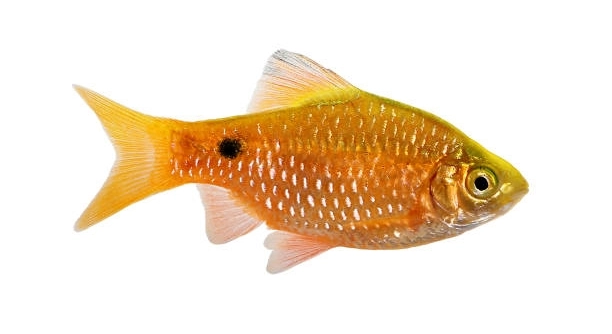
Rosy Barbs are popular freshwater fish known for their vibrant colors and lively behavior in home aquariums. Many fish keepers want to ensure these fish live comfortably by maintaining the right environment. Temperature plays a key role in their well-being and activity levels.
Rosy Barbs prefer a water temperature range between 64°F and 72°F (18°C to 22°C). Maintaining this temperature range supports their health, encourages active swimming, and helps prevent stress-related illnesses commonly caused by unsuitable water conditions.
Understanding the ideal temperature helps create a stable and healthy habitat for Rosy Barbs. This knowledge supports better care and improves their overall lifespan in captivity.
Why Temperature Matters for Rosy Barbs
Water temperature directly affects the metabolism, immune system, and overall behavior of Rosy Barbs. When kept in water that is too cold, their activity slows down, making them less lively and more vulnerable to diseases. Conversely, water that is too warm can increase their metabolism excessively, causing stress and shortening their lifespan. Stable temperatures help maintain a healthy balance in their environment. Sudden temperature changes can shock the fish, leading to illness or death. Consistent temperature control supports proper digestion and encourages natural behaviors, such as schooling and breeding. Keeping the water within the ideal range promotes vibrant colors and enhances their energy levels, making them enjoyable to watch. Proper heating or cooling equipment, combined with regular monitoring, ensures the aquarium remains within these safe limits. This reduces the risk of temperature-related health issues and creates a comfortable space for Rosy Barbs to thrive.
Maintaining stable temperature is critical for their long-term health and well-being.
Keeping the water temperature stable prevents stress and supports normal growth. It also reduces the chance of bacterial infections and other health problems caused by temperature fluctuations. Regular checks and using reliable aquarium heaters or chillers can help maintain this consistency.
How to Maintain the Ideal Temperature
Using a quality aquarium heater with an accurate thermostat is essential for keeping the temperature within the preferred range. Position the heater where water flow is strong to ensure even heat distribution throughout the tank. For cooler climates, additional insulation or a tank cover can help prevent heat loss. It is important to check the temperature daily using a reliable thermometer to avoid surprises. In warmer areas, using a fan or aquarium chiller might be necessary to keep temperatures from rising too high. Avoid placing the tank near direct sunlight or heat sources that can cause temperature spikes. Regular maintenance and monitoring help avoid drastic temperature changes, which can be harmful. Adjusting equipment settings gradually allows Rosy Barbs to adapt without stress. Consistency in temperature management is key to maintaining a healthy environment for your fish.
Monitoring and adjusting equipment regularly ensures the temperature stays within safe limits, supporting fish health.
Temperature control involves understanding seasonal changes and making adjustments accordingly. For example, in winter, the heater may need to run continuously, while in summer, cooling methods might be necessary. Always observe your fish for signs of discomfort, such as lethargy or erratic swimming, which can indicate temperature issues. Preparing for temperature fluctuations before they happen helps maintain a stable aquarium environment. Using timers or automated controllers can simplify temperature regulation. Keeping a temperature log can also help identify patterns and improve control. A well-maintained temperature system allows Rosy Barbs to remain healthy and active throughout the year.
Common Temperature-Related Issues
Temperature fluctuations often cause stress in Rosy Barbs, leading to weakened immune systems and increased vulnerability to infections. Sudden changes, even just a few degrees, can trigger these problems.
When the temperature drops too low, Rosy Barbs may become lethargic, eat less, and hide more often. Cold water slows their metabolism and can cause digestive issues. In warmer water, their metabolism speeds up, which increases oxygen demand and can cause exhaustion. If the water is consistently too warm, it also encourages harmful bacteria and parasites, increasing the risk of disease. Both extremes make the fish less active and can shorten their lifespan. Preventing these issues involves careful temperature monitoring and quick action if the water temperature strays from the ideal range.
Stress from improper temperatures may also lead to poor coloration and stunted growth in Rosy Barbs. They rely on stable conditions to maintain health and vibrant appearance. Sudden shifts can cause long-term harm, so consistency is vital.
Tips for Monitoring Aquarium Temperature
Using a digital thermometer with a clear display helps maintain accurate temperature readings. Place it where you can easily check without disturbing the fish. Monitoring daily is important to catch changes early. Consistency ensures a healthy environment.
Regularly checking the temperature allows you to catch potential problems before they become serious. Look for patterns like temperature drops at night or spikes during the day. Adjust heater settings or cooling methods based on these observations. Keep a record to track changes over time. This helps with making informed decisions about your aquarium setup. Proper monitoring helps maintain steady conditions, supporting your fish’s health and behavior. Small adjustments can prevent big problems in the long run.
Best Temperature Range for Rosy Barbs
The ideal temperature range for Rosy Barbs is 64°F to 72°F (18°C to 22°C). Staying within this range ensures they remain active and healthy without stress.
Temperatures outside this range can cause health problems and reduce their lifespan. Consistency is key for their well-being.
Effects of Temperature on Breeding
Rosy Barbs breed best when the water temperature is stable and slightly warmer, around 70°F to 72°F (21°C to 22°C). This warmth encourages spawning and improves the chances of egg fertilization. Maintaining clean water and good nutrition also supports successful breeding. Too cold or unstable temperatures can prevent breeding altogether.
Seasonal Temperature Adjustments
Adjusting the tank temperature during seasonal changes helps mimic natural conditions. This keeps Rosy Barbs comfortable year-round.
Using Aquarium Equipment for Temperature Control
Reliable heaters and thermometers are essential for maintaining the right temperature. Regular equipment checks prevent surprises.
FAQ
What happens if the water temperature is too low for Rosy Barbs?
When the temperature drops below their preferred range, Rosy Barbs slow down significantly. Their metabolism decreases, causing reduced activity and appetite. This can lead to weakened immune systems, making them more prone to illnesses. Prolonged exposure to cold water may cause digestive issues and increase the risk of infections. The fish may also become lethargic and hide more often, which is a sign of stress.
Can Rosy Barbs survive in temperatures above 72°F (22°C)?
Rosy Barbs can tolerate slightly higher temperatures for short periods, but prolonged exposure to water above 72°F can be harmful. Warm water increases their metabolism, causing them to use more oxygen and energy. This can lead to exhaustion, stress, and a higher risk of bacterial or parasitic infections. It is important to keep the temperature stable and avoid sudden spikes to protect their health.
How quickly should I adjust the aquarium temperature?
Any temperature changes should be made gradually, ideally over several hours or even days. Sudden changes can shock Rosy Barbs, causing stress or even death. Use a reliable heater or chiller to control temperature slowly and steadily. Monitoring the temperature during adjustments ensures it stays within the safe range.
Is it necessary to have a heater for Rosy Barbs?
In most home aquariums, a heater is necessary to maintain a stable temperature within the ideal range. Room temperatures fluctuate and can easily drop below what Rosy Barbs need. A heater with a thermostat helps keep the water consistent, preventing temperature shocks and stress.
How often should I check the aquarium temperature?
Daily temperature checks are recommended to catch any fluctuations early. Use an accurate digital thermometer placed in a visible spot. This routine helps you act quickly if the temperature moves outside the preferred range, keeping your fish safe and healthy.
What type of thermometer is best for monitoring temperature?
Digital thermometers with clear displays are the easiest to read and most accurate. Stick-on thermometer strips can be less precise and harder to monitor consistently. A good thermometer placed inside or just outside the tank helps track temperature changes effectively.
Can Rosy Barbs live without a heater in warmer climates?
In consistently warm climates where room temperature stays within the 64°F to 72°F range, a heater may not be necessary. However, it is important to monitor temperatures regularly. Even slight drops at night or during weather changes can stress the fish. Using a heater provides more control and stability.
How do I know if temperature is stressing my Rosy Barbs?
Signs of temperature stress include sluggishness, loss of appetite, hiding, and faded colors. Erratic swimming or gasping near the surface may also indicate problems. If you notice these behaviors, check the water temperature immediately and adjust as needed.
What can I do if my aquarium temperature fluctuates too much?
First, identify the cause—poor heater performance, location near drafts, or direct sunlight can cause fluctuations. Move the tank away from temperature extremes and consider adding insulation or a cover. Upgrading to a better heater or adding a chiller for hot climates can also help maintain stable conditions.
Is it okay if the temperature varies a little throughout the day?
Small daily variations within one or two degrees are usually safe if changes are gradual. Rosy Barbs can adapt to minor shifts if they happen slowly. Rapid or large fluctuations, however, can cause stress and health issues, so aim to keep the temperature as stable as possible.
How does temperature affect the behavior of Rosy Barbs?
Within the ideal temperature range, Rosy Barbs are active, energetic, and display bright colors. If the water is too cold, they may become sluggish and less social. If too warm, they may become restless and show signs of stress. Stable temperatures help them swim normally and interact with other fish.
Can temperature affect the lifespan of Rosy Barbs?
Yes, maintaining the proper temperature range supports longer life and better health. Improper temperatures, especially prolonged exposure to extremes, can shorten their lifespan by increasing stress and susceptibility to diseases. Stable and suitable water conditions are essential for their longevity.
Should I adjust the temperature for breeding Rosy Barbs?
Raising the temperature slightly, around 70°F to 72°F (21°C to 22°C), encourages spawning. Warmer water triggers breeding behavior and helps eggs develop properly. However, temperature changes for breeding should be gradual and carefully monitored to avoid stressing the fish.
What is the best way to prepare for seasonal temperature changes?
Anticipate colder or hotter months by adjusting your aquarium setup ahead of time. In winter, ensure your heater can maintain warmth even during cold nights. In summer, provide cooling options like fans or chillers to prevent overheating. Monitoring and adjusting early keeps the environment stable for Rosy Barbs.
Are there any natural signs in Rosy Barbs that indicate temperature discomfort?
Yes, besides lethargy or hiding, Rosy Barbs may show rapid gill movement or stay near the surface seeking oxygen if the temperature is too high. Pale or dull colors and reduced schooling behavior can also signal discomfort. Observing these signs helps catch issues early.
Can I use room temperature as a guide for aquarium temperature?
Room temperature can give a rough idea but is not reliable enough for maintaining ideal water conditions. Rooms can have significant temperature swings, especially at night. Using proper aquarium heaters, chillers, and thermometers ensures the water stays in the safe range regardless of room conditions.
Maintaining the right water temperature is essential for keeping Rosy Barbs healthy and active. Their preferred range between 64°F and 72°F (18°C to 22°C) helps support their metabolism, immune system, and natural behaviors. When the temperature stays within this range, Rosy Barbs tend to be more vibrant and lively. Sudden or extreme changes can cause stress, making them more vulnerable to illness. Stable water conditions also encourage better feeding habits and help avoid common problems like lethargy or poor coloration. Overall, controlling the temperature carefully contributes to the fish’s well-being and longevity.
Setting up reliable equipment is an important part of maintaining temperature stability. A quality heater with a thermostat allows precise control of the water temperature, while a good thermometer helps monitor it regularly. Placing the heater where water flow is strong helps keep the temperature even throughout the tank. In warmer climates, additional cooling methods like fans or chillers may be needed to prevent overheating. Checking the temperature daily and making gradual adjustments helps avoid sudden shocks that could harm the fish. Consistent care and attention to temperature also improve the chances of successful breeding and a thriving aquarium environment.
It is important to remember that small fluctuations within a degree or two are normal and usually safe if they happen slowly. Rosy Barbs can adapt to minor changes, but large or sudden swings can cause stress and health issues. Preparing for seasonal changes by adjusting equipment and monitoring conditions helps maintain a steady environment year-round. Observing the fish’s behavior can also provide clues about temperature problems early on. Keeping the water temperature stable and within the recommended range is one of the best ways to ensure Rosy Barbs stay healthy, active, and colorful in your aquarium.

Hello,
If you enjoy the content that we create, please consider saying a "Thank You!" by leaving a tip.
Every little bit helps us continue crafting quality advice that supports the health, happiness, and well-being of pets around the world, for pets of all shapes, sizes, and species.
We really appreciate the kindness and support that you show us!