
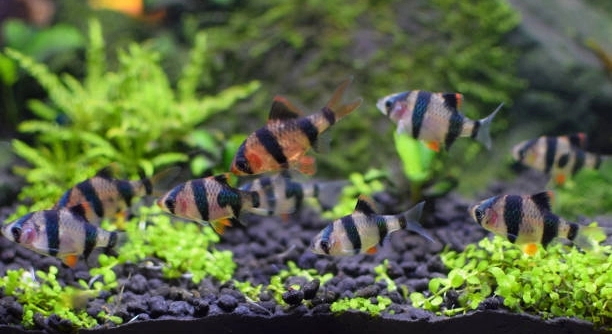
Do your tiger barbs seem restless or cramped in their current tank, making you wonder if they need more space to thrive?
The best tank size for tiger barbs is a minimum of 20 gallons, ideally larger, to accommodate their active nature and social behavior. This allows them enough room to swim freely and reduces territorial aggression.
Proper tank size supports healthier interactions, reduces stress, and improves the overall well-being of your tiger barbs in a home aquarium.
Why Tank Size Matters for Tiger Barbs
Tiger barbs are energetic fish that thrive in groups, which means they need plenty of room to swim and interact. Keeping them in a small tank can lead to stress, aggression, and poor health. A 20-gallon tank is the absolute minimum for a small group, but a larger size is always better. A spacious tank allows them to establish a social hierarchy and reduces fin-nipping behaviors. Their high activity level also demands open swimming space and hiding spots. Proper tank size not only supports their health but also gives you a more peaceful and visually appealing setup.
A cramped tank increases stress and triggers aggressive behavior, especially in smaller groups. The added space supports group dynamics and a stable environment.
Larger tanks are easier to maintain when it comes to water quality. Waste builds up slower in bigger volumes of water, which helps prevent ammonia spikes. Tiger barbs are sensitive to poor water conditions, so stability is essential. Adding plants, rocks, and driftwood also becomes easier with more space, giving your tiger barbs areas to explore and hide. These additions help them feel secure, reduce anxiety, and promote natural behavior. In short, tank size plays a key role in keeping your fish healthy and active.
Choosing the Right Tank Setup
Tiger barbs need at least six fish per group to feel secure and reduce aggression.
A 20-gallon tank works if you’re keeping only six tiger barbs and minimal tank mates, but 30 gallons or more is recommended for better results. If you plan to keep a larger group or add other species, upgrade to a bigger tank. Long tanks are better than tall ones since tiger barbs swim horizontally. Use a filter rated for a slightly larger tank than you own, since these fish produce a fair amount of waste. Include real or artificial plants along with rocks and wood to create hiding spots. Open swimming space is just as important, so avoid overcrowding the tank with decorations. Keep the water temperature between 74–79°F and maintain good water movement. Test water regularly to ensure nitrate, ammonia, and pH levels remain within a safe range. A proper setup helps reduce stress and keeps your tiger barbs active and social.
How Many Tiger Barbs Can You Keep Together?
Tiger barbs are schooling fish and do best in groups of at least six. Fewer than that can lead to stress and aggressive behavior, especially toward tank mates or weaker fish in the group.
Keeping a group of six tiger barbs in a 20-gallon tank is possible, but it leaves little room for tank mates or extra decor. A larger group of eight to ten tiger barbs will need a 30-gallon tank or bigger. When kept in proper numbers, their aggression is usually directed toward each other in harmless ways, reducing the risk to other fish. This keeps their social behavior healthy and balanced. Larger groups also make your aquarium more lively and colorful. The fish feel safer, less stressed, and display more natural movement patterns when surrounded by their own kind.
As the group size increases, so should the tank size. Overcrowding can lead to poor water quality and stress. For each additional tiger barb beyond the initial six, add around two to three gallons of space per fish. So, if you plan to keep ten tiger barbs, a 30 to 40-gallon tank is best. Always ensure your filter can handle the bio-load, as more fish produce more waste. Add hiding spots and open areas to help manage group dynamics and reduce tension.
Can You Keep Tiger Barbs With Other Fish?
Tiger barbs can live with other fish, but they are known to nip fins and bully slow-moving or long-finned tank mates.
Choose active, similarly sized fish that can handle a bit of chasing. Good options include zebra danios, cherry barbs, loaches, or rainbowfish. Avoid angelfish, guppies, or bettas, as they often become targets. Add tank mates only when your tiger barb group is settled and showing stable behavior. Introducing new fish into an unstable group can cause unnecessary stress or conflict. Keep an eye on interactions during the first few days. Rearranging tank decor can help reduce territorial issues when adding new fish. Maintain consistent water conditions suitable for all species in the tank. Feeding a variety of foods can also distract from aggression and improve overall behavior. When done carefully, tiger barbs can coexist with others, creating a vibrant and active community tank.
What Happens If the Tank Is Too Small?
A small tank can increase stress levels and trigger aggressive behavior in tiger barbs. They may start chasing or nipping at each other constantly, leading to injuries and weakened immune systems.
Poor water quality also becomes a problem faster in small tanks. Waste builds up quickly, creating unsafe conditions for your fish.
Do Tiger Barbs Grow Based on Tank Size?
Tiger barbs do not grow based on tank size, but limited space can affect their health and development. In a cramped tank, they may become stressed, which weakens their immune system and stunts natural growth. Smaller tanks also make it harder to maintain proper water quality, which further impacts their health. In ideal conditions, tiger barbs typically grow to around 2.5 to 3 inches. A proper tank size helps support that growth by allowing for enough swimming room, stable water parameters, and better oxygen levels. Healthy tiger barbs are active, brightly colored, and social, which is easier to maintain in a spacious tank.
Can Tiger Barbs Live Alone?
Tiger barbs should not live alone. They are social fish that need a group to feel secure and display natural behavior.
How often should I clean the tank for tiger barbs?
Regular maintenance is important to keep the tank healthy for tiger barbs. Partial water changes of about 25% should be done weekly to remove waste and keep nitrate levels low. Cleaning the substrate and removing leftover food helps prevent toxins from building up. Filters should be checked monthly and rinsed in tank water to preserve beneficial bacteria. Avoid cleaning everything at once, as this can disrupt the biological balance. Maintaining good water quality reduces stress and disease risks for your fish.
What temperature is best for tiger barbs?
Tiger barbs thrive in water temperatures between 74°F and 79°F (23°C to 26°C). Keeping the temperature stable within this range helps maintain their metabolism and activity levels. Sudden changes or extremes can stress them and make them more vulnerable to illness. Using a reliable aquarium heater with a thermostat is the best way to maintain consistent warmth.
Are tiger barbs aggressive to all fish?
Tiger barbs can show aggression mainly toward slower or long-finned fish due to their active and nippy nature. They tend to nip fins as part of establishing dominance. However, if kept in proper groups with enough space and suitable tank mates, their aggression is reduced. Choosing fast, similarly sized fish helps create a balanced community tank.
Can tiger barbs live with shrimp or snails?
Shrimp and snails are often at risk in a tiger barb tank because tiger barbs may see them as food or annoyances. While some larger or faster shrimp species might survive, many smaller or slower ones get chased or eaten. Snails with hard shells can sometimes coexist but may also face harassment. If you want invertebrates, it’s best to keep them in a separate tank or be prepared for losses.
What do tiger barbs eat?
Tiger barbs are omnivores and eat a variety of foods. High-quality flakes or pellets designed for tropical fish provide basic nutrition. Supplement their diet with frozen or live foods like bloodworms, brine shrimp, and daphnia to encourage natural foraging behavior. Including vegetable matter, such as blanched spinach or spirulina flakes, supports their health. Feeding small amounts twice daily helps maintain good condition without polluting the water.
How often do tiger barbs breed?
Tiger barbs breed fairly easily in home aquariums under the right conditions. When healthy and mature, they can spawn every few weeks. They scatter eggs among plants or gravel and do not guard the eggs. To improve breeding success, separate adults from fry to prevent egg predation. Stable water quality, proper diet, and a slightly warmer temperature encourage breeding.
Do tiger barbs need a special type of filter?
Tiger barbs produce moderate waste, so a filter rated for a tank larger than the actual size is recommended. Canister filters, hang-on-back filters, or sponge filters can all work well if they provide good mechanical and biological filtration. Avoid strong currents since tiger barbs prefer moderate water flow. Proper filtration helps keep the tank clean and water parameters stable.
Can tiger barbs jump out of the tank?
Yes, tiger barbs are known to jump, especially when stressed or startled. It is important to have a secure lid or cover on the tank to prevent escapes. Even small gaps can allow them to jump out. Keeping the tank environment stable and reducing sudden disturbances helps minimize jumping behavior.
How long do tiger barbs live?
With proper care, tiger barbs typically live between 5 and 7 years. Good water quality, a balanced diet, and an appropriate tank size all contribute to their lifespan. Stress, poor nutrition, or unsuitable tank mates can shorten their life expectancy.
What signs show that tiger barbs are stressed?
Stress in tiger barbs can show as faded color, hiding more than usual, reduced appetite, or constant chasing and aggression. Clamped fins and erratic swimming are also signs. Addressing water quality, tank size, and social conditions usually improves their behavior quickly.
Choosing the right tank size for tiger barbs is important to ensure they live healthy, active lives. These fish are naturally energetic and social, so they need enough space to swim freely and interact with their group. A minimum of 20 gallons is necessary for a small group, but larger tanks offer more benefits. Bigger tanks help reduce stress, lower aggression, and make it easier to maintain clean water. Without enough room, tiger barbs can become aggressive and unhealthy. A proper tank size helps create a balanced environment where your fish can thrive.
Tank size also affects the overall health and behavior of tiger barbs. When given enough space, they display natural swimming patterns and social behavior, which makes the aquarium more enjoyable to watch. In cramped conditions, their movements become limited, and aggression can increase as they compete for territory. Water quality is easier to manage in larger tanks because waste is diluted more effectively, reducing the risk of toxins building up. This stable environment lowers stress and the chance of illness. By investing in an appropriately sized tank, you help support the long-term health of your fish.
Lastly, the right tank setup goes beyond just size. Including hiding places like plants and decorations along with open swimming areas helps reduce conflict and provides security for tiger barbs. Keeping them in groups of six or more encourages natural social behavior and reduces fin-nipping. Regular maintenance, proper filtration, and monitoring water conditions are all part of responsible care. Meeting these needs improves their quality of life and allows them to live vibrant, active lives. Understanding the importance of tank size and environment makes a big difference for tiger barbs and their keepers alike.

Hello,
If you enjoy the content that we create, please consider saying a "Thank You!" by leaving a tip.
Every little bit helps us continue crafting quality advice that supports the health, happiness, and well-being of pets around the world, for pets of all shapes, sizes, and species.
We really appreciate the kindness and support that you show us!