
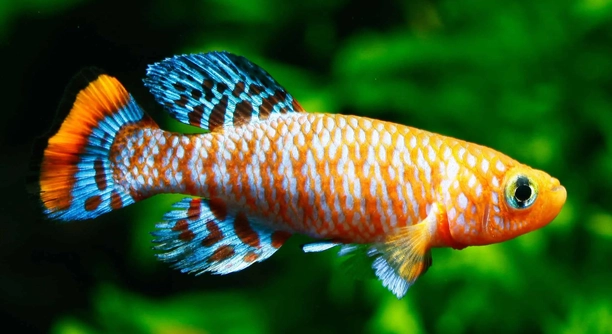
Killi fish are small, colorful freshwater fish often kept by hobbyists for their unique appearance and behavior. Choosing the right substrate is important for their health and for maintaining a balanced aquarium environment. Many aquarists seek guidance on the best materials to use in their tanks.
The best substrate for killi fish is a fine, soft substrate like sand or smooth gravel. These substrates mimic their natural habitat, reduce stress, and support beneficial bacteria growth. Avoid sharp or coarse materials that may harm the fish or damage eggs.
Selecting the proper substrate helps create a comfortable and safe space for your killi fish, enhancing their well-being and tank aesthetics. This article will explore the options and explain why substrate choice matters.
Choosing the Right Substrate for Killi Fish
Selecting the proper substrate is essential for keeping killi fish healthy and comfortable. Fine sand or smooth gravel works best because it closely resembles their natural environment. These substrates prevent injury to their delicate fins and skin. Coarse or sharp gravel can cause harm and stress, which may affect their behavior and breeding success. Additionally, a soft substrate supports the growth of beneficial bacteria that help break down waste. This natural filtration keeps the water cleaner for longer periods. Avoid substrates with large particles, as they can trap debris and cause water quality issues. Some hobbyists use specialized aquarium soil, which can provide nutrients for live plants while maintaining a soft surface. However, make sure the substrate does not alter the water chemistry too drastically. Overall, choosing a gentle and clean substrate supports the well-being and longevity of your killi fish, making tank maintenance easier and more effective.
Substrate choice impacts not only the fish but also the tank’s overall ecosystem balance and cleanliness.
Using the right substrate can improve egg survival rates since killi fish often lay eggs on or near the substrate. A fine surface makes it easier for eggs to attach and remain safe from being dislodged. Live plants anchored in a soft substrate offer shelter and hiding spots for fry (young fish). This encourages natural behavior and reduces stress. Clean substrates also reduce harmful bacteria buildup, which can cause diseases. Regular gentle cleaning helps maintain substrate health without disturbing the fish. By paying attention to the substrate, you create a more natural, stable environment that supports all stages of your killi fish’s life.
Maintenance Tips for Substrate in Killi Fish Tanks
Keeping the substrate clean is key to a healthy tank environment.
Regularly siphoning debris from the substrate surface prevents waste buildup that can harm water quality. Use a gentle vacuum or siphon designed for fine sand or gravel to avoid disturbing the substrate too much. Avoid over-cleaning, which can remove beneficial bacteria colonies important for breaking down organic matter. Weekly partial water changes combined with light substrate cleaning maintain balance. If you have live plants, take care not to uproot them during cleaning. Testing water parameters often helps detect problems early and adjust care routines accordingly. A well-maintained substrate supports both fish health and tank clarity, making your aquarium a better space for killi fish to thrive.
Best Substrate Materials for Killi Fish
Sand is one of the most recommended substrates for killi fish because it is soft and easy to clean. It mimics their natural habitat well.
Fine, smooth sand prevents injuries to the fish’s delicate fins and skin. It also allows eggs to settle safely without being damaged. Sand doesn’t trap too much debris, making maintenance easier. Some aquarists prefer inert sand that won’t change water chemistry, keeping conditions stable. When cleaned gently, sand supports beneficial bacteria growth, which helps maintain water quality. Avoid sharp or coarse sand, as it can cause stress or harm to the fish.
Gravel is another option but should be chosen carefully. Smooth, small-sized gravel works best, avoiding rough textures. Gravel provides good anchorage for live plants, which help oxygenate the tank and provide hiding spots. However, gravel may trap more debris than sand, so frequent cleaning is necessary. Both sand and gravel substrates have pros and cons, but softness and cleanliness remain the most important factors for killi fish health.
Using Live Plants with Substrate
Live plants add natural beauty and improve water quality by absorbing nitrates and providing oxygen. They also offer shelter for shy killi fish.
A nutrient-rich substrate helps plants grow strong roots. Using aquarium soil or mixing fine sand with organic substrates supports plant health. Choose plants that thrive in soft substrates, such as Java moss or Anubias. These plants don’t require deep rooting and can attach to decorations or driftwood. Avoid heavy substrates that compact easily, as this can suffocate roots. Plant roots help stabilize the substrate, reducing debris buildup. Healthy plants contribute to a balanced tank environment, making it easier to maintain clean water for your killi fish.
Avoiding Harmful Substrates
Sharp or rough substrates can injure killi fish, causing stress and infections. Avoid crushed coral, large gravel, or anything with jagged edges.
Substrates that alter water chemistry dramatically, like limestone, can create an unstable environment. Stick to inert materials to keep water conditions safe and consistent for your fish.
Substrate Depth Recommendations
A substrate depth of about 1 to 2 inches is usually sufficient for killi fish tanks. This depth provides enough surface for beneficial bacteria and supports plant roots without making cleaning difficult. Too deep a substrate can trap debris and create anaerobic spots that affect water quality negatively.
Cleaning Substrate Safely
Use a gentle siphon or vacuum designed for fine substrates. Avoid stirring the substrate too much to prevent releasing harmful waste into the water column. Regular light cleaning keeps the environment healthy without stressing the fish.
FAQ
What type of substrate is safest for killi fish?
The safest substrates are fine sand or smooth gravel. These materials prevent injury to killi fish’s delicate fins and skin. Avoid rough, sharp, or coarse substrates that could cause cuts or stress. Soft substrates also support egg laying and natural behavior better.
Can I use regular aquarium gravel for killi fish?
Regular gravel can be used if it is smooth and small-sized. Avoid large or rough gravel pieces. Smooth gravel provides a safe surface and helps anchor live plants. Keep in mind gravel may trap more debris, so cleaning should be more frequent to maintain water quality.
How deep should the substrate be?
A depth of 1 to 2 inches is ideal. This depth supports beneficial bacteria and plant roots without making cleaning difficult. Too deep a substrate can trap waste and create anaerobic areas, which can harm fish health.
Is sand better than gravel for breeding killi fish?
Sand is generally better for breeding because eggs can settle safely without being damaged. Killi fish often lay eggs near or on the substrate, and fine sand prevents eggs from being buried or crushed. Smooth gravel can work but isn’t as gentle as sand.
Can substrate affect water quality?
Yes. Substrate can influence water chemistry depending on its composition. Inert substrates like silica sand or quartz gravel do not change water parameters. Avoid substrates like crushed coral or limestone if you want to keep water pH stable, as they can raise hardness and pH levels.
How often should I clean the substrate?
Light cleaning once a week or every two weeks is sufficient. Use a gentle siphon or vacuum to remove debris without disturbing the substrate too much. Over-cleaning can remove beneficial bacteria needed for biological filtration.
Can live plants grow well in sand substrate?
Yes, many live plants grow well in sand if it is nutrient-rich or combined with aquarium soil. Plants like Java moss and Anubias can attach to decorations and don’t need deep roots, making them good choices for sand substrates. Adding root tabs can also provide nutrients for plants.
Is it okay to mix different substrates?
Mixing substrates is possible but should be done carefully. Combining sand with fine gravel or aquarium soil can offer benefits like better plant growth and natural aesthetics. Make sure the substrates are compatible and won’t harm the fish or affect water chemistry negatively.
What should I avoid when choosing substrate?
Avoid substrates with sharp edges, large particles, or those that change water chemistry too much. Also, steer clear of dyed or colored substrates, which may release harmful chemicals. Choose natural, soft, and inert materials for the best environment.
Can substrate cause fish stress?
Yes, rough or unsuitable substrates can cause physical injuries, which lead to stress. Stress weakens the immune system, making fish more prone to diseases. A smooth, clean substrate creates a comfortable space that reduces stress and promotes natural behaviors.
How do I prevent debris buildup in the substrate?
Regular gentle cleaning with a siphon helps prevent debris accumulation. Avoid overfeeding, which increases waste. Adding live plants also helps absorb excess nutrients and keeps the substrate cleaner. Good filtration and water changes support overall tank cleanliness.
Are there special substrates for killi fish available?
Some aquarium suppliers offer substrates designed for delicate fish or breeding tanks. These are usually very fine, soft, and inert. They can support plant growth and help maintain stable water conditions. Always check product details to ensure compatibility with killi fish.
Does substrate choice affect tank maintenance?
Yes. Fine sand is easier to clean gently but may require more careful vacuuming. Gravel traps more debris and needs more frequent cleaning. The right substrate balances ease of maintenance with the health and comfort of your fish.
Can killi fish live without substrate?
Killi fish can survive without substrate but it is not ideal. Substrate provides a natural environment, supports beneficial bacteria, and offers places for eggs and plants. A bare-bottom tank may be easier to clean but can increase fish stress and reduce breeding success.
What happens if the substrate is too deep?
A deep substrate can trap waste and create low-oxygen zones (anaerobic spots) harmful to fish and beneficial bacteria. These areas may produce toxic gases like hydrogen sulfide. Keeping substrate at a moderate depth helps avoid these problems and keeps the tank environment healthy.
Should I use substrate in a planted killi fish tank?
Yes, substrate supports plant growth by anchoring roots and providing nutrients if enriched. Plants improve water quality and create hiding places, making the tank more comfortable for killi fish. Choosing the right substrate enhances plant health and overall tank stability.
Choosing the right substrate for killi fish is important for their health and comfort. A soft, smooth substrate like fine sand or small, rounded gravel works best. These materials prevent injuries to the fish’s delicate fins and skin, reducing stress and helping them behave naturally. A good substrate also supports the growth of beneficial bacteria, which helps keep the water clean and safe. Avoid sharp, coarse, or chemically active substrates because they can harm the fish or cause problems with water quality. Keeping the tank environment stable and natural improves the well-being of your killi fish over time.
Maintaining the substrate is just as important as choosing the right one. Regular gentle cleaning removes debris and waste without disturbing the beneficial bacteria living in the substrate. Using a siphon designed for fine substrates helps keep the surface clean and prevents harmful buildup. Avoid over-cleaning because it can damage helpful bacteria that break down waste in the tank. Live plants can also help maintain a healthy substrate by absorbing nutrients and reducing debris. A well-cared-for substrate creates a balanced environment that supports the health of the fish and plants.
Overall, the substrate plays a key role in creating a comfortable and stable home for killi fish. The right choice not only protects the fish physically but also promotes natural behaviors like breeding. It contributes to water quality and the overall balance of the tank. By paying attention to substrate selection and care, you make it easier to maintain a clean and healthy aquarium. This leads to happier fish that thrive in a space close to their natural habitat. Taking the time to understand substrate needs can improve your experience as a fish keeper and support the long-term health of your killi fish.

Hello,
If you enjoy the content that we create, please consider saying a "Thank You!" by leaving a tip.
Every little bit helps us continue crafting quality advice that supports the health, happiness, and well-being of pets around the world, for pets of all shapes, sizes, and species.
We really appreciate the kindness and support that you show us!