
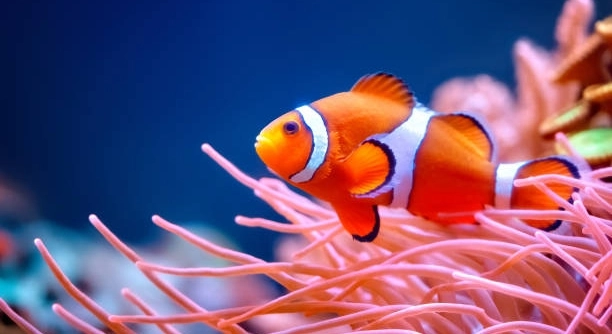
Is your clownfish tank looking a little dull or hard to maintain? Choosing the right substrate can make a big difference. It affects how your tank looks, how clean it stays, and even your fish’s comfort.
The best substrate for clownfish tanks is fine aragonite sand. This material supports marine water chemistry by helping to maintain stable pH and calcium levels, while also mimicking the natural habitat of clownfish and their host anemones.
Understanding how substrate impacts water quality, tank maintenance, and clownfish behavior can help you create a healthier, more balanced saltwater environment.
Why Substrate Matters in a Clownfish Tank
Substrate does more than just make your tank look nice. It plays a key role in the health of your clownfish and the overall stability of your saltwater system. Fine aragonite sand is preferred because it helps keep pH and calcium levels stable, which are both essential in a marine setup. This type of substrate also gives clownfish a more natural environment, especially if you’re housing them with anemones. Aragonite sand supports beneficial bacteria, which help with the nitrogen cycle by breaking down waste. This helps prevent ammonia spikes and keeps the water safer for your fish. Crushed coral or larger gravel, on the other hand, can trap waste and make the tank harder to clean. These options can also shift water chemistry in ways that aren’t ideal for clownfish. So, when choosing a substrate, it’s not just about looks — it’s about building a healthy base for your tank.
A clean and balanced tank starts with the right substrate. It affects how much work you’ll need to do later on.
Using fine aragonite sand can also reduce stress in clownfish by mimicking the seafloor conditions they are used to. This small detail adds comfort and familiarity to their environment.
Common Substrate Types for Saltwater Tanks
Crushed coral, live sand, and aragonite are the most popular choices. Each type has different effects on water chemistry, cleanliness, and fish comfort.
Crushed coral used to be popular, but it’s not ideal for clownfish tanks. Its coarse texture traps debris and leftover food easily, leading to water quality problems if not cleaned often. It also tends to raise the tank’s pH too much, which can be uncomfortable for clownfish. Live sand is helpful because it already has beneficial bacteria, which can support the nitrogen cycle right away. However, live sand is more expensive and harder to maintain. Aragonite sand offers a smoother grain, making it more comfortable for clownfish and less likely to trap waste. It also buffers the water more gently, keeping the pH at a stable level over time. Aragonite does not need constant stirring or extra filtration, making it easier for beginners to manage. If your clownfish share the tank with anemones or other invertebrates, this sand helps maintain the water quality they need.
How to Set Up the Right Substrate
Start by rinsing your chosen substrate with clean, dechlorinated water to remove dust and particles. Add it slowly to the tank in an even layer, about one to two inches deep. Avoid stirring it too much afterward.
If you’re using aragonite sand, pour it in gradually while the tank is only partially filled with water to prevent clouding. Once the sand is in, place a plate or shallow bowl on top of the substrate and pour the rest of the water over it to keep the sand from being stirred up. Let the filter run for several hours or overnight before adding any fish. Avoid vacuuming aragonite like gravel; instead, gently siphon off debris sitting on top during routine maintenance. This keeps the structure of the sand bed intact and helps maintain healthy bacteria.
Don’t forget to cycle your tank before adding clownfish. Substrate plays a part in this process. It supports colonies of beneficial bacteria that help convert harmful waste into less toxic forms. This is why rinsing with clean water—not soap—is so important. Soap or chemical cleaners can kill off the bacteria you’re trying to support. Once the tank is fully cycled and water levels are stable, your clownfish will have a safe and well-prepared home.
Substrate Maintenance Tips
Clean the top layer of substrate during regular water changes. Gently use a siphon to remove debris without disturbing the bacteria beneath. Avoid deep cleaning unless absolutely needed.
Keep an eye on signs of buildup, like cloudy water, algae patches, or odd smells. These may mean you’re either overfeeding or not cleaning enough. Use a turkey baster or soft brush to loosen debris before siphoning. This helps avoid stirring up too much sand at once. If you notice your clownfish digging or shifting sand, it’s usually normal and not a concern. However, if the sand bed becomes too compacted, it can create pockets that affect water quality. Stir small areas lightly every few weeks to prevent this. Be gentle around any anemones or corals that may be settled in the sand. With the right habits, your substrate can stay clean and continue supporting a stable environment.
Substrate Mistakes to Avoid
Using too much substrate can lead to trapped waste and uneven water flow. Stick to a layer that’s one to two inches deep. This helps with easy cleaning and reduces the risk of dead spots in your tank.
Avoid mixing different substrate types. It might seem harmless, but it can cause uneven settling and make cleaning harder. Some types also react differently with water chemistry, which can lead to instability over time.
When to Replace Your Substrate
You don’t need to replace substrate often unless there are signs of compaction, bad odor, or consistent water problems. If you’re seeing issues, try partial replacement first. Swap out small portions during routine cleanings to avoid disrupting the bacteria colonies. Over time, aragonite can lose its buffering ability. If your pH levels are dropping even with regular care, it might be time to replace the entire bed. Always test your water before making changes, and never replace everything at once. A slow approach helps keep your tank balanced and keeps your clownfish from getting stressed.
Final Thoughts on Substrate Choice
Choosing the right substrate gives your clownfish a safer and more natural home. Stick with fine aragonite sand for the best results.
FAQ
Can clownfish live without substrate in the tank?
Yes, clownfish can live without substrate, but it’s not ideal in most cases. A bare-bottom tank is easier to clean and can be useful in hospital or quarantine setups. However, it doesn’t offer the same natural appearance or support for biological filtration. Without substrate, the tank may look sterile and can be more stressful for some fish. There’s also less surface area for beneficial bacteria to grow. For long-term setups, especially those with live rock and anemones, using substrate like fine aragonite sand is a better choice for both stability and aesthetics.
Is live sand better than dry aragonite sand for clownfish tanks?
Live sand contains beneficial bacteria that help jump-start the nitrogen cycle. It can be helpful in new tanks, especially for reducing the time it takes to cycle the water. However, it’s more expensive and has a shorter shelf life once opened. Dry aragonite sand is more affordable and stable but will take longer to develop bacterial colonies unless seeded with media from an established tank. Both options can work, but if you’re just starting out and want to save money, dry aragonite sand is a reliable and easy choice when paired with patience during cycling.
How deep should the substrate be for clownfish?
A depth of one to two inches is usually enough. This amount gives you a good balance between biological support and easy cleaning. Too much substrate can trap waste and lead to poor water quality. In tanks with anemones or burrowing invertebrates, you may want to go closer to two inches. But in general, sticking to a shallow sand bed helps avoid compacted areas and makes it easier to maintain water flow and cleanliness.
What happens if I don’t rinse my substrate before adding it?
If you skip rinsing, your tank will likely become cloudy once water is added. The fine dust and loose particles will float and take a long time to settle. This can clog filters and make the tank look dirty. Rinsing helps remove excess dust and keeps the water clearer from the start. Even if the packaging says “pre-washed,” it’s still a good idea to give it a quick rinse in clean, dechlorinated water. You don’t need to get it perfect—just enough to reduce clouding and improve water quality during setup.
How often should I clean the substrate in a clownfish tank?
Light cleaning should be done every time you perform a water change. Use a siphon to remove debris from the top layer of the substrate. Avoid digging too deep into the sand, as this can disturb the bacteria colonies that help break down waste. A gentle, regular clean keeps things balanced. If you’re using aragonite sand, focus on surface debris instead of deep vacuuming. In tanks with low bioloads and strong filtration, you may only need to clean specific problem areas. Pay attention to algae buildup, odd smells, or visible waste as signs that it’s time for a touch-up.
Can I use gravel instead of sand in a clownfish tank?
Gravel is not recommended for clownfish tanks. It’s too coarse and tends to trap waste, which makes it harder to clean and manage. It also doesn’t provide the same water buffering benefits as aragonite sand. In a saltwater setup, pH and calcium levels matter, and gravel doesn’t help maintain those levels. Plus, gravel looks unnatural for marine tanks and isn’t comfortable for clownfish or invertebrates. Sand is smoother and closer to the natural ocean floor, creating a more realistic and comfortable environment for your fish. Stick with fine aragonite sand if possible.
Do clownfish dig in the substrate?
Clownfish don’t typically dig like gobies or other burrowing fish, but they may move sand around occasionally. This behavior is usually tied to claiming territory or clearing a spot near their host anemone or coral. It’s not a concern unless it causes issues with water flow or exposes equipment like heater bases or tank glass. If you notice frequent digging, check to make sure tank flow is not too strong or too weak, as clownfish sometimes rearrange the sand to create a calm spot. It’s normal behavior and nothing to worry about.
What kind of maintenance does aragonite sand need over time?
Aragonite sand is fairly low maintenance. Most of the work involves gently siphoning debris off the surface during water changes. Over time, it may lose some of its buffering ability, especially if your water is naturally low in minerals. You can test calcium and alkalinity levels regularly to keep track. If you see those levels dropping and your pH becoming unstable, it may be time to replace part—or eventually all—of the substrate. Also, lightly stir small areas every few weeks to avoid compacted sections that could trap gas or waste. Consistent care helps it last longer.
Final Thoughts
Choosing the right substrate for a clownfish tank may seem like a small detail, but it has a big impact on the overall health and stability of the aquarium. Fine aragonite sand stands out as the best option because it helps maintain proper pH levels and supports beneficial bacteria that are needed for the nitrogen cycle. It also looks natural and creates a comfortable space for clownfish and other marine animals. While other types like crushed coral or gravel may seem suitable, they often cause more problems in the long run by trapping waste or shifting the water chemistry too much. For a healthy and easy-to-maintain saltwater tank, aragonite is a dependable and beginner-friendly choice.
Proper setup and maintenance are just as important as the type of substrate you choose. Rinsing the sand, adding it in the right depth, and avoiding deep vacuuming are all simple steps that can prevent bigger issues later. Keeping the top layer clean during regular water changes helps maintain good water quality without disrupting the bacteria in the sand bed. Watching for signs like cloudy water, foul smells, or algae growth will help you spot when extra cleaning or a partial replacement might be needed. Taking small, careful steps will help your tank remain clean and balanced over time. Substrate may not need frequent replacing, but it still requires some attention. With regular care, aragonite sand can last for years and continue to support a stable saltwater environment.
A well-chosen and well-maintained substrate creates a solid base for your clownfish tank. It supports the biology of your tank, helps with filtration, and adds to the look and feel of the habitat. Whether you’re just starting out or adjusting an existing tank, making sure the substrate is right can save you time and trouble later. Aragonite sand is a safe, effective, and natural choice that works well for most marine tanks. It keeps your water more stable, helps your clownfish feel at home, and supports long-term health. By paying attention to these small but important details, you’re setting up your tank for success and making life easier for both you and your fish.

Hello,
If you enjoy the content that we create, please consider saying a "Thank You!" by leaving a tip.
Every little bit helps us continue crafting quality advice that supports the health, happiness, and well-being of pets around the world, for pets of all shapes, sizes, and species.
We really appreciate the kindness and support that you show us!