
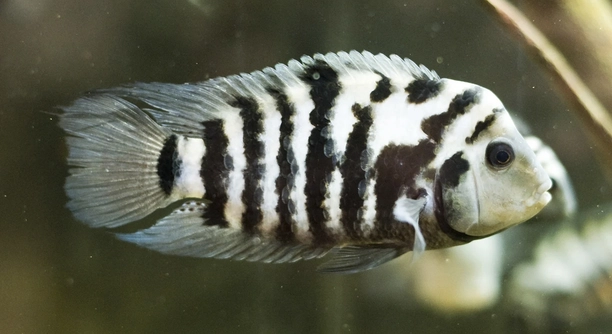
African cichlids are popular freshwater fish known for their bright colors and active behavior. Many fish owners enjoy keeping them but often wonder about the right tank size. Choosing the correct aquarium is important for their well-being.
African cichlids require tanks that provide enough space to swim and establish territories. A minimum of 30 gallons is recommended for smaller groups, while larger or more aggressive species may need tanks of 55 gallons or more to thrive healthily.
Knowing the proper tank size will help your cichlids stay healthy and reduce stress. It also creates a better environment for their natural behavior and growth.
Why Tank Size Matters for African Cichlids
Tank size plays a crucial role in the health and happiness of African cichlids. These fish are territorial and active swimmers, so a cramped space can lead to stress and aggression. When cichlids do not have enough room, they may fight more often, causing injuries or even death. Additionally, a small tank can lead to poor water quality because waste builds up faster. This affects the fish’s immune system and can make them sick. Providing enough space helps maintain stable water conditions, which is essential for their survival. When cichlids feel comfortable in their environment, they display more natural behaviors, including breeding and exploring. Larger tanks allow for decorations and hiding spots, which reduce tension among the fish. These factors combined show why choosing the right tank size is a key step in successful cichlid care.
African cichlids need room to swim and establish territories to reduce stress and promote healthy behavior.
Making sure your tank size matches the number and species of cichlids you keep is a basic yet vital part of aquarium care. A well-sized tank supports better water quality, lowers aggression, and encourages natural activities. When selecting a tank, consider how many fish you plan to keep and their adult size. For instance, smaller species like some mbuna may be comfortable in a 30 to 40-gallon tank, but larger or more aggressive species require more space. It is also important to plan for the future since cichlids grow and may need more room as they mature. A bigger tank also makes maintenance easier by diluting waste and stabilizing water parameters. Adding plenty of rocks and caves can help mimic their natural habitat and provide hiding spots. This reduces fighting and helps the fish feel secure. Overall, paying attention to tank size helps ensure your African cichlids live longer, healthier lives.
Common Tank Sizes for African Cichlids
A 30-gallon tank is generally the minimum for a small group of cichlids.
Most hobbyists find 55 gallons or more ideal for larger groups or aggressive species.
Tank sizes vary depending on species and number of fish, but a few guidelines help. Smaller species like the electric yellow cichlid do well in tanks starting at 30 gallons. For mbuna or peacock cichlids, which are more territorial and active, a 55-gallon tank or larger is better. This size helps reduce conflicts and provides ample swimming space. When housing multiple species or larger fish, tanks of 75 gallons or more are often necessary. Keeping too many fish in a small tank causes overcrowding, leading to stress and disease. Larger tanks also allow for better decoration and territory creation, important for these fish’s social needs. Before purchasing, consider the adult size of your cichlids and their temperament to choose the most suitable tank size. This ensures a balanced, healthy environment where they can thrive.
Setting Up the Right Environment
Providing hiding spots is important for African cichlids to feel secure. Rocks, caves, and plants help create territories and reduce stress.
Proper tank setup mimics the cichlids’ natural habitat, helping them thrive. Use sturdy rocks and decorations to form caves and crevices, which allow fish to establish territories and escape aggression. Avoid sharp objects that can injure them. Sand or fine gravel is best for the substrate because many cichlids like to dig. Good water flow and proper filtration are also necessary to maintain clean water. African cichlids prefer a slightly alkaline pH and warmer temperatures around 75-82°F (24-28°C). Keeping these conditions stable prevents illness and supports their active lifestyle.
Lighting should balance between bright and shaded areas to simulate natural conditions. Too much light can stress the fish, while too little can limit their activity. Incorporate floating plants or decorations that provide shade and shelter. Regular water changes and monitoring water quality are crucial in maintaining a healthy environment. Overall, a well-thought-out setup supports the fish’s behavior and health over time.
Stocking Your African Cichlid Tank
Avoid overcrowding your tank to minimize stress and aggression. Space is key for a peaceful community.
When selecting how many cichlids to keep, consider tank size and fish behavior. African cichlids can be territorial and aggressive, so providing enough space to claim their own areas is important. Overstocking increases competition for resources, causing fights and injuries. A good rule is one inch of fish per gallon of water, but this varies by species. Grouping cichlids of similar size and temperament helps maintain balance. Introducing too many fish at once can cause stress, so add them gradually and monitor their interactions closely. Adequate space, hiding spots, and careful stocking reduce conflicts and improve overall tank harmony.
Importance of Filtration
Good filtration keeps water clean and removes harmful waste. African cichlids produce a lot of waste, so a strong filter is necessary.
Choosing a filter that handles at least twice the tank’s volume per hour helps maintain clear and healthy water. Regular cleaning of the filter prevents clogging and supports its efficiency.
Water Parameters to Maintain
African cichlids prefer a pH between 7.8 and 8.6. Keeping water slightly alkaline supports their health and natural behavior.
Feeding African Cichlids
Feed a varied diet including high-quality pellets, flakes, and occasional live or frozen foods. Avoid overfeeding to maintain water quality.
FAQ
What size tank do I need for just one African cichlid?
A single African cichlid needs at least 20 to 30 gallons of space. Even alone, they are active swimmers and need room to move freely. Providing enough space helps prevent boredom and promotes healthy behavior.
Can I keep different species of African cichlids together in one tank?
Mixing species is possible but requires caution. It’s best to choose species with similar temperaments and water needs. Aggressive species or very different sizes may fight or stress each other. Providing plenty of hiding spots and enough space reduces problems.
How many African cichlids can I keep in a 55-gallon tank?
A 55-gallon tank can comfortably house around 6 to 8 small to medium-sized cichlids, depending on species and their behavior. Overcrowding should be avoided to reduce aggression and maintain water quality.
How often should I change the water in an African cichlid tank?
Weekly water changes of about 20-30% are recommended. This keeps the water clean, removes toxins, and keeps fish healthy. More frequent changes might be needed if the tank is heavily stocked or filtration is insufficient.
What is the best substrate for African cichlids?
Sand or fine gravel works best. Many African cichlids like to dig, and a soft substrate helps protect their fins and bodies. It also supports beneficial bacteria growth that helps keep water clean.
How important is tank decoration for African cichlids?
Decorations like rocks and caves are very important. They provide hiding spots and help reduce aggression by allowing fish to establish territories. Decorations also mimic the fish’s natural habitat, making them feel more secure.
Can African cichlids live in a community tank with other types of fish?
African cichlids can be aggressive and may not do well with peaceful or slow-moving fish. If you want a community tank, choose fast or similarly aggressive species, but this is usually more challenging and requires careful planning.
What water temperature do African cichlids need?
They thrive in water temperatures between 75°F and 82°F (24°C to 28°C). Keeping the temperature stable helps prevent stress and illness. Use a reliable heater and thermometer to monitor conditions.
Do African cichlids need special lighting?
Lighting should simulate natural day and night cycles. Moderate lighting with some shaded areas works best. Too much bright light can stress the fish, while too little can affect their activity and coloration.
How long do African cichlids typically live?
With proper care and tank conditions, African cichlids can live from 6 to 10 years, sometimes longer. Maintaining water quality, diet, and a suitable environment supports their longevity.
What should I do if my African cichlids show signs of illness?
Isolate sick fish if possible and check water parameters immediately. Poor water quality often causes health problems. Treat with appropriate medication and keep the tank clean. Early action improves chances of recovery.
How do I reduce aggression in an African cichlid tank?
Providing enough space, hiding spots, and matching species by temperament helps. Overstocking can increase fights, so avoid crowding. Sometimes rearranging decorations breaks established territories and calms aggression.
Can African cichlids breed in a home aquarium?
Yes, many species breed easily if conditions are right. They need space, good water quality, and proper diet. Some species are mouthbrooders, carrying eggs and fry in their mouths for protection.
Is it necessary to cycle a tank before adding African cichlids?
Absolutely. Cycling establishes beneficial bacteria that break down harmful waste. Without cycling, ammonia and nitrite levels spike, which is deadly to fish. Always test water before adding cichlids.
How much should I feed African cichlids daily?
Feed small amounts 1 to 2 times daily, enough for them to eat in a few minutes. Overfeeding causes water pollution and health issues. A balanced diet includes pellets, flakes, and occasional live or frozen food.
Can African cichlids live without plants in their tank?
They can, but live plants can improve water quality and provide hiding places. Some cichlids may uproot or eat plants, so choose hardy species or artificial plants as alternatives.
African cichlids are beautiful and active fish that many people enjoy keeping in their home aquariums. Giving them the right tank size is very important for their health and happiness. A tank that is too small can cause stress and aggressive behavior, which can hurt the fish or even shorten their lifespan. When choosing a tank, it’s best to think about the number of cichlids and the species you want to keep. Smaller groups of peaceful species might do well in tanks starting at 30 gallons, while larger or more aggressive types need bigger tanks, often 55 gallons or more. Having enough space helps the fish swim freely, find their own territories, and live more naturally.
Setting up the tank properly goes beyond size. African cichlids need places to hide and explore. Rocks, caves, and other decorations give them spots to claim and hide, reducing fighting and stress. Using sand or fine gravel as substrate is also important since many cichlids like to dig and sift through the bottom. Water quality plays a big role, so a strong filter and regular water changes keep the environment clean and stable. These fish prefer slightly alkaline water with a stable temperature around 75 to 82 degrees Fahrenheit. Keeping these conditions consistent helps them stay healthy and active.
Finally, it’s important to remember that cichlids are social animals with different needs depending on their species and temperament. Overstocking a tank or mixing very different species can lead to problems like aggression or poor water quality. Careful planning of how many fish to keep, providing enough space, hiding spots, and feeding a balanced diet are all key parts of good cichlid care. Paying attention to these details will not only make your aquarium look better but also help your fish live longer, happier lives. When everything is done right, keeping African cichlids can be a rewarding and enjoyable experience.

Hello,
If you enjoy the content that we create, please consider saying a "Thank You!" by leaving a tip.
Every little bit helps us continue crafting quality advice that supports the health, happiness, and well-being of pets around the world, for pets of all shapes, sizes, and species.
We really appreciate the kindness and support that you show us!