
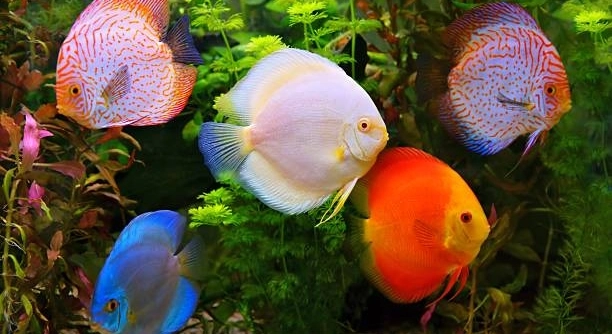
Caring for discus fish requires a careful approach, especially when they need treatment. A discus hospital tank is essential for isolating and nursing sick or stressed fish. Setting it up correctly helps speed recovery and protects other tank inhabitants.
A discus hospital tank should include clean, well-filtered water, stable temperature around 82-86°F, gentle aeration, and minimal décor to reduce stress. It must have a quarantine setup with controlled lighting and proper medication access for effective treatment.
Knowing what goes into a hospital tank ensures your discus fish get the best care when needed. The following details will help create a safe and effective healing environment.
Setting Up the Right Environment
Creating a hospital tank for discus fish starts with choosing the right size tank. A smaller tank around 10 to 20 gallons works best for isolating sick fish, making monitoring easier. Clean water is vital, so a good filtration system that does not create strong currents is necessary. The water temperature should be kept stable between 82 and 86 degrees Fahrenheit to support healing. Adding an air stone can help maintain oxygen levels without stressing the fish. Minimal decorations or hiding places reduce the chance of injury or disease spreading. The tank should be placed in a quiet area to lower stress. Regular water changes, about 25% every two to three days, help keep water quality high. Using a soft sponge filter is recommended because it provides gentle filtration and protects delicate fish. This setup helps the discus fish recover safely and comfortably.
Maintaining water quality is the most important part of the hospital tank setup.
Keeping a hospital tank clean and stress-free is essential for your discus to heal properly. Simple, stable conditions support their immune system and speed up recovery.
Essential Equipment for a Discus Hospital Tank
A hospital tank needs only the basics to keep discus fish safe and comfortable. Equipment should focus on water quality and minimal stress. Avoid unnecessary items that can cause injury or hide illness symptoms.
A heater with precise temperature control is crucial. Discus fish are sensitive to temperature changes, so a stable environment around 82-86°F helps their recovery. A reliable thermometer allows constant monitoring. A sponge filter works best because it offers gentle filtration without creating strong currents. Aeration through an air stone adds oxygen without stressing the fish. Avoid power filters that produce fast water movement. Lighting should be soft and dim to prevent stress while allowing observation. Too bright light can cause discomfort. Using a quarantine net or divider can help isolate specific fish if needed, preventing the spread of disease within the tank.
Basic equipment focusing on gentle filtration, temperature control, and low stress will provide the best care for healing discus fish.
Water Quality and Maintenance
Keeping water clean is critical in a hospital tank. Frequent partial water changes remove waste and harmful toxins, maintaining safe conditions. Use dechlorinated water that matches the tank’s temperature to avoid shocks. Testing water parameters daily ensures ammonia, nitrites, and nitrates remain at safe levels, as even small spikes can worsen a sick discus’s condition. A good routine includes changing about 25% of the water every two to three days. Avoid overcrowding the tank, as more fish increase waste and stress. Removing uneaten food and debris quickly also helps maintain cleanliness. Keeping the tank environment stable supports the discus immune system, improving chances for full recovery. Clean, stable water is the foundation of a successful hospital tank.
Consistent water maintenance lowers stress and prevents secondary infections in discus fish during treatment.
Monitoring Temperature and Lighting
Maintaining a stable temperature is key for healing discus fish. Fluctuations can cause stress and delay recovery. Use a reliable heater and check the temperature regularly with a good thermometer.
Lighting should be soft and subdued. Bright lights can stress sick fish and slow healing. Use dim lighting or cover part of the tank to create shaded areas.
Medication and Treatment Options
Treating discus fish in a hospital tank requires proper medication based on the illness. Common treatments include antibiotics for bacterial infections and antifungal solutions for fungal issues. Follow dosage instructions carefully to avoid harming the fish. Using a quarantine tank allows controlled treatment without risking other fish. Always research the specific illness and medication before starting treatment. Consult a vet or experienced aquarist if unsure. Proper medication, combined with stable tank conditions, increases the chance of successful recovery.
Avoiding Overcrowding
Keep the hospital tank lightly stocked. Overcrowding increases stress, wastes, and the risk of disease spreading quickly. One or two fish per hospital tank is ideal.
What size tank is best for a discus hospital tank?
A tank between 10 to 20 gallons is usually sufficient. This size is easy to manage, allows for proper monitoring, and provides enough space for one or two sick discus fish to recover comfortably. Larger tanks can be harder to maintain consistently, which may delay healing.
How often should water be changed in a hospital tank?
Perform partial water changes of about 25% every two to three days. Frequent water changes help keep ammonia, nitrites, and nitrates at safe levels. Clean water is essential to reduce stress and support the discus fish’s immune system during recovery.
What water temperature should I maintain in the hospital tank?
Keep the water temperature stable between 82 and 86 degrees Fahrenheit. Discus fish are sensitive to temperature changes, and maintaining this range promotes healing and prevents additional stress.
Can I use the same medication for all discus diseases?
No, medication depends on the specific illness. Bacterial infections often require antibiotics, while fungal infections need antifungal treatments. Using the wrong medication can harm your fish or worsen the condition, so identify the issue before starting treatment.
Is a filter necessary in a hospital tank?
Yes, but choose a gentle option like a sponge filter. It provides good biological filtration without creating strong currents that could stress or injure sick discus fish.
Should I add decorations or plants in the hospital tank?
Keep decorations to a minimum. Too many objects can make cleaning difficult and hide symptoms of illness. A few smooth hiding spots can reduce stress but avoid anything sharp or rough.
How many fish should be kept in a hospital tank?
Ideally, only one or two discus fish should be kept in the hospital tank. Overcrowding raises stress levels, increases waste, and makes disease control harder.
How do I know when to move discus back to the main tank?
Wait until your discus fish shows clear signs of recovery—normal swimming, eating well, and no visible symptoms. The fish should be strong enough to handle the conditions in the main tank without relapse.
Can I treat discus fish directly in the main tank?
It is not recommended. Treating in the main tank risks exposing healthy fish to medication, causing stress or harm. A hospital tank allows focused care and protects the rest of your aquarium.
What if my discus fish refuses to eat in the hospital tank?
Stress often causes loss of appetite. Keep the tank quiet and dimly lit. Try offering high-quality, easy-to-digest foods like soaked pellets or frozen bloodworms. If the fish still refuses to eat, consult an expert for advice on supportive care.
How important is oxygenation in a hospital tank?
Good oxygen levels are crucial. Use an air stone or gentle aeration to maintain oxygen without causing strong currents. Sick discus need well-oxygenated water to support their weakened immune systems.
Can I use tap water for water changes?
Tap water must be treated to remove chlorine, chloramine, and heavy metals before use. Untreated tap water can harm sensitive discus fish, especially when they are already weak.
How long should a discus fish stay in the hospital tank?
The duration depends on the illness and recovery speed. It could range from a few days to several weeks. Monitor the fish daily and move them back to the main tank only after full recovery.
What signs indicate a discus fish is improving?
Look for normal swimming behavior, active response to food, bright coloration, and absence of visible symptoms like white spots or fin rot. These signs show the fish is regaining strength.
Can I use a quarantine net inside the hospital tank?
Yes, a quarantine net or divider can isolate an individual discus if needed. This helps prevent the spread of disease and allows targeted treatment without stressing other fish.
Is dim lighting always better in a hospital tank?
Generally, yes. Dim lighting reduces stress and makes fish more comfortable during recovery. Bright light can cause unnecessary agitation and slow healing.
Should I feed medicated food during treatment?
Medicated food can be helpful for some bacterial infections but should be used according to instructions. Overuse or incorrect dosing might harm your fish or affect water quality.
What is the best way to clean the hospital tank?
Clean the tank gently, removing uneaten food and debris daily. Avoid harsh chemicals and sudden water changes. Use siphons for partial water changes to maintain stability.
Can stress cause relapse after treatment?
Yes, stress weakens the immune system and can cause relapse. Keeping the hospital tank environment stable and quiet reduces stress and supports lasting recovery.
Are there any natural remedies safe for discus fish?
Some aquarium-safe treatments like Indian almond leaves or salt baths may help minor issues. However, serious infections usually require specific medications prescribed for discus fish.
How do I avoid infections in the future?
Quarantine new fish before adding them to the main tank. Maintain good water quality and stable conditions. Early detection and treatment are key to preventing severe illness.
These FAQs cover common concerns for discus hospital tanks. Following these guidelines helps protect your fish during illness and improves their chance of recovery.
Creating a proper hospital tank for discus fish is an important step in their care. Sick or stressed fish need a calm and stable environment to recover. A hospital tank should be simple, clean, and easy to manage. This helps reduce stress and prevents illness from spreading to other fish in the main tank. Keeping the water clean, maintaining the right temperature, and using gentle filtration are all key factors for success. These conditions support the discus fish’s immune system and speed healing.
Medication is often necessary to treat common discus diseases, but it must be used carefully. Different illnesses require different treatments, so identifying the problem before starting medication is crucial. Using the wrong medication or dosing incorrectly can harm the fish or delay recovery. Keeping the hospital tank free from overcrowding and unnecessary decorations also helps. A quiet and dimly lit area lowers stress, which plays a big role in how well the fish heal. Regular monitoring of water quality and fish behavior ensures any issues are caught early and managed promptly.
Setting up and maintaining a discus hospital tank may seem like extra work, but it greatly improves the health and well-being of your fish. It allows you to isolate and treat fish safely without affecting others. Knowing the right equipment, water conditions, and treatment methods helps create the best environment for healing. Careful attention to these details can make the difference between a quick recovery and ongoing health problems. In the end, a well-prepared hospital tank is a valuable tool for any discus keeper committed to their fish’s long-term health.

Hello,
If you enjoy the content that we create, please consider saying a "Thank You!" by leaving a tip.
Every little bit helps us continue crafting quality advice that supports the health, happiness, and well-being of pets around the world, for pets of all shapes, sizes, and species.
We really appreciate the kindness and support that you show us!