
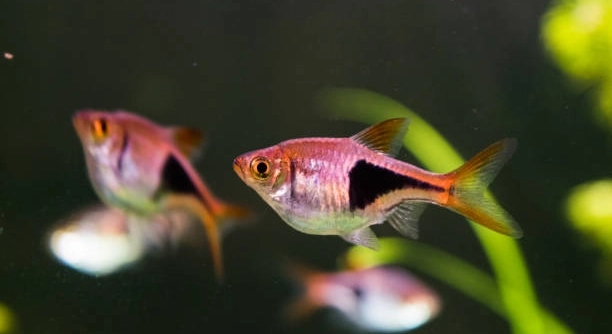
Rasboras are small, peaceful fish often kept in freshwater tanks. They are popular for their active swimming and bright colors. Many shrimp owners consider adding rasboras to their aquariums for variety and companionship.
When introduced to shrimp, rasboras generally coexist without aggression, mainly ignoring shrimp or occasionally showing mild curiosity. They may nibble on leftover food but do not pose a significant threat to healthy adult shrimp under normal conditions.
Learning how rasboras interact with shrimp can help maintain a peaceful aquarium environment. This article explores what to expect when these two species share a tank.
Behavior of Rasboras Around Shrimp
Rasboras are generally calm fish that prefer to swim in groups. When placed with shrimp, they mostly keep to themselves. They may swim close to the shrimp out of curiosity but rarely chase or harm them. Young or very small shrimp might get some attention, but adult shrimp usually stay safe. Rasboras tend to focus on swimming and exploring rather than bothering other tank inhabitants. They often feed on leftover flakes or small bits of food, which helps keep the tank clean. However, it’s important to provide enough hiding places for shrimp to feel secure. Plants, rocks, and decorations offer safe spots where shrimp can retreat if needed. Observing your tank can help you understand how your rasboras and shrimp interact over time, making adjustments if any signs of stress appear.
Rasboras’ peaceful nature makes them suitable tank mates for shrimp in most setups.
Providing hiding places for shrimp promotes harmony between the species and reduces stress.
Feeding Habits and Impact on Shrimp
Rasboras mainly eat small flakes, pellets, and live or frozen foods like daphnia or brine shrimp. When shrimp share the tank, rasboras rarely compete aggressively for food. They usually eat from the water surface or middle levels, while shrimp scavenge at the bottom. This natural feeding separation helps both species get enough nourishment without conflict. However, overfeeding can create uneaten food that might attract unwanted pests or cause water quality issues. Feeding a balanced amount benefits both rasboras and shrimp. It is good practice to observe how much food is consumed and remove any leftovers. Healthy shrimp populations rely on clean water and steady food supply. Sometimes, supplementing shrimp diets with specialized foods like algae wafers or blanched vegetables improves their health. Maintaining proper feeding routines supports peaceful coexistence and keeps the tank environment stable for all inhabitants.
Tank Setup for Rasboras and Shrimp
A well-planned tank setup helps rasboras and shrimp live peacefully together. Adding plenty of plants, rocks, and hiding spots creates a safe space for shrimp.
Dense plants like java moss and floating plants provide cover and grazing areas for shrimp. Decorations with crevices allow shrimp to escape if needed. Rasboras prefer open swimming space, so balance is key. A moderate current helps keep water clean without stressing either species. Using a gentle filter prevents shrimp from being sucked in, ensuring their safety. Maintaining stable water parameters, such as temperature and pH, supports both animals’ health.
Adjusting tank conditions according to species’ needs improves their well-being and reduces stress.
Signs of Stress and How to Manage Them
Stress in shrimp often shows through color fading, hiding, or reduced activity. Rasboras may swim erratically or stop schooling. If these signs appear, it could mean the tank environment is not ideal. Checking water quality is the first step, as poor conditions harm both species. Adding more hiding places or adjusting lighting may help shrimp feel safer. Reducing feeding or improving filtration can reduce water issues. Avoid overcrowding the tank, as it causes stress and aggression. Observe the tank daily to spot problems early. Addressing stress quickly helps maintain a healthy and peaceful community tank.
Common Risks When Mixing Rasboras and Shrimp
One common risk is rasboras accidentally eating baby shrimp. Small shrimp are more vulnerable during molting or right after hatching.
Another risk is poor water quality caused by overfeeding or inadequate filtration. This can stress both rasboras and shrimp, leading to health problems.
Preventing Predation on Baby Shrimp
Providing dense plants and hiding spaces is the best way to protect baby shrimp. Moss and fine-leaved plants offer shelter where tiny shrimp can avoid being seen. Keeping the rasbora group well-fed also reduces the chance they will hunt baby shrimp.
Maintaining Water Quality
Regular water changes and proper filtration keep the environment healthy for both species. Testing water parameters like ammonia, nitrite, and nitrate is essential.
Monitoring Interactions
Careful observation helps catch any aggressive behavior early, allowing adjustments to tank conditions or fish numbers.
FAQ
Will rasboras eat shrimp?
Rasboras usually do not eat adult shrimp. They may show some interest in very small or baby shrimp, especially if the shrimp are molting and vulnerable. However, in a well-planted tank with enough hiding spaces, the risk is low. Keeping the rasboras well-fed also reduces any hunting behavior.
Can rasboras and shrimp live together peacefully?
Yes, rasboras and shrimp can live peacefully together if the tank is set up properly. Providing plenty of plants, hiding spots, and maintaining stable water conditions helps both species feel secure. Rasboras are calm fish and typically ignore shrimp, making them good tank mates.
What tank size is suitable for both species?
A tank of at least 10 gallons is recommended for a small group of rasboras and shrimp. This size allows enough swimming space for the fish and enough areas for shrimp to hide. Larger tanks offer more stability in water conditions and reduce stress.
How many rasboras should be kept with shrimp?
Keeping rasboras in groups of six or more is best for their schooling behavior. Avoid overcrowding the tank to reduce stress and competition. A moderate number of rasboras mixed with a healthy shrimp population works well in a 10-gallon or larger tank.
What water conditions do rasboras and shrimp need?
Both species prefer slightly acidic to neutral water, with a pH between 6.5 and 7.5. Temperature should be stable around 72-78°F (22-26°C). Clean, well-filtered water with low ammonia and nitrite is crucial for their health.
Do rasboras eat shrimp food?
Rasboras mainly eat flakes, pellets, and small live foods. Shrimp food like algae wafers or blanched vegetables is usually eaten only by shrimp. Feeding each species according to their diet prevents competition and ensures proper nutrition.
How can I protect baby shrimp in a community tank?
Adding dense plants like java moss, floating plants, and fine-leaved varieties provides safe hiding places. Separating breeding tanks or using shrimp traps during molting times can also help protect young shrimp from curious fish.
Will rasboras bother shrimp during feeding?
Rasboras and shrimp feed at different levels in the tank, so they rarely compete directly. Rasboras prefer the upper and middle water levels, while shrimp search for food on the substrate. Feeding appropriate amounts prevents leftover food that could cause water quality issues.
Can rasboras stress shrimp?
Stress can happen if the tank is overcrowded or lacks hiding spaces. Rasboras are generally peaceful but constant chasing or erratic swimming could stress shrimp. Providing plants and keeping fish numbers balanced reduces stress and promotes calm behavior.
Is it necessary to quarantine new rasboras or shrimp?
Quarantining new fish or shrimp before adding them to the main tank helps prevent disease outbreaks. It allows you to observe their health and treat any problems early. A 2-week quarantine is a good rule of thumb.
What are signs of healthy shrimp and rasboras?
Healthy shrimp are active, have bright colors, and regularly molt. Rasboras swim smoothly in groups and show no signs of lethargy or spots. Both should eat well and respond to feeding times with interest.
How often should I clean the tank with both species?
Perform regular water changes of 20-30% every week or two to maintain water quality. Avoid deep cleaning that disrupts beneficial bacteria or removes too many hiding places. Consistent maintenance keeps the tank stable and safe for all inhabitants.
Can rasboras tolerate the same water hardness as shrimp?
Yes, most rasboras and common freshwater shrimp like cherry shrimp thrive in soft to moderately hard water. Aim for general hardness (GH) between 4-12 dGH and carbonate hardness (KH) around 3-8 dKH for best results.
What plants work best for tanks with rasboras and shrimp?
Easy-to-grow plants like java moss, anubias, java fern, and floating plants are ideal. These provide cover and grazing surfaces for shrimp while not crowding the swimming space of rasboras. Plants also help maintain water quality naturally.
How do I prevent algae growth in a rasbora and shrimp tank?
Balanced lighting, regular water changes, and controlled feeding help prevent algae. Shrimp can eat some algae naturally, but excess light or nutrients can cause blooms. Using floating plants can reduce light penetration and compete with algae.
Can I keep other fish with rasboras and shrimp?
Choosing peaceful fish that won’t bother shrimp is important. Small tetras, corydoras catfish, and some dwarf rasbora species usually coexist well. Avoid larger or aggressive fish that may prey on shrimp or stress rasboras.
What should I do if rasboras start chasing shrimp?
Check tank conditions and reduce stressors like overcrowding or poor water quality. Add more hiding places for shrimp and consider separating the species if chasing continues. Sometimes, individual fish have more aggressive behavior and may need rehoming.
How long do rasboras and shrimp live in a community tank?
Rasboras typically live 3-5 years, while shrimp can live 1-2 years depending on the species. Proper care, diet, and stable tank conditions contribute to their lifespan and overall health.
Rasboras and shrimp can make a nice combination in a freshwater aquarium when their needs are met carefully. Both species bring different qualities to the tank—rasboras add movement and color, while shrimp help keep the tank clean by eating algae and leftover food. When set up properly, they generally live together without problems. It is important to keep the tank environment stable and provide enough hiding spaces so shrimp can feel safe. This helps reduce stress and keeps the community peaceful. Watching how both animals behave over time allows for small adjustments that improve their living conditions.
Tank setup plays a big role in making sure rasboras and shrimp get along. Including plants, decorations, and places to hide creates a balanced space for each species to thrive. Rasboras prefer open swimming areas, while shrimp like to have spots where they can retreat. Feeding should be done carefully to avoid leftover food that could harm water quality. Keeping water parameters steady with regular changes and proper filtration supports the health of all tank inhabitants. By maintaining good water quality, both rasboras and shrimp stay active and healthy, reducing the chances of disease or stress.
Overall, keeping rasboras with shrimp requires some attention but is rewarding. Their peaceful nature and different behaviors can complement each other in a home aquarium. Taking time to learn about their habits and adjusting the tank as needed will lead to a more enjoyable and stable setup. With patience and care, these two species can live together happily, providing a beautiful and interesting tank to watch. This makes a mixed tank a great choice for those looking to add variety without much risk.

Hello,
If you enjoy the content that we create, please consider saying a "Thank You!" by leaving a tip.
Every little bit helps us continue crafting quality advice that supports the health, happiness, and well-being of pets around the world, for pets of all shapes, sizes, and species.
We really appreciate the kindness and support that you show us!