
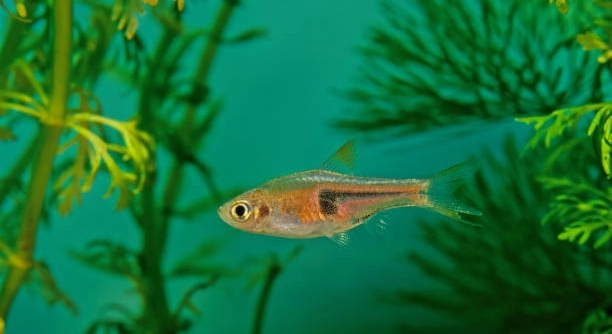
Rasboras are small, lively fish often found in home aquariums. Their curious nature leads them to explore their surroundings with quick movements and attentive behaviors. Observing these fish can reveal interesting patterns about how they react to new stimuli in their environment.
When curious, rasboras typically swim around actively, inspecting objects or changes with cautious but deliberate movements. They may hover near new items or shifts in water conditions, using their sensory abilities to gather information before resuming normal activity.
Understanding what triggers these behaviors helps improve aquarium care and creates a more engaging environment for your rasboras to thrive.
How Rasboras Show Curiosity
Rasboras use their body language to express curiosity. When something new enters their tank, they often gather near the object, swimming slowly to observe it closely. Their fins may flare slightly as they get ready to react if needed. Sometimes, they gently nudge or circle around unfamiliar items or other fish. This behavior helps them learn if the change is safe or if they should avoid it. Changes in light or water movement can also catch their attention. These fish rely on sight and lateral line sensing to detect vibrations and movements in the water. Their natural instincts guide how they respond to new stimuli, balancing curiosity with caution. Watching these signs gives insight into their comfort level and well-being.
Curious rasboras maintain a balance between exploration and staying safe. Their behavior shows they value both discovery and security.
Observing your rasboras closely when they show curiosity helps you understand their needs better. Creating a stable, varied environment encourages their natural behaviors and reduces stress. Adding plants or small decorations can give them safe places to explore. Regular tank maintenance ensures changes do not confuse or scare them. Small adjustments in feeding or lighting also affect how comfortable and interested they feel in their habitat. Recognizing these signals supports their health and happiness.
Responses to New Objects
Rasboras react quickly when new objects enter their space. They tend to gather near the change, swimming in short bursts to investigate. This behavior lasts until they decide the object poses no threat.
When a new object is introduced, rasboras assess it visually and through gentle touches. They often start by approaching cautiously and then increase interaction if no danger appears. This process can take several minutes to hours depending on the fish and object. If the object is brightly colored or reflective, it may draw more attention. Sometimes, rasboras use their lateral lines to sense any unusual water movements around the item. If the object is safe, they resume normal swimming patterns. However, sudden or large changes might cause them to hide or become more skittish. Understanding these reactions allows for careful introduction of tank decorations or companions, minimizing stress and promoting natural behavior in your aquarium.
Signs of Curiosity in Rasboras
Rasboras show curiosity through specific behaviors like darting toward new objects, swimming in tight circles, and briefly pausing near unfamiliar spots. Their fins may also spread slightly as they focus on something interesting.
These small movements are clear indicators that a rasbora is investigating its environment. They use their eyes and lateral line system to collect information about changes. If the fish approach an object slowly and return often, it means they are trying to understand it better. Sometimes, they even nudge new items gently with their mouths. These actions are subtle but meaningful in showing interest. Watching these behaviors can help you know when your rasboras feel comfortable enough to explore.
When curiosity turns into routine, the fish will interact less with the new element but keep a watchful eye. This balance between interest and caution is typical for rasboras, reflecting their careful nature in unfamiliar situations.
Environmental Impact on Curiosity
Tank conditions strongly affect how curious rasboras behave. Poor water quality or sudden temperature changes can make them shy and less willing to explore their surroundings.
Maintaining stable water parameters encourages rasboras to remain active and interested in their environment. When the tank is clean and well-aerated, fish feel secure enough to investigate new objects or movements. Providing plenty of hiding spots and plants also supports their natural curiosity by giving safe spaces to retreat if they feel threatened. Without these conditions, rasboras tend to hide more and show less interaction, which can affect their overall health.
Ensuring a calm, balanced environment is key to helping rasboras express their curiosity fully. Small adjustments in lighting or tank decor often stimulate more active and confident behavior.
Interaction with Tank Mates
Rasboras often show curiosity by observing and following their tank mates closely. This behavior helps them learn about others’ actions and intentions.
They may swim alongside or circle around other fish, maintaining a cautious distance while staying engaged. This is part of their social nature.
How Lighting Affects Curiosity
Lighting in the tank can influence how much rasboras explore. Dim or natural lighting tends to make them more comfortable and willing to investigate. Harsh or flickering lights might cause stress, making them hide or stay still.
Bright light can highlight new objects or movements, attracting rasboras’ attention, but only if it doesn’t overwhelm them. Finding a balanced lighting setup helps promote their natural curiosity and supports healthy activity levels.
Feeding Behavior Changes
Curiosity often increases during feeding times. Rasboras become more active and explore their surroundings for food sources or new treats. This behavior shows their natural interest in opportunities to eat and interact.
FAQ
Why do rasboras swim quickly when they are curious?
Rasboras swim quickly to gather information about new objects or changes in their tank. This rapid movement helps them inspect their environment efficiently while staying alert to potential dangers. Their bursts of speed are often short and followed by slower, more careful swimming as they decide if the situation is safe.
How can I tell if my rasboras are stressed instead of curious?
Stressed rasboras often hide more, lose appetite, or stay motionless at the tank’s bottom. Curiosity, in contrast, involves active swimming and close inspection of objects. Stress usually comes with pale colors or clamped fins, while curious fish appear more alert and engaged.
Do rasboras prefer to explore alone or in groups?
Rasboras are schooling fish, so they feel safer and more confident exploring in groups. When curious, they often move together near new items or areas. Solo exploration is rare and usually happens only if a fish is sick or separated.
Can introducing new decorations cause problems for rasboras?
Sudden changes like new decorations can cause temporary stress but usually spark curiosity. It’s best to add new items slowly and observe the fish’s reactions. If they hide or show signs of stress for several days, try rearranging or removing the new decoration.
How does water temperature influence rasbora curiosity?
Stable water temperature supports normal behavior, including curiosity. If the water is too cold or too warm, rasboras may become lethargic or stressed, reducing their interest in exploring. Keeping the temperature within their ideal range helps maintain active and healthy curiosity.
Are certain types of tank plants better for encouraging curiosity?
Yes, live plants with varied shapes and textures encourage rasboras to explore. Plants offer hiding spots and break up open areas, making the environment more interesting. Floating plants or fine-leaved varieties can be especially appealing as they create natural shade and movement.
Will feeding habits affect how curious rasboras are?
Feeding routines influence curiosity because hungry fish are more likely to investigate their surroundings. Offering varied food types at different tank locations can stimulate exploration. Overfeeding, however, may reduce activity, as the fish feel less motivated to search.
How long does it take for rasboras to get used to new objects?
It usually takes a few hours to several days for rasboras to fully accept new items. Initially, they inspect cautiously, then gradually interact more as they realize there is no threat. Patience is key to letting them adjust naturally without causing stress.
Can rasboras get bored in the tank?
Yes, without enough stimulation, rasboras may show less activity and interest. Providing decorations, plants, and occasional changes in their environment helps keep their curiosity alive. Group living also reduces boredom by promoting social interaction.
Do rasboras communicate their curiosity to each other?
While they don’t communicate like mammals, rasboras respond to each other’s movements and actions. If one fish approaches a new object, others often follow, showing collective interest. This social behavior supports safety and group cohesion during exploration.
Is it normal for rasboras to become less curious as they age?
Older rasboras may show less intense curiosity but remain alert to changes. As they mature, their behavior often shifts toward stability and routine. Still, occasional interest in new items or changes can appear throughout their lives, depending on their environment.
Can changes in water flow affect rasbora curiosity?
Yes, changes in water flow can either attract or discourage exploration. Gentle currents may encourage activity by simulating natural conditions, but strong or inconsistent flow might stress the fish, reducing their interest in new objects.
How do I encourage my rasboras to explore more?
Create a varied environment with plants, hiding spots, and occasional new items. Keep water conditions stable and feed a balanced diet. Observing their behavior helps you learn what encourages their curiosity without causing stress.
Are rasboras more curious during certain times of day?
Rasboras tend to be more active and curious during daylight hours when natural light is present. Early morning and late afternoon are often peak times for exploration. Dim lighting or nighttime usually means less activity.
Do tank size and layout impact rasbora curiosity?
Larger tanks with varied layouts offer more space and interest, encouraging exploration. Crowded or bare tanks limit movement and reduce curiosity. Designing a balanced space with open areas and plant clusters supports natural behavior.
Can illness affect curiosity in rasboras?
Yes, illness often reduces activity and curiosity. Sick fish may isolate themselves or hide more. If a normally curious rasbora stops exploring and shows other signs of poor health, it’s important to check water quality and consider treatment.
What role does social hierarchy play in rasbora curiosity?
Rasboras form loose social groups where some fish may lead exploration while others follow. Dominant fish might control access to certain areas or objects, influencing how and when others show curiosity. Social balance supports healthy group behavior.
How do rasboras react to sudden movements outside the tank?
Sudden external movements often startle rasboras, causing quick darting or hiding. After the initial reaction, they may become curious and investigate if the disturbance settles. Regular gentle interaction helps reduce stress from outside changes.
Are there specific signs that show a rasbora is genuinely curious versus just startled?
Curious rasboras move toward new stimuli slowly and repeatedly, showing controlled interest. Startled fish dart away quickly or hide. Observing whether the fish returns to explore or stays hidden helps distinguish curiosity from fear.
Can the presence of other species influence rasbora curiosity?
Yes, peaceful tank mates encourage rasboras to explore more freely. Aggressive or overly active species may cause stress, limiting curiosity. Choosing compatible species helps maintain a calm environment where rasboras feel safe to investigate.
How does tank noise or vibrations affect rasbora behavior?
Loud noises or strong vibrations can startle rasboras, making them hide or freeze. Consistent, gentle background noise may become part of their environment, but sudden changes can reduce their willingness to explore. Minimizing disturbances helps maintain normal curiosity.
What is the best way to introduce a new object to the tank?
Add new items slowly and in small amounts, allowing the fish time to adjust. Observe their reactions carefully, and remove objects if signs of stress appear. Gradual introduction reduces shock and encourages healthy exploration.
Do rasboras show curiosity differently in planted versus bare tanks?
In planted tanks, rasboras explore around plants and hiding spots, showing more natural behavior. In bare tanks, they may swim in tighter groups and appear less active due to lack of stimulation. Plants add interest and security, boosting curiosity.
How often should I change tank decorations to maintain rasbora interest?
Frequent changes can cause stress, so it’s best to rearrange or add new items every few weeks. Small, gradual changes keep the environment interesting without overwhelming the fish. Consistency combined with occasional novelty supports their curiosity.
Can I train rasboras to respond to certain stimuli?
Rasboras can learn to associate feeding times with specific signals, like tapping the glass or light changes. This conditioning increases their activity and curiosity during those moments. Training should be gentle and consistent to avoid stress.
What behaviors indicate a rasbora is exploring its environment?
Exploratory behaviors include slow swimming near new objects, repeated visits to certain spots, gentle nudging of items, and watching tank mates closely. These actions show the fish is gathering information and feeling comfortable enough to investigate.
How does water quality affect rasbora activity levels?
Good water quality supports normal activity and curiosity. Poor water can cause lethargy, hiding, and loss of appetite. Regular testing and maintenance are essential for keeping rasboras active and interested in their environment.
Do rasboras prefer certain types of substrates for exploring?
Fine gravel or sand substrates allow rasboras to swim close to the bottom and explore comfortably. Sharp or rough substrates might discourage close contact, reducing their interest in the lower tank areas. Choosing soft, natural substrates helps encourage natural behavior.
Rasboras are small fish with curious minds that often express their interest through subtle and active behaviors. Observing these behaviors can give important clues about how comfortable and healthy they feel in their environment. When rasboras show curiosity, they explore new objects, swim around their tank mates, and react to changes in lighting or water flow. These actions help them learn about their surroundings and stay safe. Providing a balanced and stable habitat encourages this natural curiosity, which is a sign of well-being.
Creating a good environment for rasboras means paying attention to water quality, tank layout, and lighting. Stable water temperature and clean water keep them active and willing to explore. A tank with plants and hiding spots offers safe places for investigation, helping reduce stress. Changes, like adding decorations or new fish, should be done gradually so the rasboras have time to adjust. By observing how they react to new things, owners can better understand their needs and support their natural behaviors.
Curiosity is a positive sign in rasboras, but it needs to be balanced with care. Too much change or poor conditions can cause stress, making them hide or stop exploring. Watching for signs of both curiosity and stress helps ensure the fish stay healthy. Offering varied food, maintaining a clean tank, and providing social groups all contribute to happy, curious rasboras. With proper care, these fish can thrive and continue to show the lively, interested behavior that makes them enjoyable to watch.

Hello,
If you enjoy the content that we create, please consider saying a "Thank You!" by leaving a tip.
Every little bit helps us continue crafting quality advice that supports the health, happiness, and well-being of pets around the world, for pets of all shapes, sizes, and species.
We really appreciate the kindness and support that you show us!