
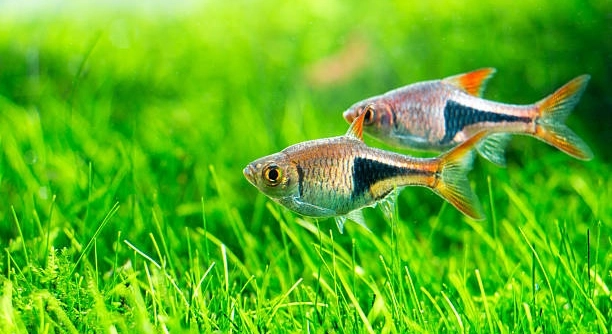
Tank rearrangements can change the environment for Rasboras, small schooling fish that thrive in stable conditions. These changes may influence their behavior, movement, and interactions within the aquarium community. Understanding their response helps maintain a healthy tank.
After a tank rearrangement, Rasboras typically exhibit cautious exploration and increased hiding as they adjust to new surroundings. Their schooling behavior may temporarily weaken, but they generally regain normal patterns once familiar with the changes, ensuring minimal long-term stress.
Recognizing these behaviors allows aquarists to support their Rasboras effectively during transitions and create a balanced, peaceful habitat for all tank inhabitants.
How Rasboras React Immediately After Rearrangement
Rasboras are sensitive to sudden changes in their environment. When a tank is rearranged, they often become cautious and may hide more than usual. This behavior is a natural response to unfamiliar surroundings. You might notice them darting quickly between plants or decorations as they try to understand their new space. Some Rasboras might stop schooling temporarily, swimming independently or in smaller groups. Their activity levels can also vary—some may seem more restless, while others stay still. This adjustment period usually lasts a few hours to a couple of days. Providing plenty of cover, like plants or hiding spots, can help ease their stress. Avoid making additional changes during this time, as too many disturbances can prolong their discomfort. Monitoring their behavior closely ensures they return to normal without complications. Keeping water parameters stable also supports a smoother transition for your Rasboras after rearranging the tank.
This reaction is common and usually short-lived as Rasboras adapt to the new environment.
Maintaining a quiet atmosphere and consistent lighting during the adjustment period helps Rasboras feel secure. Gradually, their normal schooling and feeding habits return.
Signs of Stress and Recovery in Rasboras
Stress in Rasboras can appear as faded colors, erratic swimming, or loss of appetite. It is important to identify these signs early.
Providing a calm, stable environment supports recovery. Ensure water quality remains optimal and avoid sudden temperature changes or aggressive tank mates. Adding gentle water flow and maintaining consistent feeding schedules help Rasboras regain their strength. Giving them space to explore and hide promotes confidence and reduces anxiety. Recovery times vary depending on the individual fish and tank conditions, but with patience, Rasboras usually return to their normal, lively behavior within a week. Watching for these signals allows for timely intervention and better care to keep them healthy after a tank rearrangement.
Adjusting Tank Elements Gradually
Changing the tank’s layout too quickly can unsettle Rasboras. Gradual adjustments help them adapt more easily.
When rearranging the tank, it is best to move one or two elements at a time rather than making all changes at once. This allows Rasboras to get used to each alteration without feeling overwhelmed. For example, rearranging plants or decorations slowly over several days gives the fish time to explore and feel secure in their changing environment. Sudden, large changes may increase stress and disrupt their normal behaviors. Taking this patient approach helps maintain stability in the tank and supports the well-being of Rasboras and other aquatic life.
Small changes also make it easier to monitor the fish’s reactions and adjust if necessary. Keeping track of their behavior after each change can guide future rearrangements, ensuring the tank remains a comfortable home.
Supporting Rasboras During Transition
Proper care during a tank rearrangement encourages quicker adjustment. Keep the environment calm and stable.
Avoid feeding large amounts of food immediately after changes, as Rasboras may eat less while stressed. Offering smaller, more frequent feedings helps maintain their nutrition without overwhelming them. Maintaining stable water conditions is essential—regular testing and partial water changes reduce the risk of sudden chemical shifts that could harm the fish. Adding extra hiding spots with plants or decorations provides places for Rasboras to retreat and feel safe. A dimmer lighting schedule during the first day or two can reduce stress as well. Observing their activity closely helps identify any ongoing issues. These steps contribute to a smoother transition and promote healthy behavior following tank rearrangement.
Monitoring Behavior Closely
Careful observation after rearrangement helps catch any signs of distress early. Watch how Rasboras swim and interact.
Changes in swimming patterns, hiding more than usual, or loss of appetite may indicate stress. Early detection allows for timely care adjustments, preventing longer issues.
Importance of Water Quality
Maintaining clean, stable water conditions is vital for Rasboras’ health. Fluctuations can increase stress and vulnerability to illness.
Regular water testing and partial water changes keep parameters balanced. Clean water supports immune function and helps Rasboras recover faster from environmental changes. Avoid overfeeding and remove uneaten food promptly to prevent water pollution. Monitoring these factors ensures a safe habitat, reducing risks associated with tank rearrangements.
Feeding Adjustments
Reduce feeding amounts slightly after rearrangement to prevent uneaten food buildup and water quality decline.
FAQ
How long does it take for Rasboras to adjust after a tank rearrangement?
Rasboras usually take a few hours to a few days to adjust after changes in their tank. The adjustment period depends on how significant the rearrangement is and the fish’s personality. Minor changes might only cause brief curiosity, while major layout shifts can cause hiding or reduced activity for a day or two. With stable water conditions and a calm environment, Rasboras typically return to normal behavior quickly.
What signs show that Rasboras are stressed after rearranging the tank?
Common stress signs include faded colors, erratic swimming, hiding more than usual, and loss of appetite. Some Rasboras might separate from their school or become unusually inactive. These behaviors indicate discomfort and the need for extra care. Keeping water quality stable and avoiding further disturbances helps reduce stress.
Can Rasboras get sick after a tank rearrangement?
Yes, stress from sudden changes can weaken their immune systems, making them more vulnerable to illnesses like ich or fin rot. Maintaining clean water, stable temperature, and avoiding overcrowding reduces risks. If you notice symptoms like white spots or torn fins, treat promptly to prevent outbreaks.
Should I feed Rasboras less after rearranging their tank?
Reducing food slightly after rearrangement is beneficial since stressed Rasboras may eat less. Offer smaller, more frequent meals to maintain nutrition without polluting the water. Remove uneaten food promptly to keep water clean and avoid ammonia spikes.
Is it okay to rearrange the tank frequently?
Frequent rearrangements can stress Rasboras and disrupt their behavior. It’s best to limit major changes and allow fish time to settle between adjustments. Gradual, minimal changes help maintain a stable environment and promote healthy schooling.
How can I make the tank more comfortable for Rasboras during changes?
Provide plenty of plants and hiding spots to help Rasboras feel secure. Maintain stable lighting and avoid loud noises or sudden movements near the tank. Dim lights briefly after rearranging to reduce stress and create a calm atmosphere. These steps support smoother adaptation.
Will Rasboras stop schooling after rearranging the tank?
Rasboras might temporarily school less or swim in smaller groups as they explore new surroundings. This behavior is normal and usually short-lived. Once they become familiar with the new layout, their schooling patterns typically return to normal.
Can rearranging the tank improve Rasboras’ health or behavior?
Sometimes, rearranging can refresh the environment and reduce boredom for fish, encouraging natural behaviors. However, it should be done carefully and not too often to avoid stress. A well-planned rearrangement can improve swimming space and hiding places, benefiting Rasboras’ overall well-being.
What should I avoid when rearranging a Rasbora tank?
Avoid sudden, large-scale changes that overwhelm the fish. Do not rearrange during breeding or illness periods. Avoid moving or removing all plants at once, and keep water parameters steady. Minimize disturbances such as tapping on the glass or loud noises, which can add to stress.
How can I tell if Rasboras have fully recovered from a tank rearrangement?
Full recovery is shown by a return to normal schooling, active swimming, regular feeding, and bright colors. When Rasboras explore confidently and interact normally with tank mates, they have adjusted well. Consistent observation over several days confirms their comfort level.
These answers should help manage Rasboras well through tank changes and keep their environment healthy.
Final Thoughts
Rearranging a tank where Rasboras live can be a significant event for these small fish. They rely on a stable environment to feel safe and comfortable. When changes happen, their natural response is often cautious and careful as they explore the new setup. It is important to remember that their initial behavior after rearrangement, such as hiding or swimming differently, is a normal part of their adjustment. Providing a calm and stable environment during this time helps them return to their usual behavior more quickly.
Supporting Rasboras through the transition means paying attention to details that affect their well-being. Maintaining water quality and keeping parameters stable are crucial, as even small changes in water chemistry can increase stress. It is also helpful to make changes gradually and avoid overwhelming the fish with too many alterations at once. Adding plants and hiding spots gives them places to feel secure while they explore. Reducing feeding amounts slightly and monitoring their activity can prevent common problems and promote recovery. These steps ensure the tank remains a healthy habitat where Rasboras can thrive.
Overall, patience is key when managing Rasboras after a tank rearrangement. Each fish may respond differently, and some need more time to adjust than others. Observing their behavior closely and providing a peaceful environment will support their well-being. With careful attention and proper care, Rasboras will adapt and continue to show their natural schooling and lively behaviors. This process strengthens the relationship between the aquarist and the fish, contributing to a balanced and enjoyable aquarium.

Hello,
If you enjoy the content that we create, please consider saying a "Thank You!" by leaving a tip.
Every little bit helps us continue crafting quality advice that supports the health, happiness, and well-being of pets around the world, for pets of all shapes, sizes, and species.
We really appreciate the kindness and support that you show us!