
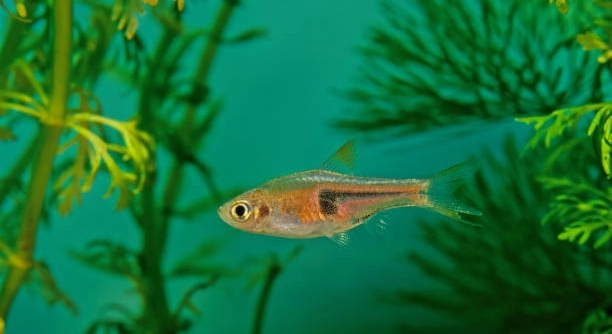
Have you ever thought about what your rasbora might experience when the water in their tank turns cloudy or unclear? These little fish rely on more than just their eyes to navigate their surroundings.
Rasboras often sense their environment in murky water through heightened use of their lateral line system, detecting vibrations and pressure changes. This adaptation helps them locate food, avoid predators, and maintain social interactions even with reduced visibility.
Exploring how rasboras adapt to different water conditions reveals more about their unique survival skills and the fascinating ways they interact with their world.
How Rasboras Use Their Senses in Murky Water
Rasboras are small but resourceful fish that thrive even when their surroundings lack clarity. When the water becomes murky, their vision is no longer their strongest guide. Instead, they rely heavily on their lateral line system. This sensory organ allows them to detect subtle vibrations and pressure changes in the water. By sensing movement nearby, they can determine if it is a predator, potential food, or another fish swimming close. This adaptation helps them stay safe and oriented. It also supports their ability to continue schooling behavior, which is essential for protection and social interaction.
Their heightened senses are a key reason they can remain active even in environments where visibility is low. Rasboras respond quickly to changes around them, which makes them skilled at navigating these situations.
These adjustments allow rasboras to maintain balance, find food, and interact socially, showing how important their sensory systems are in daily survival.
Why Murky Water Matters for Rasboras
Murky water impacts rasboras by making them depend less on sight and more on specialized sensory systems to detect their surroundings. This shift helps them continue thriving even when visibility is poor.
In aquariums and natural habitats, murky water can occur due to debris, plant matter, or bacterial blooms. While it may seem challenging, rasboras adapt by relying on their lateral line system to gather important information. This system functions like an internal radar, giving them awareness of nearby objects, movement, and pressure changes. It also helps them swim cohesively in groups, even when sight is limited. Murky water may influence feeding habits too, as rasboras use vibration detection to sense small prey or food particles drifting nearby. Although murky water is not always ideal, these adaptations reduce stress and help them function effectively. Understanding this reveals how their biology is designed to handle different aquatic conditions.
The Role of the Lateral Line
The lateral line allows rasboras to detect small shifts in water pressure, which gives them awareness of movement around them. This ability is crucial when their eyesight is limited by cloudy or murky water.
Through this system, rasboras can sense nearby fish and avoid predators with quick, instinctive movements. It also helps them maintain their position within a school, even when they cannot see clearly. The lateral line works almost like a guidance tool, keeping them safe while providing constant environmental feedback. This adaptation ensures they are never fully dependent on vision alone.
Their lateral line is also useful for detecting food particles moving through the water. Even in low visibility, they can locate small prey by picking up vibrations. This makes feeding more reliable and consistent. Such sensitivity is a survival advantage, allowing them to thrive in habitats that may not always offer crystal-clear water.
Communication and Social Behavior
Rasboras often communicate through movement and positioning within their group, using their senses to stay connected even when the water is cloudy. Their ability to detect subtle shifts ensures the school remains tightly coordinated.
This behavior provides safety because predators have a harder time isolating a single fish when the group stays aligned. The synchronized swimming also strengthens their social bonds, as every fish plays a role in the collective movement. These patterns are guided not only by sight but by the signals sensed through their lateral line. Together, this creates an effective balance between protection and social interaction, which is essential for their wellbeing.
Their social dynamics are further supported by chemical cues released in the water, allowing them to recognize stress signals or feeding activity. These combined methods of communication create a dependable network for survival. Even with murky water limiting visibility, rasboras remain closely connected. Their ability to coordinate without depending only on sight makes them resilient and adaptive in both natural habitats and aquariums.
Feeding in Low Visibility
Rasboras use their senses to detect vibrations from moving prey, which helps them locate food even when the water appears cloudy. This adaptation keeps their feeding routine steady, regardless of reduced visibility in their environment.
They also respond to scent and chemical cues in the water. These signals help them track down small food particles or prepared feed in aquariums. Combined with their lateral line, these abilities ensure they can sustain themselves without depending entirely on clear water conditions.
Environmental Challenges
When murky water persists, rasboras may face stress if oxygen levels drop or if harmful particles increase. Their senses help them adapt, but prolonged poor conditions can affect their health. Regular tank care and balanced habitats support their natural abilities and prevent unnecessary strain.
Schooling Advantages
By swimming in groups, rasboras reduce risks from predators and improve navigation. Their coordination becomes even more important in cloudy water, where sight is limited. This behavior highlights how social instincts and sensory systems combine to support their survival.
FAQ
Can rasboras see well in murky water?
Rasboras rely less on vision when water becomes murky. Their eyesight works best in clear conditions, but cloudy water reduces its effectiveness. Instead, they depend heavily on their lateral line system, which senses vibrations and water pressure changes. This ability allows them to remain aware of their surroundings even when visibility is poor. Their vision still plays a role, but it is not their main tool in low-clarity environments.
How does the lateral line help rasboras?
The lateral line functions like a sensory network running along the sides of their body. It picks up even the smallest shifts in water movement, allowing them to detect nearby fish, food particles, or potential predators. This system is highly sensitive and gives rasboras the ability to navigate efficiently in murky water. It also keeps them coordinated within their school, so they can move together without depending solely on sight. This adaptation is one of their strongest survival traits.
Do rasboras struggle to find food in cloudy water?
Rasboras are able to locate food even when visibility is limited. They rely on vibrations, chemical cues, and movement in the water. Their lateral line picks up the presence of drifting prey or floating particles, while chemical signals help them detect food sources. This ensures they can still feed effectively in less-than-clear conditions. In aquariums, they will easily adjust to feeding times, following cues from both movement and scent.
Does murky water harm rasboras?
Short-term murkiness does not typically harm rasboras, as they are well adapted to adjust. However, if the water remains cloudy for long periods, it can signal poor water quality. Low oxygen, high waste levels, or harmful bacteria may develop in such conditions. These factors can cause stress and health issues over time. While rasboras can cope with murkiness, maintaining good water conditions is essential for their long-term health and comfort.
Why do rasboras school more tightly in murky water?
Schooling is their way of protecting themselves from threats. In cloudy conditions, sight is less reliable, so they rely on sensing each other’s movements. The lateral line allows them to stay close and swim in unison. This makes it harder for predators to target one fish and provides safety in numbers. It also helps them stay calm, since being part of a coordinated group reduces individual stress levels.
Do rasboras communicate in murky water?
Yes, rasboras communicate using body movements and chemical signals. Even when visibility is low, they sense shifts in movement from other fish and respond accordingly. They can also release chemical cues that indicate stress, feeding activity, or changes in the environment. These forms of communication help the group remain organized and responsive, ensuring their schooling behavior continues without interruption.
How do rasboras stay safe in low-visibility conditions?
They depend on heightened senses rather than sight. The lateral line alerts them to predators, while their schooling behavior keeps them protected in numbers. Together, these adaptations ensure that rasboras can avoid danger and maintain safety in challenging environments. This natural strategy is especially important in the wild, where water conditions may change frequently.
Are rasboras stressed by murky water?
They can tolerate cloudy water for some time, but prolonged exposure may cause stress if the water is poorly maintained. Stress can affect their immune system, making them more vulnerable to illness. While they are adaptable, it is best to ensure clean, balanced water conditions in an aquarium. Their senses help them cope, but stable care supports long-term wellbeing.
Can rasboras thrive in aquariums with cloudy water?
They can manage, but thriving requires healthy water conditions. Occasional cloudiness is not a problem, especially if caused by harmless debris or temporary bacterial blooms. However, if murkiness is linked to waste buildup or poor filtration, it can harm them over time. Aquarists should ensure regular maintenance to keep conditions safe. Rasboras thrive best when water is clean but can rely on their senses when clarity is reduced.
What makes rasboras so adaptable to different water conditions?
Their adaptability comes from their sensory systems and social behavior. The lateral line gives them awareness beyond sight, while schooling keeps them protected. They can also respond to chemical cues, helping them adjust to changes in their surroundings. These traits combine to make them resilient fish, capable of surviving and interacting effectively even when water quality shifts. This adaptability is one reason they are popular in aquariums and successful in natural habitats with varied conditions.
Final Thoughts
Rasboras are fascinating fish that show just how well animals can adapt to different environments. When the water becomes murky, they do not lose their ability to move, feed, or interact. Instead, they use specialized senses like the lateral line to detect vibrations and changes in pressure. This adaptation gives them an advantage, helping them stay alert to predators, find food, and remain connected with their group. What may seem like a challenge to us becomes an opportunity for them to show their resilience. Their ability to adjust reminds us that nature often finds simple yet effective ways to solve problems.
Understanding how rasboras manage in cloudy water also helps us as caretakers. In aquariums, murky water can happen for many reasons, such as excess food, waste buildup, or natural bacterial growth. While rasboras are capable of navigating such conditions, prolonged murkiness is not ideal. Their health and comfort still depend on balanced and stable water. Regular tank maintenance, careful feeding, and good filtration support their natural abilities and keep them stress-free. By providing a healthy environment, we make sure their sensory systems are tools of strength rather than means of coping with poor conditions. Observing them thrive under proper care also gives us a deeper appreciation for their adaptability.
The way rasboras sense and react to murky water highlights the complexity hidden in even the smallest creatures. Their survival strategies are not only about instinct but about cooperation and communication as well. Schooling together, relying on chemical signals, and responding to subtle shifts in their surroundings show how finely tuned their lives are. Watching them move in perfect rhythm, even when visibility is low, offers insight into the strength of their social bonds. These qualities make them more than just colorful additions to a tank. They are active beings with remarkable strategies that allow them to flourish despite challenges. By respecting their needs and learning from their adaptations, we not only ensure their wellbeing but also gain a closer connection to the quiet resilience found in aquatic life. Their story reminds us that survival often depends on awareness, cooperation, and the ability to adapt with grace.

Hello,
If you enjoy the content that we create, please consider saying a "Thank You!" by leaving a tip.
Every little bit helps us continue crafting quality advice that supports the health, happiness, and well-being of pets around the world, for pets of all shapes, sizes, and species.
We really appreciate the kindness and support that you show us!