
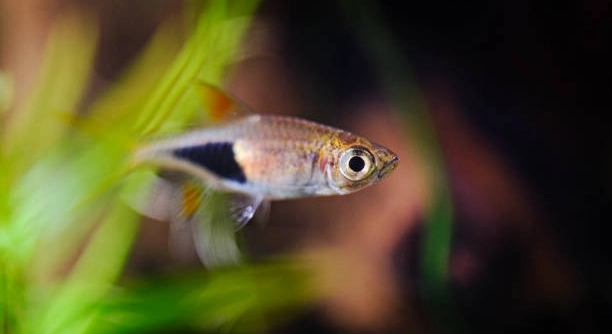
Rasboras are small, active fish often found near the bottom of freshwater tanks and streams. Their behavior near the substrate reflects their natural habits and needs in their environment. Understanding what they seek can improve their care and well-being.
Rasboras typically search for food, shelter, and safety near the bottom. They may forage for tiny insects or plant matter, use the area for hiding from predators, or seek comfortable resting spots among plants or decorations.
Knowing these basic needs can help create a more suitable habitat for your rasboras. This knowledge encourages better tank setup and healthier fish behavior.
Food Sources Near the Bottom
Rasboras often spend time near the bottom looking for small bits of food that sink down. They eat tiny insects, larvae, and leftover flakes or pellets that fall through the water. This part of the tank provides a steady supply of nutrients, especially when there is live or frozen food added regularly. Some rasbora species enjoy nibbling on algae or plant matter found on the substrate. By exploring the bottom, they can find a mix of protein and plant-based foods to keep them healthy. Providing a varied diet that reaches the bottom helps ensure they get enough to eat without competing too much with other fish in the tank. A clean and well-maintained substrate also supports a balanced environment where food is available without causing water quality problems.
Feeding near the bottom mimics their natural foraging habits and keeps them active.
Careful feeding and tank maintenance encourage natural behavior and a healthy environment for rasboras.
Shelter and Safety
Rasboras use the bottom area as a safe place to hide from predators or strong currents. Plants, rocks, and decorations create shelter that helps them feel secure. This reduces stress and improves their overall health. They prefer areas with dim light and plenty of cover to retreat when needed. Keeping the bottom well-planted or decorated allows rasboras to rest comfortably. Without proper shelter, they may become skittish or hide excessively, which is not good for their well-being.
Substrate and Environment
The type of substrate in the tank plays a role in how comfortable rasboras feel near the bottom. Smooth sand or fine gravel is ideal because it is gentle on their delicate fins and bodies. Rough or sharp substrates can cause injury or stress. A substrate that mimics their natural habitat encourages exploration and natural behaviors like foraging and resting. Adding leaf litter or natural materials also improves water quality by supporting beneficial bacteria. The environment should balance cleanliness with natural elements, so the fish feel safe and their biological needs are met. Regular cleaning helps keep the substrate healthy, preventing buildup of waste that can harm the fish. Proper lighting and gentle water flow complete the setup, making the bottom a peaceful zone for rasboras to thrive.
Social Behavior Near the Bottom
Rasboras often stay close to the bottom to stay near their group. They feel safer when swimming in schools, especially near cover or plants. Staying together reduces stress and helps them avoid predators naturally.
In groups near the bottom, rasboras show calm and coordinated movements. They rely on each other for cues and protection, which encourages natural schooling behavior. This behavior is important for their mental health and reduces aggression among tank mates. A well-structured environment with hiding spots encourages social interaction while giving space for rest. When rasboras are comfortable, their colors become brighter, and they are more active.
Rasboras also use the bottom area to communicate quietly through body language and small movements. These signals keep the group connected and maintain harmony, which benefits the whole tank community.
Breeding and Nesting Habits
Some rasbora species use the bottom to lay eggs, often attaching them to plants or smooth surfaces. This area offers protection and stable conditions for eggs to develop. Providing fine-leaved plants or moss encourages breeding activity. A calm and secure bottom environment reduces stress during spawning, which improves success rates. Careful water quality management and gentle filtration support egg health, preventing damage or fungal growth. Rasboras show a natural instinct to guard their spawning area by staying close to the bottom during breeding times. This behavior ensures the eggs remain safe until they hatch. Creating a habitat that mimics their natural breeding environment helps encourage these natural cycles.
Resting and Recovery
Rasboras often use the bottom as a quiet place to rest. It provides a safe spot away from strong currents and bright light. Resting near plants or decorations helps them recover energy.
During rest, rasboras remain alert but inactive. This time is essential for maintaining their health and stamina.
Water Quality Impact
The condition of the water near the bottom affects rasbora behavior significantly. Poor water quality can stress fish, leading to illness or hiding. Regular cleaning and good filtration keep the environment stable, reducing risks of harmful ammonia or nitrite buildup. Healthy water encourages natural activity and feeding near the substrate.
Tank Setup Tips
A well-planned tank setup includes smooth substrate, live plants, and gentle water flow. These elements create a comfortable bottom area for rasboras to explore and rest. Avoid overcrowding to maintain water quality and reduce stress.
Observing Behavior
Watching rasboras near the bottom offers insight into their well-being. Changes in activity or hiding patterns can signal health or environment issues that need attention.
FAQ
Why do rasboras spend so much time near the bottom?
Rasboras stay near the bottom because it offers food, shelter, and safety. They naturally forage for small insects, algae, and leftover food that sinks down. The bottom also provides places to hide from predators or bright light, which helps reduce their stress. This behavior is common in many species of rasboras and reflects their natural environment.
How can I make the bottom area more comfortable for my rasboras?
Use smooth sand or fine gravel as the substrate to avoid injuring their delicate fins. Add live plants, rocks, and decorations to create hiding spots and shelter. Keep the area clean with regular vacuuming to remove waste but avoid disturbing the fish too much. Gentle water flow and dim lighting near the bottom also help rasboras feel secure.
What kind of food do rasboras look for near the bottom?
Rasboras search for tiny insects, larvae, algae, and sinking pellets or flakes. They prefer a mix of protein and plant matter to stay healthy. Offering live or frozen foods that reach the substrate encourages natural foraging and keeps them active. Avoid overfeeding to prevent water quality problems.
Do rasboras rest on the bottom?
Yes, rasboras rest near the bottom, usually among plants or decorations where they feel safe. This resting time is important for their health and helps them recover energy. During rest, they stay alert but calm. Providing a quiet, low-light area near the bottom supports this natural behavior.
Is the bottom area important for rasbora breeding?
For some species, yes. Rasboras may lay eggs on plants or smooth surfaces near the bottom. A calm, well-planted bottom encourages spawning and protects eggs from harm. Maintaining stable water conditions and gentle filtration improves the chances of successful breeding.
Can poor water quality near the bottom harm rasboras?
Absolutely. Waste tends to accumulate at the bottom, and without proper cleaning, harmful chemicals like ammonia can build up. This stresses the fish and can cause illness. Regular tank maintenance, including substrate vacuuming and water changes, is essential to keep the environment safe and healthy.
Why do rasboras stay in groups near the bottom?
Rasboras are schooling fish, and staying in groups near the bottom makes them feel safer. Being close together reduces stress and helps protect them from predators. This social behavior also encourages natural movement and brightens their colors.
How can I tell if my rasboras are stressed near the bottom?
Signs include excessive hiding, sluggish movement, faded colors, or loss of appetite. Stress often comes from poor water quality, lack of hiding spots, or aggressive tank mates. Observing changes in behavior helps catch problems early and improve care.
Should I use plants in the bottom area?
Yes, live plants provide shelter, improve water quality, and offer surfaces for breeding. Fine-leaved plants or moss are ideal since they allow rasboras to hide and explore safely. Plants also help mimic their natural habitat and reduce stress.
What is the best lighting for rasboras near the bottom?
Soft or dim lighting near the bottom works best. Bright lights can cause stress and force rasboras to hide excessively. Using floating plants or adjusting light levels helps create a comfortable environment where they can rest and feed naturally.
Rasboras are small, peaceful fish that naturally spend time near the bottom of their habitat. This behavior helps them find food, stay safe, and rest comfortably. By understanding what rasboras look for near the bottom, we can better care for them and create a tank environment that supports their needs. Offering a suitable substrate, such as fine gravel or sand, along with live plants and gentle water flow, makes the bottom area welcoming for these fish. This kind of setup encourages natural behaviors like foraging, schooling, and resting, which are important for their overall health.
Feeding plays an important role in why rasboras spend time near the bottom. They search for small insects, larvae, and plant matter that settle on the substrate. Providing a balanced diet that includes sinking pellets, frozen or live foods helps them thrive. It’s also important to maintain good water quality by cleaning the substrate regularly and ensuring proper filtration. This keeps the environment safe and reduces stress, preventing illness. Rasboras also benefit from hiding spots among plants and decorations, which give them shelter and comfort. These elements combined support their natural lifestyle and improve their well-being in an aquarium setting.
Watching rasboras near the bottom can give clues about their health and comfort. When they appear active, show bright colors, and school together, it means the environment is working well. If they hide too much or seem sluggish, it may be time to check water quality or tank setup. Breeding habits, resting patterns, and social behavior also occur near the bottom, so paying attention to these details can help keep rasboras happy. Overall, a clean, safe, and thoughtfully arranged bottom area is key to helping rasboras feel secure and live healthy lives. Taking these simple steps will improve their experience and make your aquarium more enjoyable to watch.

Hello,
If you enjoy the content that we create, please consider saying a "Thank You!" by leaving a tip.
Every little bit helps us continue crafting quality advice that supports the health, happiness, and well-being of pets around the world, for pets of all shapes, sizes, and species.
We really appreciate the kindness and support that you show us!