
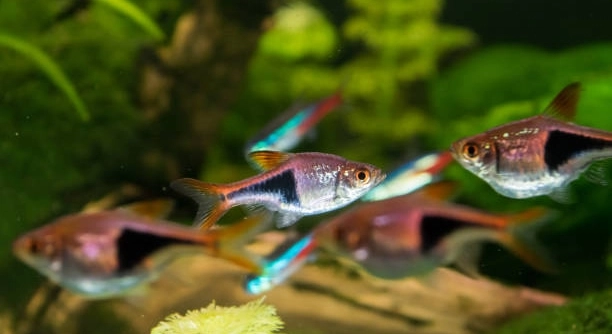
Rasboras are small, peaceful fish often seen quietly hovering in aquariums. When they stay still, it might look like they are simply resting or avoiding activity. Their calm presence adds charm to any tank environment.
Rasboras remain still primarily to conserve energy, assess their surroundings, and avoid potential threats. This behavior helps them maintain balance within their social groups and ensures survival by reducing unnecessary movement.
Observing these moments closely can reveal much about their health and environment. Understanding why they pause helps keep them comfortable and thriving in home aquariums.
Why Rasboras Stay Still in Groups
Rasboras often gather in small groups and remain still together. This behavior is a natural way to feel safe. When they stay close and still, it helps them watch out for any dangers nearby. In the wild, this kind of group behavior protects them from predators. Even in aquariums, this instinct remains strong. Being still together helps them communicate through small movements and body language. It also reduces stress by keeping the group calm. When one fish senses a threat, the others quickly follow. This quiet time also lets them rest without leaving their safe space. Watching them stay still as a group is a good sign they feel secure and comfortable in their environment.
Staying still in groups also helps rasboras save energy for when they need to swim actively.
These group pauses are important. They let rasboras build trust and understand their place in the tank hierarchy. A tank with calm, still groups usually means the fish are happy and healthy. Watching these moments can tell you a lot about their comfort level and social balance. Creating a calm, stable tank environment encourages this natural behavior, which is great for their well-being.
How Environment Affects Rasbora Movement
Tank conditions strongly influence when and why rasboras stay still.
Lighting, temperature, and water quality all impact their behavior. Bright lights or sudden changes can cause them to freeze in place as they adjust. Cooler water might slow them down, leading to more still moments. Clear water and good filtration help them feel safe enough to swim freely and rest calmly. Decorations and plants give hiding spots that encourage stillness when they want to feel protected. Too much noise or vibration around the tank can make them nervous, causing longer still periods. Keeping a consistent and peaceful environment reduces stress and helps rasboras move naturally. A stable setup with soft lighting and plenty of cover lets them balance activity with quiet rest.
Providing the right environment is key to healthy rasbora behavior. Watching their stillness patterns can help spot any issues early. It’s helpful to maintain stable tank conditions so your fish can relax and thrive. Adjusting temperature, light, and decorations based on their needs will encourage more natural movement. If your rasboras start staying still too much or hiding, it might mean something in the tank needs attention. By paying attention to how the environment affects their stillness, you create a happier home for your fish. This care supports their natural instincts and overall health.
Signs Rasboras Use When Staying Still
Rasboras communicate a lot through their body language while staying still. Small fin movements or subtle shifts in position can show curiosity or caution. These signals help them share information with other fish nearby without drawing too much attention from predators.
When a rasbora stays still but flicks its fins gently, it might be checking its surroundings or signaling calmness to its group. If its body is rigid and eyes wide, it could be feeling threatened or stressed. Watching these subtle cues can help you understand how your fish feel. Quiet moments often serve as communication times where they build social bonds or decide whether it’s safe to move.
Sometimes, a rasbora will freeze completely when startled, using stillness as a defense. This pause lets them blend into their environment until danger passes. Understanding these signs is useful for creating a peaceful tank that meets their needs.
Resting Behavior and Energy Conservation
Rasboras stay still to save energy, especially after active swimming or feeding. Resting helps them maintain health without using unnecessary effort. This quiet time supports growth and keeps their immune systems strong.
In the wild, conserving energy is vital for survival, so this behavior is deeply rooted. Even in home tanks, rasboras keep this habit. They often float gently among plants or near the bottom, where they feel safest. The stillness allows them to recover and prepare for their next burst of activity. Ensuring your tank has calm areas and gentle water flow encourages this resting behavior.
Too much movement or stress can tire rasboras quickly, so stillness is a natural balance. By offering a peaceful environment, you help them stay active when they need to and rest fully when they want to. This balance improves their well-being and longevity.
Resting Spots in the Aquarium
Rasboras often choose specific spots to stay still and rest. These areas usually have plants, rocks, or decorations that offer shelter. Such hiding places help them feel secure while conserving energy.
They prefer calm corners with soft lighting. These spots reduce stress and make resting more effective.
The Role of Water Flow
Water flow impacts how often rasboras stay still. Strong currents make them work harder to swim, so they rest more between bursts of activity. Gentle flow encourages steady movement without tiring them.
Too much flow can cause stress and force rasboras to stay still longer to recover.
Stress and Stillness
Stress causes rasboras to freeze or hide for extended periods. Sudden changes or poor water quality often trigger this behavior.
Reducing stress factors helps them feel safe and move naturally again.
FAQ
Why do rasboras sometimes stay still for a long time?
Rasboras stay still for long periods mainly to rest and conserve energy. They might also be feeling cautious or stressed, especially if something in their environment changes suddenly. This stillness is a natural way for them to protect themselves and assess the surroundings without drawing attention. If your fish often freeze, check water quality, lighting, and tank conditions to make sure everything is stable and safe.
Is it normal for rasboras to stop moving completely?
Yes, it is normal for rasboras to freeze completely at times. This behavior helps them blend into their environment and avoid predators. However, if they remain still for too long without swimming or eating, it might be a sign of illness or stress. Monitor them closely and check water parameters to rule out health problems.
Can rasboras get stressed from too much movement in the tank?
Yes, excessive activity or sudden changes in the tank, such as loud noises or vibrations, can stress rasboras. Stress often causes them to stay still or hide more than usual. Keeping a calm environment with minimal disturbances helps reduce stress and encourages natural movement.
How does water temperature affect rasbora activity?
Water temperature plays a big role in how active rasboras are. Cooler water can slow their metabolism, causing them to move less and rest more. Warmer water increases activity but should remain within safe limits to avoid stress. Maintaining a stable temperature suited for rasboras helps balance their energy and resting needs.
Do rasboras stay still more when they are sick?
Yes, sickness often leads to increased stillness. If a rasbora is unwell, it might isolate itself, stay still near the bottom or hiding spots, and reduce its swimming. Look for other signs like faded colors, clamped fins, or loss of appetite. Prompt care and water testing are important to help a sick fish recover.
Why do rasboras stay still in groups?
Rasboras stay still in groups to feel safer. Being together allows them to watch for threats as a unit and communicate quietly. This behavior lowers stress and conserves energy for all fish in the group. Group stillness is a natural social behavior that keeps them balanced.
How can I tell if rasboras are resting or hiding due to stress?
Resting rasboras stay still calmly, often in open areas or near plants, without showing signs of distress. Stressed or hiding fish tend to stay tucked away in dark corners or behind decorations, may have clamped fins, and avoid other fish. Watching their body language helps distinguish resting from hiding.
Do changes in lighting cause rasboras to stay still?
Sudden changes in lighting can make rasboras freeze or hide temporarily. They prefer gradual light shifts and soft illumination. Bright or flickering lights increase stress, leading to more stillness or hiding. Using a timer for lights and dim settings creates a comfortable environment.
Is it normal for rasboras to stay still after feeding?
Yes, after feeding, rasboras often rest to digest their food. This quiet time helps them absorb nutrients without expending extra energy. If they remain still but alert and healthy-looking, it’s a normal part of their routine.
What should I do if my rasboras are staying still too much?
If rasboras stay still excessively, check water quality for ammonia, nitrite, and nitrate levels. Review tank conditions like temperature, flow, and lighting. Also, look for signs of illness or bullying from tank mates. Adjusting the environment or seeking advice from a vet can improve their activity and health.
Rasboras are calm fish that often stay still for good reasons. Their stillness is a natural part of how they live and interact in their environment. When they pause, they might be resting, saving energy, or keeping an eye on what is happening around them. This behavior is important for their well-being and helps them feel safe in their home. Watching rasboras stay still can give clues about their mood and health. It shows that they trust their surroundings and the other fish in the tank.
The environment plays a big role in how much rasboras stay still. Factors like water temperature, lighting, and water flow affect their comfort and activity levels. A tank with soft lighting, gentle water currents, and plenty of hiding spots encourages them to rest naturally. When they feel stressed or unsafe, they might stay still more often or hide for longer periods. Keeping a clean and stable tank helps reduce stress and allows rasboras to move and rest as needed. Understanding these small details about their behavior can help you provide the best care.
If you notice your rasboras are still more than usual or seem unhappy, it’s a sign to check their environment and health. Changes in behavior can be an early warning of illness or poor water conditions. Making sure their tank is balanced and peaceful supports their natural habits and keeps them healthy. Paying attention to their stillness is part of caring for them well. With the right conditions and care, rasboras will thrive and bring calm beauty to your aquarium.

Hello,
If you enjoy the content that we create, please consider saying a "Thank You!" by leaving a tip.
Every little bit helps us continue crafting quality advice that supports the health, happiness, and well-being of pets around the world, for pets of all shapes, sizes, and species.
We really appreciate the kindness and support that you show us!