
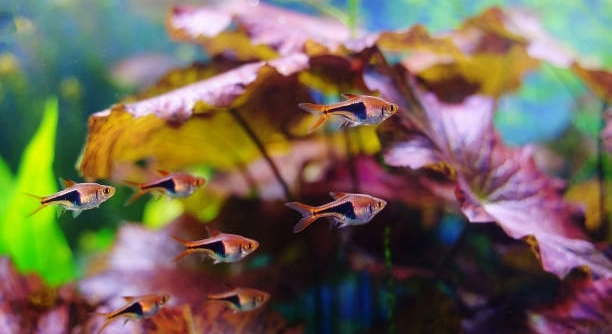
Many aquarium owners notice their rasboras behaving differently when the water gets warmer than usual. These small fish can show changes in movement and activity that hint at how they cope with heat. Understanding these signs is helpful for fish care.
When water temperature rises beyond their comfort zone, rasboras often reduce their activity, seek cooler or shaded areas, and may increase gill movement to cope with lower oxygen levels. These responses help them survive short-term temperature stress.
Knowing what rasboras do during heat stress can improve how you care for them and maintain a healthy tank environment.
How Rasboras React to Warm Water
When the water temperature rises, rasboras tend to slow down and swim less actively. They often stay near the surface or find shaded spots in the tank where the water might feel cooler. Their breathing rate increases as they try to get more oxygen since warm water holds less oxygen than cold water. You might notice them hovering around filters or aeration bubbles, where oxygen is more available. If the heat lasts too long, some rasboras may become stressed, which can weaken their immune system and make them more vulnerable to diseases. It’s important to monitor the temperature regularly and keep it within their preferred range. Adding plants or decorations that provide shade can help them feel more comfortable. Keeping the tank clean and well-oxygenated also supports their health during warmer times.
Rasboras use these behaviors to adapt and protect themselves from the negative effects of heat stress.
Adjusting tank conditions can prevent serious harm and promote their well-being during warmer periods.
Preventing Heat Stress in Rasboras
Keeping the tank temperature stable is key to avoiding heat stress in rasboras.
To prevent problems, it helps to use a reliable aquarium heater and thermometer, even if you don’t need to warm the water. Monitoring temperature daily allows you to spot any sudden rises early. Proper ventilation and a good filtration system also help maintain cooler, oxygen-rich water. Adding floating plants or rearranging decorations can create shaded areas for the fish to retreat to when it gets warm. If the weather outside is very hot, placing the tank away from direct sunlight or using a fan to cool the room can help. When temperatures rise, partial water changes with cooler water can lower the tank’s heat quickly and safely. These small steps make a big difference in keeping rasboras comfortable and healthy all year long.
Signs of Heat Stress in Rasboras
Heat stress in rasboras shows through changes in behavior and appearance. They might gasp for air at the surface or stay still more than usual.
Physical signs include faded colors and clamped fins. These are clear indicators that the fish are uncomfortable. Rapid breathing is also common as they try to get enough oxygen. If stress continues, rasboras can become lethargic and lose appetite, affecting their overall health. It’s important to act quickly when these signs appear to avoid serious illness.
Noticing these signs early helps prevent long-term damage. Adjusting the tank environment can relieve stress and improve your fish’s quality of life.
How to Cool Down Your Aquarium
Lowering the tank temperature gradually is important to avoid shocking the fish. Using a fan aimed at the water surface helps increase evaporation and cool the tank naturally.
Partial water changes with cooler water can reduce temperature effectively. Be sure not to use water that is too cold, as sudden shifts can harm your rasboras. Installing a chiller is an option if warm spells happen often or last long. Maintaining proper oxygen levels during cooling is essential, so adding an air stone or improving filtration helps. These methods create a more stable, comfortable environment for your fish.
Feeding Rasboras in Warm Water
Rasboras tend to eat less when the water is too warm. Overfeeding during this time can cause water quality issues.
It’s best to reduce feeding amounts and offer smaller meals. This helps prevent leftover food from polluting the tank and keeps the fish comfortable.
Adjusting Tank Maintenance During Heat
During warm periods, cleaning the tank more often is important. Waste and uneaten food can break down faster, harming water quality.
Regular water changes and filter checks help keep the environment healthy. Staying on top of maintenance supports your rasboras’ wellbeing in warmer water.
Monitoring Water Quality
Testing water parameters regularly is crucial when temperatures rise. High heat can speed up harmful changes in ammonia and nitrate levels.
Keeping water clean and stable prevents stress and illness in rasboras. Use water test kits often and respond quickly to any problems.
Using Plants to Help Cool the Tank
Adding live plants provides shade and natural cooling. Plants also improve oxygen levels, helping fish cope with heat.
FAQ
What is the ideal water temperature for rasboras?
Rasboras usually do best in water between 72°F and 78°F (22°C to 26°C). Keeping the temperature in this range helps them stay active and healthy. Temperatures above 80°F (27°C) can cause stress and reduce oxygen levels, which is harmful over time.
How quickly should I cool down the tank if it gets too warm?
Cool the tank gradually over several hours to avoid shocking your fish. A sudden drop in temperature can cause stress or illness. Use a fan or partial water changes with slightly cooler water to lower the temperature slowly.
Can rasboras survive short periods of high temperature?
Yes, rasboras can tolerate brief increases in temperature if the water remains well-oxygenated. However, long periods of heat can weaken their immune system, making them more vulnerable to diseases.
What are the best ways to increase oxygen levels in warm water?
Adding an air stone or increasing water movement with a filter helps improve oxygen levels. Live plants also add oxygen during the day. Make sure your tank isn’t overcrowded, as too many fish reduce oxygen availability.
Is it safe to use a chiller for a small aquarium?
Yes, chillers are effective for maintaining stable temperatures, especially in warmer climates or during heatwaves. Make sure the chiller matches your tank size to avoid rapid cooling or energy waste.
How often should I check the water quality during warm weather?
Test water parameters like ammonia, nitrites, nitrates, and pH at least once a week during hot weather. Warm water speeds up chemical changes, so frequent monitoring helps catch problems early.
Should I change my feeding routine during warm spells?
Yes, feed smaller amounts more often and avoid overfeeding. Warm water slows fish metabolism, so they need less food. Extra food left uneaten can spoil water quality and stress your fish.
Can adding plants help regulate tank temperature?
Plants provide shade and natural cooling through evaporation and transpiration. They also improve oxygen levels, which benefits fish during heat stress. Choose hardy plants that tolerate warm water well.
What signs show my rasboras are stressed from heat?
Look for slow or erratic swimming, gasping at the surface, faded colors, clamped fins, and reduced appetite. These signs mean the fish are struggling and need cooler, better-oxygenated water.
How do I prevent heat stress in a home aquarium?
Maintain stable temperatures using heaters and fans, avoid direct sunlight on the tank, add plants for shade, and do regular water changes. Keeping the tank clean and monitoring water quality prevents many heat-related issues.
Can heat stress cause diseases in rasboras?
Yes, heat stress weakens their immune system, making infections more likely. Common illnesses include fungal infections and parasites. Early detection and better tank conditions help reduce disease risks.
Is it okay to use ice packs to cool the tank?
Ice packs can cool water but should be used carefully. Wrap them in plastic and avoid sudden temperature changes. Slow cooling is safer to protect your fish from shock.
How do I know if my tank’s filter is working well in warm water?
If the water stays clear, oxygen levels are good, and the fish seem active, the filter is doing its job. Clean or replace filter media regularly to maintain performance, especially during warm weather.
Can heat cause fish to stop eating altogether?
Sometimes, yes. Warm water can stress rasboras and lower their appetite. Watch closely if they refuse food for more than a couple of days, as this could indicate serious stress or illness.
What’s the best temperature range to avoid oxygen problems in the tank?
Keeping the tank between 72°F and 78°F helps maintain good oxygen levels. Above this, oxygen dissolves less in water, so extra aeration is needed if temperatures rise.
Are some rasbora species more tolerant of heat than others?
Yes, some species tolerate slightly warmer water better, but most prefer similar temperature ranges. Always research the specific needs of your rasbora species to provide the best care.
Can I use a fan to cool the water surface?
Yes, directing a fan at the water surface increases evaporation and lowers temperature. This is a simple, effective way to cool the tank without sudden changes.
How does high temperature affect breeding in rasboras?
Warm water can disrupt breeding cycles or cause eggs and fry to develop poorly. Stable, moderate temperatures increase the chances of successful breeding.
What plants are best for helping rasboras in warm tanks?
Plants like Java fern, Anubias, and floating plants such as duckweed provide shade and oxygen without requiring cool water. They are easy to care for and help maintain a healthy environment.
When should I seek help from a vet or aquarium expert?
If heat stress signs continue despite changes in tank conditions or your fish show symptoms of illness like spots, swelling, or abnormal behavior, professional advice is important to prevent losses.
Keeping rasboras healthy means paying close attention to their environment, especially water temperature. When the water gets too warm, these small fish can become stressed, which affects their behavior and overall health. It’s normal for rasboras to swim slower, breathe faster, and seek cooler or shaded areas when the temperature rises. Knowing these signs helps you understand when they need help. Making small changes like improving aeration or creating shaded spots in the tank can make a big difference in how comfortable your fish feel.
Controlling the tank temperature is one of the best ways to protect your rasboras from heat stress. Using tools like a reliable thermometer, fan, or even a chiller can keep the water within a safe range. Regular water changes with cooler water also help when temperatures climb too high. At the same time, it’s important to avoid sudden temperature changes that can shock the fish. A slow and steady approach to cooling the tank is safer and less stressful. Alongside temperature control, keeping the water clean and well-oxygenated supports the health of your rasboras during warmer times.
Lastly, good tank maintenance and feeding routines play a vital role in helping rasboras cope with warmer water. Feeding smaller amounts and reducing meal frequency prevents leftover food from polluting the tank. Regularly testing the water and cleaning the tank removes harmful chemicals and waste that build up faster when it’s warm. Adding live plants can provide shade and improve oxygen levels, helping your fish feel more at ease. By staying aware and acting quickly when temperatures rise, you give your rasboras the best chance to stay healthy and happy.

Hello,
If you enjoy the content that we create, please consider saying a "Thank You!" by leaving a tip.
Every little bit helps us continue crafting quality advice that supports the health, happiness, and well-being of pets around the world, for pets of all shapes, sizes, and species.
We really appreciate the kindness and support that you show us!