
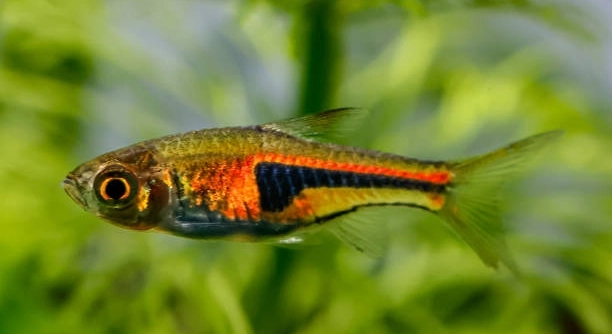
Rasboras are small, active fish that often respond to their environment in interesting ways. When they sense movement nearby, their behavior can change noticeably. Observing these subtle reactions offers insight into their nature and habits.
When Rasboras feel observed, they typically become more alert and may gather in tighter groups. This response is a natural defense mechanism to reduce perceived threats and increase their chances of safety within the aquarium environment.
These simple behaviors reveal a lot about how Rasboras interact with their surroundings and adapt to perceived changes.
How Rasboras React to Being Watched
When Rasboras notice they are being watched, their first reaction is usually a shift in movement and position. They may swim closer together, forming a tight group as a way to feel safer. This schooling behavior helps protect them from potential threats by making them look larger and more intimidating. You might also see them pause or slow down, keeping a careful eye on what is nearby. Sometimes, they hide behind plants or decorations in the tank to avoid direct attention. These fish are naturally cautious and aware of their surroundings, so being observed triggers instincts that help them stay alert. Watching these responses can teach you how sensitive Rasboras are and how important it is to maintain a calm environment in their tank to keep them comfortable.
Being aware of these reactions helps create a better habitat that supports their natural behavior and reduces stress.
Understanding these patterns can improve your interaction with Rasboras, allowing them to thrive in their environment.
The Importance of Environment in Rasbora Behavior
Rasboras rely heavily on their environment to feel secure and comfortable. A tank with plenty of hiding spots, such as plants and decorations, allows them to escape when they feel observed or stressed. Open spaces without cover can make them more nervous and reactive, which leads to constant schooling or hiding. Lighting also plays a role—too bright and they may become uneasy, while dimmer light helps them relax. Water quality and temperature must be stable, as any sudden changes add to their stress. Providing an environment that mimics their natural habitat reduces their defensive behaviors and encourages natural activity. Observing these details makes it easier to keep your Rasboras calm and healthy, especially when they sense movement outside the tank. Adjusting the tank setup based on their responses creates a peaceful space for them to thrive.
Signs Rasboras Show When They Feel Observed
Rasboras often display subtle but clear signs when they realize someone is watching. These signs include tighter schooling, increased alertness, and occasional hiding behind plants or decorations. Their fins may also flare slightly as a protective measure.
Their movement becomes more synchronized as a group, helping them feel less vulnerable. You might notice them stopping briefly to assess the situation before continuing to swim. This behavior is instinctive, aiming to reduce the chance of being singled out by predators. Even in a safe aquarium, this response remains strong because it is deeply ingrained. Watching these signs closely can help you understand when your Rasboras feel uneasy and allow you to adjust your interaction with them accordingly.
Some Rasboras may also show mild color changes when observed, becoming slightly paler or darker. This reaction is part of their natural stress response and can indicate discomfort or alertness.
How to Help Rasboras Feel Less Stressed
Creating a calm environment is key to helping Rasboras relax when they feel watched. Using gentle lighting and adding plenty of plants or decorations gives them places to retreat. Avoid sudden movements near the tank, which can startle them and trigger stress behaviors. Keeping water conditions stable is also essential, as fluctuations add to their anxiety. When Rasboras feel secure, their schooling becomes more natural and less defensive.
Maintaining a predictable routine around the aquarium helps Rasboras adjust to human presence. Regular feeding times and gentle observation reduce their stress over time. Being mindful of how often and how quickly you approach the tank supports their comfort and well-being. With consistent care, Rasboras gradually become less reactive, allowing you to enjoy their natural behavior more fully.
The Role of Tank Mates in Rasbora Behavior
Tank mates can influence how Rasboras react when observed. Peaceful companions help reduce stress and encourage natural behavior. Aggressive or overly active fish may cause Rasboras to become more defensive and skittish. Choosing compatible species is important for a balanced aquarium.
When Rasboras share their space with calm fish, they feel less threatened. This comfort allows them to swim freely without hiding or tight schooling, even if they know someone is watching.
Effects of Feeding Time on Rasbora Reactions
Feeding time often changes how Rasboras respond to observation. When food is present, they become more focused on eating and less concerned about watchers. Their schooling may loosen as they compete gently for food. This distraction reduces stress and encourages interaction with their environment.
Adjusting Your Behavior Around Rasboras
Approach the tank slowly and quietly to avoid startling Rasboras. Sudden movements can cause them to scatter or hide, increasing stress. Maintaining calm and predictable actions around the aquarium promotes their comfort and natural behavior.
FAQ
Why do Rasboras group together when they feel observed?
Rasboras naturally school as a defense mechanism. When they sense someone watching, they group tightly to appear larger and safer. This behavior helps protect them from predators by reducing the chance that any one fish is singled out. Even in a calm aquarium, this instinct remains strong.
How can I tell if my Rasboras are stressed from being watched?
Signs of stress include tight schooling, hiding behind plants, rapid or erratic swimming, and sometimes color changes. They may also stop eating or become less active. Watching for these behaviors helps you know when they are uncomfortable and need a calmer environment.
Can constant observation harm my Rasboras?
Constant watching can increase their stress levels, making them less active and more prone to illness. It’s important to observe without disturbing them too often or too abruptly. Giving them quiet time helps maintain their health and natural behavior.
What’s the best way to interact with Rasboras without causing stress?
Approach the tank slowly and avoid sudden movements or loud noises. Regular, calm visits at feeding times help Rasboras get used to your presence. Over time, this lowers their stress and makes them more comfortable with being observed.
Do Rasboras get used to being watched over time?
Yes, with gentle and consistent interaction, Rasboras can become less reactive. They learn to recognize harmless activity near the tank and respond less defensively. Patience and a stable environment are key to helping them adapt.
Are some Rasbora species more sensitive to observation than others?
Some species may be naturally more skittish due to their size or temperament, but most Rasboras share similar cautious behavior. Researching specific species helps tailor care and interaction to their needs.
How important is tank setup for reducing observation stress?
A well-planted tank with plenty of hiding spots is crucial. It allows Rasboras to retreat if they feel threatened. Proper lighting and stable water conditions also support a calm environment, reducing stress responses to observation.
Can Rasboras recognize their owner or frequent visitors?
While not like mammals, Rasboras can become familiar with regular patterns and people near their tank. This recognition reduces stress since they associate those presences with safety and feeding.
What should I avoid doing around my Rasboras?
Avoid tapping the glass, making sudden moves, or yelling near the tank. These actions startle them and increase stress. Also, avoid overfeeding, which can affect water quality and overall health, indirectly stressing the fish.
How does feeding affect Rasbora behavior when observed?
During feeding, Rasboras focus more on food and less on external movement. This distraction lowers their defensive behaviors, making feeding times a good opportunity for gentle interaction without causing stress.
Final Thoughts
Rasboras are sensitive fish that respond strongly to their surroundings. When they feel observed, their behavior changes as a natural way to protect themselves. They tend to group closely, swim more carefully, or find places to hide. These reactions come from instincts developed to avoid danger. Even in safe aquarium settings, these behaviors remain because they are part of how Rasboras stay alert and safe. Understanding these reactions helps in providing better care for them and creating a comfortable environment.
Creating a peaceful tank setup is important for Rasboras to feel secure. Providing plenty of plants, decorations, and hiding spots allows them to relax when they sense attention. Stable water conditions and proper lighting also reduce stress. It is helpful to move slowly and quietly near the tank, especially during feeding times, so Rasboras can become more accustomed to being observed. Over time, they may become less reactive and show more natural behavior. Small changes in how we interact with the aquarium make a big difference in their comfort.
Taking care of Rasboras means paying attention to their body language and reactions. When they school tightly or hide often, it is a sign they feel uneasy. By adjusting the tank environment and our behavior, we can reduce their stress. This not only helps them stay healthy but also makes watching them more enjoyable. Calm, gentle care encourages Rasboras to thrive and display their full range of behaviors. Keeping these points in mind ensures a better experience for both the fish and those who observe them.

Hello,
If you enjoy the content that we create, please consider saying a "Thank You!" by leaving a tip.
Every little bit helps us continue crafting quality advice that supports the health, happiness, and well-being of pets around the world, for pets of all shapes, sizes, and species.
We really appreciate the kindness and support that you show us!