
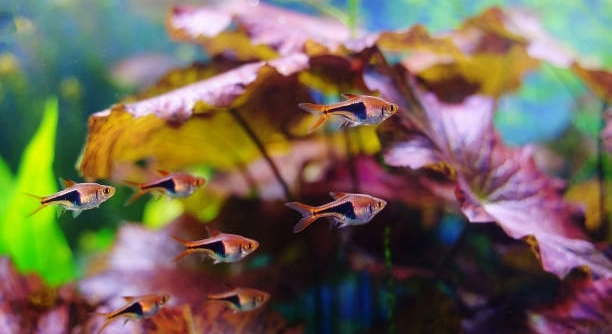
Many aquarium owners keep Rasboras as peaceful, colorful additions to their tanks. Understanding what these small fish do when left alone helps ensure their well-being. This article explores their behavior during solitary moments in captivity.
Rasboras tend to remain still or explore their environment quietly when left alone. They may seek shelter among plants or decorations, conserving energy while staying alert. These behaviors are natural responses to solitude and environmental changes.
Knowing how Rasboras act alone can improve tank setup and care. It helps create a balanced environment that supports their natural instincts and overall health.
How Rasboras Behave When Alone
When Rasboras are left alone, they often become less active compared to when they are in groups. These fish are naturally social and tend to swim together, so solitude can make them more cautious and reserved. They may hide more frequently behind plants or tank decorations, seeking security in their environment. In some cases, they swim slowly or hover in one spot, conserving energy until other fish return. This behavior is a way to reduce stress and avoid attracting attention from potential threats. Over time, if they stay alone for long periods, Rasboras might show signs of lethargy or decreased appetite. Ensuring they have places to hide and calm surroundings can help them feel safer. Understanding these responses is important to maintain their health and comfort, especially for those keeping small groups or single Rasboras in tanks.
Rasboras rely on their environment for security and adapt their behavior based on solitude or company.
This natural adjustment shows how much social interaction influences their activity. Alone, they focus on safety by reducing movement and staying near cover. This behavior prevents stress and keeps them healthy. Owners can support Rasboras by providing a well-planted tank and gentle lighting. Monitoring their eating habits and activity levels during these times is helpful. If they appear inactive for long stretches, it might be necessary to add more fish or enrich the tank. Small groups encourage more natural swimming and interaction. Ultimately, recognizing these patterns lets caretakers make informed decisions to support their Rasboras’ well-being and happiness in captivity.
Environmental Factors Affecting Solitary Rasboras
Tank conditions play a big role in how Rasboras act when alone. Factors like water quality, temperature, and tank layout can affect their stress levels and behavior.
Keeping water clean and stable helps prevent stress that can worsen inactivity. A tank with plenty of plants, hiding spots, and smooth surfaces offers comfort and safety. Proper temperature encourages normal metabolism and activity. Bright or sudden lighting may cause them to hide more often. Noise and vibrations from outside the tank can also increase their cautiousness. Careful attention to these details ensures solitary Rasboras remain healthy and less stressed, even when by themselves.
Signs of Stress in Solitary Rasboras
Rasboras may show stress through changes in color, reduced swimming, or hiding excessively. Loss of appetite and unusual swimming patterns are also common signs to watch for.
Stress in solitary Rasboras often results from feeling vulnerable without their school. They may appear pale or dull compared to their usual bright colors. These fish might stay at the bottom or in hiding spots for longer than normal. Inactivity can indicate they are conserving energy due to discomfort. Changes in behavior such as rapid gill movement or erratic swimming can signal distress. Recognizing these signs early helps prevent health problems. Providing a calm environment with minimal disturbance can reduce stress. Adding tank mates can also improve their well-being by restoring social interaction.
Keeping an eye on feeding habits is important. A stressed Rasbora might refuse food or eat less, which can weaken its immune system. Offering high-quality, varied food and maintaining stable water conditions support recovery. Stress reduction ensures Rasboras stay active and healthy, even when alone for short periods.
Supporting Rasboras When Left Alone
Providing plenty of plants and hiding spaces is essential for solitary Rasboras. It helps them feel safe and less exposed to potential threats.
Creating a secure environment allows Rasboras to explore without fear. Plants, caves, and decorations offer refuge and reduce anxiety. Gentle water flow and low lighting improve comfort. Maintaining water quality by regular testing and cleaning is vital to prevent additional stress. Feeding small, frequent meals encourages natural foraging behavior. Observing their activity and health regularly ensures prompt care if needed. Sometimes, adding peaceful tank mates helps meet their social needs. However, new fish introductions should be gradual to avoid more stress. Overall, a well-prepared tank supports Rasboras’ natural habits and promotes better health when they are on their own.
Common Misunderstandings About Rasbora Behavior
Many assume Rasboras thrive perfectly when kept alone, but this is rarely true. Their social nature means isolation often affects their behavior and well-being.
Rasboras need interaction with others of their kind. Solitude can lead to stress and inactivity, which may be mistaken for calmness or contentment. Proper care involves recognizing their social needs.
Feeding Alone Rasboras
Feeding solitary Rasboras requires attention to portion size and timing. Small, frequent meals help maintain their energy and interest in food.
Overfeeding can cause water quality issues, so it is important to monitor their intake carefully. A balanced diet keeps them healthy and active.
Monitoring Health in Solitary Fish
Regular observation of Rasboras’ appearance and activity is essential. Changes can indicate health issues early on.
Prompt action improves recovery chances and maintains their quality of life in the tank.
FAQ
How long can Rasboras stay alone without stress?
Rasboras are schooling fish, so they feel safest in groups. Being alone for a short time, such as a few hours or a day, usually does not cause much stress. However, longer periods of isolation may lead to behavioral changes like hiding, inactivity, or reduced appetite. Ideally, Rasboras should be kept with at least three to five other Rasboras to maintain their natural social behavior and reduce stress.
Can Rasboras survive completely alone in a tank?
Yes, Rasboras can survive alone, but it is not ideal for their well-being. Solitary Rasboras tend to be less active and may show signs of stress, such as loss of color or hiding frequently. While they can live alone if necessary, keeping them in groups allows them to display natural swimming and social patterns, which helps keep them healthy and happy.
What are the signs that a Rasbora is stressed when alone?
Signs include pale or dull coloration, reduced swimming or hiding for long periods, loss of appetite, and unusual swimming behaviors like darting or staying at the tank’s bottom. Rapid gill movements or erratic swimming are also indicators. Watching for these signs can help catch problems early and allow for adjustments in care.
How can I reduce stress for a solitary Rasbora?
Providing plenty of hiding spots like plants, caves, or decorations helps them feel secure. Keeping water clean, stable in temperature, and avoiding sudden loud noises or bright lights also reduces stress. Feeding small, frequent meals can encourage natural behavior and provide comfort. If possible, adding peaceful tank mates can restore social interaction.
Is it better to keep Rasboras in groups or pairs?
Groups are much better than pairs. Rasboras naturally swim in schools of five or more, which makes them feel safe and encourages normal behavior. Pairs may not provide enough social stimulation, and solitary fish can become lonely or stressed. For the best care, aim for a small school of at least five Rasboras.
What should I do if I notice my Rasbora is inactive?
First, check the water quality and temperature to ensure they are within the proper range. Look for signs of illness like spots or fin damage. Provide hiding places if they are missing. If the inactivity persists, consider adding more Rasboras to the tank, as social interaction often stimulates activity. Consulting a vet or fish specialist is also helpful if health issues seem likely.
Can Rasboras get lonely like humans?
While fish do not experience loneliness exactly as humans do, Rasboras are social creatures that rely on group interaction for comfort and security. When alone, they often reduce activity and show stress signs. Their need for company is instinctive and important for their mental and physical health.
Do Rasboras need special care when alone?
Yes, they need extra attention to their environment. This includes more hiding spaces, gentle water flow, stable conditions, and close monitoring of their behavior and feeding habits. Without companions, their environment must be especially comfortable to prevent stress and keep them healthy.
Can adding other fish species help a solitary Rasbora?
Adding peaceful fish species can sometimes help by providing social interaction, but it depends on the temperament of the tank mates. Aggressive or very different fish may increase stress. Choose calm species that won’t compete for food or territory. Still, Rasboras generally do best with their own kind.
How often should I feed a solitary Rasbora?
Feed small amounts two to three times daily to mimic natural feeding habits and maintain energy. Overfeeding should be avoided as it can pollute the water and harm fish health. Watch their eating behavior and adjust portions accordingly to keep them healthy.
What plants and decorations are best for solitary Rasboras?
Live plants like Java fern, Anubias, and floating plants provide excellent cover and help maintain water quality. Smooth decorations and caves offer hiding places without sharp edges that could injure fish. A mix of tall and low plants creates a natural environment that reduces stress and encourages exploration.
Are there differences in behavior between Rasbora species when alone?
Yes, some species are more social and active than others. For example, Harlequin Rasboras tend to be more active and stressed when alone, while Chili Rasboras may be quieter but still prefer company. Understanding the specific species you keep helps tailor their care for solitary periods.
Final Thoughts
Rasboras are naturally social fish that thrive best when kept in groups. Their behavior changes noticeably when they are left alone. They tend to become less active, often hiding more and swimming less. This is a natural way for them to stay safe and conserve energy when they feel vulnerable. While they can survive alone for short periods, being solitary for long times can lead to stress and health issues. Understanding their needs and how they react to solitude is important for anyone caring for these fish.
Creating a comfortable environment helps reduce stress for solitary Rasboras. Providing plenty of plants, hiding spots, and calm water conditions encourages them to feel secure. Stable temperature and clean water are essential. Feeding small meals regularly supports their energy and wellbeing. Watching for signs of stress, like changes in color or appetite, allows quick action to improve their condition. When possible, adding more Rasboras to form a small group benefits their natural behavior and overall health. Social interaction plays a key role in keeping these fish active and happy.
Taking care of Rasboras means recognizing their social nature and adapting their environment accordingly. If you must keep a Rasbora alone, paying close attention to tank setup and daily care can help reduce stress. Avoiding sudden changes and maintaining a peaceful atmosphere supports their comfort. Regular observation and timely adjustments will ensure they remain healthy even when alone. By understanding these aspects, you can provide a better life for Rasboras and enjoy watching their natural behaviors in your aquarium.

Hello,
If you enjoy the content that we create, please consider saying a "Thank You!" by leaving a tip.
Every little bit helps us continue crafting quality advice that supports the health, happiness, and well-being of pets around the world, for pets of all shapes, sizes, and species.
We really appreciate the kindness and support that you show us!