
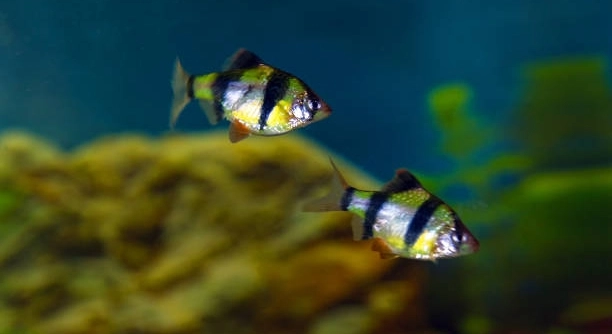
Do your tiger barbs suddenly swim with sharp, flashy movements that seem more intense than usual, especially around other fish in the tank?
Tiger barbs flash their fins primarily as a form of social signaling, often linked to mating behavior, territory defense, or establishing dominance. These displays are natural and reflect their active, semi-aggressive temperament in a community aquarium environment.
From subtle cues to bold interactions, learning why they flash can help you better understand their needs and behavior in shared tanks.
Why Tiger Barbs Flash Their Fins
Tiger barbs are active fish with a strong sense of social behavior. Flashing their fins is a natural way for them to communicate within their group. It often happens during interactions like chasing, mating, or when a new fish is added to the tank. These quick, flashy movements can also be a show of dominance or an effort to defend their space. In groups, the more dominant fish may flash their fins frequently to keep their rank. Sometimes, the behavior increases when they’re excited or feel threatened. Tank conditions, such as lighting and temperature, can also influence their activity levels and social displays. While this behavior may seem aggressive, it’s usually a normal part of their daily routine and helps maintain their social balance.
Flashing is not always aggressive. It can be playful or part of their natural rhythm, especially when tank mates are peaceful and the environment is stable.
If the behavior becomes too intense or constant, it’s important to check for stress signs. Look at water quality, tank size, and compatibility with other fish. Healthy, well-fed tiger barbs in a balanced group usually flash their fins without causing trouble. Watching them interact this way can even be a sign that they’re active and engaged.
When Fin Flashing Becomes a Problem
Sometimes, flashing can turn into chasing or nipping, which may stress other fish. This can happen when tiger barbs are kept in small groups.
To reduce aggressive displays, it’s best to keep tiger barbs in groups of at least six. They are schooling fish, and being in a proper group helps them distribute their energy more evenly, avoiding bullying behaviors. A larger group allows the dominant behavior to be spread out, making it less likely that one fish will be singled out. It’s also important to avoid pairing them with slow or long-finned fish, as tiger barbs may nip at them out of boredom or curiosity. A spacious tank with hiding spots can help reduce tension. Balanced lighting and steady water parameters also encourage calm behavior. If aggression persists, try rearranging the tank to reset territorial habits. Ensuring their dietary needs are met can further reduce stress and overactive behavior. A well-set environment supports their social behavior without creating harm.
Environmental Triggers That Affect Fin Flashing
Lighting, water movement, and temperature shifts can make tiger barbs more active. Sudden changes in their tank environment can cause them to flash more often as they react to stress or unfamiliar conditions.
Tiger barbs prefer a consistent environment. Strong lighting or a rapid temperature drop may cause agitation and lead to fin flashing. Keep the tank at a stable temperature between 74°F and 79°F and avoid placing it in areas with direct sunlight or draft. Sudden shifts in pH or ammonia levels can also trigger overactive behavior. Regular testing helps prevent these changes. Gentle water flow and balanced filtration support calm swimming. Tank layout also matters—open space combined with planted areas gives them room to swim while offering cover to feel secure. Avoid bright, harsh lighting and use a timer to create a reliable day-night cycle, which helps reduce unnecessary stress and overreactions.
When the environment feels unpredictable, tiger barbs become more reactive. They may start flashing more frequently or chase others. This behavior is often a sign that something isn’t quite right in the tank. Keep their surroundings clean and stable, with consistent feeding times and routine water changes. A calm space encourages natural behavior without constant overactivity.
Mating Behavior and Fin Displays
Fin flashing is also a mating signal, especially in males trying to get the attention of females. This usually comes with more vivid coloring and quick, repetitive movements.
During mating periods, male tiger barbs become more active. Their fins and stripes often darken, and they may swim in short bursts around females while flashing. This is their way of showing strength and readiness to breed. If multiple males are in the tank, they may compete, leading to even more flashing. Provide dense plants or spawning mops to give females places to hide or rest. This helps prevent stress during courtship. A slightly higher water temperature around 78°F can encourage breeding, along with small daily water changes. Offering protein-rich foods like brine shrimp or bloodworms supports healthy breeding behavior. These flashing movements are temporary and usually fade after spawning. Watching this pattern helps you recognize when your barbs are entering a reproductive phase.
Social Hierarchies in Tiger Barb Groups
Tiger barbs often flash their fins when establishing their rank within the group. This is a common part of their social structure and helps prevent more serious fights.
Keeping them in larger groups helps balance this behavior. Smaller groups often cause one fish to become overly dominant or stressed.
Signs of Stress-Related Flashing
Stress-related flashing is often more frantic or frequent than normal. It may come with signs like hiding, loss of appetite, or faded colors. Poor water quality, overcrowding, or aggressive tank mates are common triggers. Regular checks and adjustments help reduce this kind of flashing before it becomes harmful.
When to Monitor Closely
If flashing turns into repeated chasing or fin nipping, it’s time to step in. Consistent behavior changes may signal deeper issues in the tank.
FAQ
Why do tiger barbs flash their fins at other fish?
Flashing fins at other fish is a way for tiger barbs to communicate. It often signals dominance or an effort to establish social order within the tank. This behavior can also be part of mating rituals or a method to defend territory. In groups, it helps reduce serious fights by setting clear boundaries.
Is fin flashing a sign of aggression?
Not always. While fin flashing can look aggressive, it is usually a natural social behavior. Tiger barbs are semi-aggressive by nature, so fin flashing helps them manage interactions without escalating to biting or injury. However, if flashing is constant and paired with chasing or nipping, it could indicate stress or overcrowding.
How many tiger barbs should I keep together?
It’s best to keep at least six tiger barbs together. This allows them to spread out their social energy, reducing bullying and aggression. Smaller groups tend to increase stress and dominant behavior, leading to more intense flashing and possible injuries among tank mates.
Can fin flashing damage other fish?
Fin flashing itself doesn’t cause damage, but if it leads to chasing or fin nipping, other fish might get hurt. Slow-moving or long-finned species are more vulnerable to nipping. Choosing compatible tank mates and providing hiding spots can help protect more passive fish.
Does water quality affect fin flashing?
Yes. Poor water quality can increase stress, causing tiger barbs to flash their fins more frequently. Keeping ammonia, nitrite, and nitrate levels in check and maintaining a stable pH reduces stress-induced behaviors. Regular water changes and proper filtration are essential to keep the tank environment healthy.
Can lighting influence flashing behavior?
Bright or inconsistent lighting can make tiger barbs more reactive, leading to increased fin flashing. Using moderate, consistent lighting with a set day-night schedule helps create a stable environment, reducing unnecessary flashing caused by sudden light changes or glare.
Does feeding affect fin flashing?
A proper diet supports overall health and can reduce stress-related flashing. Tiger barbs enjoy a varied diet including flakes, pellets, and occasional live or frozen foods like brine shrimp. Overfeeding or poor nutrition may cause irritability or lethargy, both of which can influence flashing behavior.
Is fin flashing more common during breeding?
Yes. Males flash their fins to attract females and show strength during courtship. This flashing is often more vivid and frequent but usually slows down once spawning is complete. Providing proper conditions like plants for hiding and slightly warmer water encourages healthy breeding behavior.
How can I reduce aggressive fin flashing?
Keeping tiger barbs in larger groups, maintaining good water quality, and providing plenty of swimming space can reduce aggression. Avoid mixing them with slow or long-finned fish. Rearranging tank decorations can reset territorial boundaries and calm aggressive displays.
When should I be concerned about fin flashing?
Concern is needed when flashing leads to constant chasing, fin damage, or stress signs like hiding and loss of appetite. These may indicate overcrowding, poor tank conditions, or incompatible tank mates. Addressing these issues early prevents injury and promotes a healthier tank environment.
Tiger barbs flashing their fins is a natural part of their behavior. It is mostly a way for them to communicate with each other, whether to show dominance, defend territory, or attract mates. This flashing is common in healthy, active fish and usually does not cause harm when they are kept in a proper environment. Understanding why they flash helps fish keepers create better tanks and reduce stress for the fish.
It is important to maintain good tank conditions to keep tiger barbs calm and balanced. Stable water temperature, good water quality, and a suitable group size are key factors. Keeping at least six tiger barbs together helps spread out their social energy, which lowers aggressive behavior. Providing hiding spots and plants also supports their need for security. If the flashing becomes constant or is paired with chasing and fin nipping, it might mean there is stress or overcrowding in the tank that needs to be addressed.
Watching tiger barbs flash their fins can also be interesting because it reveals a lot about their social lives. This behavior shows their natural instincts and how they interact with their tank mates. With proper care and attention to their environment, this flashing will remain a normal, healthy part of their behavior. Taking simple steps to meet their needs ensures a peaceful tank and happy fish.

Hello,
If you enjoy the content that we create, please consider saying a "Thank You!" by leaving a tip.
Every little bit helps us continue crafting quality advice that supports the health, happiness, and well-being of pets around the world, for pets of all shapes, sizes, and species.
We really appreciate the kindness and support that you show us!