
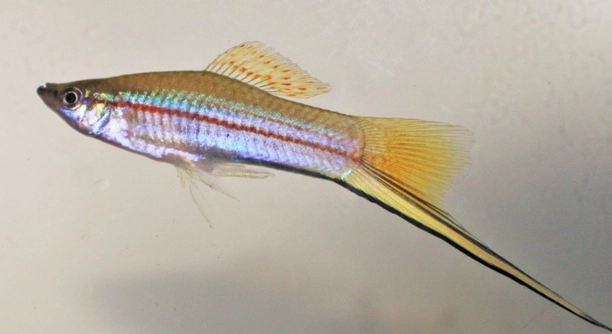
Swordtails are popular aquarium fish known for their vibrant colors and lively personalities. However, like many species, they can sometimes show aggressive behavior. Understanding why this happens can help owners create a peaceful environment for them.
Swordtails can become aggressive due to factors like territory disputes, mating competition, or overcrowding. Environmental stressors such as poor water conditions can also trigger aggressive behavior. These fish are naturally territorial and may display aggression when feeling threatened.
Managing the aquarium environment, maintaining proper water quality, and providing ample space are key to reducing aggression in swordtails. By understanding their behavior, you can help keep your fish calm and happy in their habitat.
Factors That Trigger Swordtail Aggression
Swordtails, like many fish, can act aggressively when certain conditions arise. One of the primary reasons for this behavior is competition. When there are too many males in one space, they often fight for dominance or mates. This is especially true during mating season. Territorial disputes also arise when they feel their space is being invaded by another fish. Overcrowding is another issue that can cause tension. If the tank is too small for the number of swordtails, aggression tends to increase as they compete for space and resources.
Water quality also plays a significant role. Poor water conditions can make swordtails stressed, leading them to act out. When fish feel threatened or uncomfortable, aggression becomes a way of coping. Tank mates are another consideration. Some species may clash with swordtails, intensifying aggression. Keeping a peaceful community tank with compatible fish is key.
Swordtails are relatively peaceful in the right environment, but keeping them in overcrowded or poorly maintained tanks can lead to constant aggression. Monitoring their surroundings is essential in keeping them calm. Adding hiding spots or plants can give them space to retreat from unwanted attention.
Mating Behavior and Aggression
During mating season, male swordtails become more aggressive, vying for the attention of females. Males often chase, nudge, or even nip at each other in competition. This natural behavior can sometimes lead to fights, especially if there are multiple males in a confined space.
If one male feels it has been outcompeted, it may continue to act aggressively, not just toward the other males but also toward females. The constant chasing can stress the females and make them more prone to hiding or avoiding interaction. In such cases, the aggressive behavior can become disruptive for the entire tank.
A good way to reduce this aggression is to have a higher female-to-male ratio. If there are more females, males are less likely to engage in constant competition. Additionally, providing plenty of hiding spots for the females can help keep them safe from overly persistent males. This way, you ensure a peaceful mating environment for all swordtails.
Overcrowding and Stress
Overcrowding is a major stress factor for swordtails, leading to increased aggression. When there are too many fish in one space, swordtails feel their territory is under threat. This causes them to act aggressively toward other fish, often resulting in constant fighting and stress.
If the tank is too small or has too many fish, the swordtails may feel they have nowhere to retreat. This makes them more irritable and more likely to start territorial disputes. It’s crucial to ensure your tank has enough space for each fish to swim freely and claim its own territory. Swordtails thrive in environments where they can feel secure and not constantly challenged by other fish.
To avoid overcrowding, make sure to stick to the recommended stocking limits for your tank size. Regularly monitor the water quality, and remove any excess fish to reduce the chances of aggression. This helps create a more harmonious environment for your swordtails to thrive in.
Water Quality and Aggression
Poor water quality can stress swordtails, making them more likely to act aggressively. If the water is too warm, dirty, or improperly filtered, swordtails might start fighting. Clean, well-maintained water encourages better behavior and reduces aggression.
Ammonia and nitrite levels should be kept low, as high concentrations can make swordtails feel unsafe. A good filtration system and regular water changes can prevent these problems. Testing the water frequently helps to ensure it’s in the ideal range for your swordtails. If you neglect water quality, expect an increase in aggression as the fish grow more stressed.
Tank Mate Compatibility
Not all fish get along with swordtails, and some can increase aggression. Aggressive or territorial tank mates, such as bettas, can make swordtails feel threatened, causing them to react defensively. It’s important to choose peaceful fish that won’t add to the tension.
Some peaceful species, like neon tetras or Corydoras, make good companions for swordtails. When introducing new fish, always monitor their behavior closely. If aggression arises, consider separating incompatible species to ensure your swordtails remain calm and healthy. Choosing tank mates wisely is key to avoiding conflict.
Environmental Enrichment
Swordtails, like many fish, benefit from an enriched environment. Adding plants, rocks, or decorations gives them hiding spots and places to claim as their own. This helps reduce territorial disputes and gives the swordtails a sense of security.
These elements mimic the natural environment and encourage swordtails to express their natural behaviors in a healthy way. Additionally, they provide visual barriers that help reduce direct confrontations. A well-decorated tank keeps swordtails busy and content, lowering stress levels and helping maintain peace among tank mates.
FAQ
Why are my swordtails chasing each other?
Chasing behavior among swordtails is typically due to territorial disputes or mating competition. Males will chase each other to establish dominance, especially if there are multiple males in the same tank. During mating season, this chasing can also be part of the courtship ritual, as males compete for the attention of females. If you notice excessive chasing, it may be a sign that the tank is too small or overcrowded, leading to increased competition for space and mates. Providing hiding spots or rearranging the tank layout can help reduce stress and aggression.
Can I keep multiple male swordtails together?
Keeping multiple male swordtails together can lead to aggression, especially if the tank is too small. Male swordtails are territorial and may engage in constant fighting to establish dominance. To reduce aggression, it’s best to have a higher ratio of females to males. A 1:2 or 1:3 male-to-female ratio can help minimize competition. Additionally, providing plenty of hiding spots or tank dividers can help create separate territories for each fish. If you’re planning to have more than one male, ensure the tank is spacious enough for all the fish to avoid overcrowding.
What should I do if my swordtails are constantly fighting?
If your swordtails are constantly fighting, it’s crucial to address the tank’s environment. Start by checking for overcrowding—too many fish in a small space can increase aggression. Ensure the water quality is optimal, as poor conditions can also cause stress and aggression. Adding plants, rocks, or decorations can create hiding spots and separate territories, reducing direct confrontations. If the fighting persists, consider removing the most aggressive fish or separating them into different tanks. A well-maintained tank with enough space will help create a more peaceful environment.
Do swordtails get along with other species?
Swordtails are generally peaceful but can become aggressive toward certain species, particularly if they feel their territory is threatened. When choosing tank mates, consider species that are non-aggressive and share similar water and temperature requirements. Good companions for swordtails include peaceful species like neon tetras, Corydoras, or other livebearers. Avoid species known for being territorial or aggressive, such as bettas or certain cichlids. Always monitor the behavior of all tank mates closely to ensure that no conflicts arise. A well-matched community tank will reduce the chances of aggression.
How can I reduce aggression in swordtails?
To reduce aggression in swordtails, focus on providing a calm and secure environment. Start by ensuring your tank is not overcrowded—give each fish enough space to establish its territory. A higher female-to-male ratio can also help reduce competition during mating. Regular water changes and proper filtration maintain water quality, preventing stress. Adding plenty of plants, rocks, or decorations allows swordtails to claim individual territories and hide from more aggressive fish. Lastly, avoid mixing swordtails with overly territorial or aggressive species to keep the peace in the tank.
How many swordtails should I keep together?
The number of swordtails you can keep together depends on the size of your tank. As a general rule, it’s best to have at least 10 gallons of water per 3-4 swordtails. Overcrowding can lead to stress, aggression, and poor water quality. If you’re keeping a group of swordtails, make sure to provide plenty of space for them to swim freely. Larger tanks allow for more fish, but it’s still important to consider the fish’s size and behavior when determining stocking levels. Always ensure that your tank has enough space for each swordtail to feel secure.
Are swordtails aggressive towards each other?
Swordtails can be aggressive toward each other, especially males. Males are territorial and may fight to establish dominance, particularly when there are multiple males in a confined space. The aggression usually increases during mating season, as males compete for the attention of females. However, aggression can be minimized by keeping a higher ratio of females to males and providing plenty of space and hiding spots. If aggression becomes a problem, consider rearranging the tank or separating the more aggressive fish to reduce conflicts.
Do swordtails need a specific tank setup to thrive?
Swordtails thrive in a well-maintained tank with the right water parameters. They prefer slightly alkaline water with a temperature range of 72-82°F (22-28°C). A tank with plenty of swimming space and hiding spots is essential, as it reduces stress and prevents aggression. Plants, rocks, and decorations help create a natural environment and give swordtails places to hide or claim territory. Swordtails are active swimmers, so they need enough space to move around. Regular water changes and good filtration are also important to keep the water clean and reduce the risk of stress-related aggression.
Can swordtail aggression affect their health?
Yes, excessive aggression can negatively impact the health of swordtails. Constant fighting and stress can lead to physical injuries, such as torn fins, and can weaken their immune systems, making them more susceptible to illness. Stress from aggression can also cause changes in eating habits, leading to malnutrition. Over time, the prolonged stress from aggression can shorten the lifespan of your swordtails. To ensure their health, it’s essential to manage aggression through proper tank setup, water quality, and careful selection of tank mates. Regularly monitoring behavior and addressing any issues early on is key to maintaining their well-being.
What are the signs of stress in swordtails?
Stress in swordtails can manifest in several ways, including changes in behavior and appearance. Stressed swordtails may become less active, spend more time hiding, or stop eating altogether. You might also notice that they display erratic swimming or even aggression toward other tank mates. Physical signs of stress include faded colors, clamped fins, or torn fins from fighting. Poor water quality, overcrowding, or incompatible tank mates are common causes of stress. If you notice any of these signs, it’s important to address the cause quickly to prevent further harm to your swordtails.
Final Thoughts
Swordtails are generally peaceful fish, but like any species, they can become aggressive under certain circumstances. Understanding what triggers this behavior, such as competition for mates, territorial disputes, or stress from overcrowding, can help owners manage it effectively. By making the right adjustments in tank size, water quality, and fish companions, swordtail aggression can be minimized. The goal is to create an environment where swordtails feel secure and comfortable, which will reduce stress and promote peaceful behavior.
When setting up a tank for swordtails, providing enough space is one of the most important factors to keep in mind. Overcrowding can cause stress, leading to fighting and aggression. A spacious tank with plenty of hiding spots for all fish can help reduce territorial behavior and give each swordtail the space it needs to thrive. Additionally, regular water changes and good filtration are essential for maintaining water quality, as poor water conditions can cause stress and worsen aggressive behavior. Keeping the water clean and balanced ensures that the swordtails stay healthy and peaceful.
Choosing the right tank mates is also a crucial part of maintaining a calm environment. Swordtails generally get along with peaceful fish, but some species can cause stress or even provoke aggression. By selecting tank mates that share similar temperaments and care requirements, you can create a harmonious community tank. A higher female-to-male ratio can also help reduce competition and fighting among males, especially during breeding periods. Taking these steps can go a long way in ensuring that your swordtails remain healthy, happy, and peaceful in their tank.

Hello,
If you enjoy the content that we create, please consider saying a "Thank You!" by leaving a tip.
Every little bit helps us continue crafting quality advice that supports the health, happiness, and well-being of pets around the world, for pets of all shapes, sizes, and species.
We really appreciate the kindness and support that you show us!