
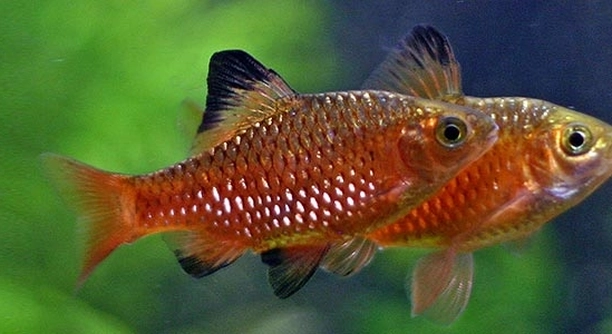
Rosy barbs are small, colorful fish known for their lively swimming patterns. Observing them often reveals an unusual behavior—they tend to swim at odd angles rather than straight lines. This unique movement catches the eye and invites closer attention.
The reason rosy barbs swim at odd angles is primarily due to their natural instincts and body structure. Their angled swimming helps with balance and maneuverability in water, allowing them to respond quickly to their environment and potential threats.
Understanding this behavior can improve how you care for these fish and create a better environment for them to thrive.
Why Rosy Barbs Swim at Odd Angles
Rosy barbs swim at odd angles due to their body shape and natural instincts. Their streamlined but slightly flattened bodies make angled swimming more efficient for quick turns. This helps them avoid predators and navigate crowded or complex environments. Swimming at an angle also improves their ability to detect changes in water currents and nearby movement. In tanks or ponds, this behavior might seem unusual, but it’s a natural way for them to stay alert and ready to react. Their behavior also reflects their schooling nature, where angled swimming helps maintain spacing and coordination with other fish. When they feel comfortable and safe, rosy barbs may swim more smoothly, but the angled swimming remains part of their daily movement.
This swimming style is common among many small fish species with similar body shapes. It’s an adaptation that enhances survival in the wild and captivity.
Recognizing this behavior helps fishkeepers set up appropriate tank environments with enough space and hiding spots. It reduces stress for the fish and encourages healthy activity.
How Environment Affects Rosy Barbs’ Swimming
Tank size and decoration play a role in how rosy barbs swim. A cramped tank or lack of cover may cause them to swim more erratically or at sharper angles. When the environment is spacious and enriched, their movements become calmer and more fluid. This also encourages natural schooling patterns and reduces stress. Providing plants and hiding areas helps them feel secure and less prone to sudden darting motions. Clean water and stable temperature support their overall health, which is reflected in how they swim.
When setting up a tank, consider their need for open swimming space combined with spots to hide. Proper care and environment help maintain their natural swimming behavior.
The Role of Social Behavior in Swimming Angles
Rosy barbs are social fish that swim in groups, which influences their swimming angles. Schooling helps them stay safe by confusing predators. Their angled swimming helps maintain spacing within the group and allows them to respond quickly to changes in movement around them.
Schooling behavior requires constant adjustment in swimming direction and speed. Rosy barbs use angled swimming to stay synchronized with their group while avoiding collisions. This movement also allows them to communicate nonverbally through body language and positioning. When one fish changes direction, others follow at similar angles to keep the school tight. This natural pattern reduces stress and keeps the group cohesive.
When kept alone or in small numbers, rosy barbs may swim more erratically and display more unusual angles. Providing a group of at least six encourages natural schooling and smoother swimming behavior. Their social nature is a key factor in their distinctive swimming style.
How Health Impacts Swimming Patterns
Poor health or stress can cause changes in how rosy barbs swim. If they swim at more extreme angles or struggle to maintain balance, it may indicate illness or water quality problems. Illnesses affecting the swim bladder often lead to odd swimming postures or difficulty staying upright. Stress factors include overcrowding, aggressive tank mates, or improper water conditions. Monitoring their swimming patterns can help catch health issues early.
Maintaining good water quality and proper diet supports their health and natural movement. Regular tank maintenance and observation are essential. When rosy barbs are healthy, their swimming is more controlled and less erratic. Addressing health concerns promptly improves their behavior and longevity. Keeping stress low by providing a suitable environment encourages normal swimming angles and overall well-being.
The Impact of Water Flow on Swimming Angles
Water currents affect how rosy barbs swim. They often angle their bodies to swim efficiently against or with the flow. This helps them save energy and maintain control in moving water.
Stronger currents may cause more pronounced angled swimming as they adjust to the force. In still water, their movements tend to be gentler and less angled.
Feeding Behavior and Swimming Patterns
Rosy barbs often swim at odd angles while foraging. This allows them to inspect different areas and catch food more easily. Their quick, angled movements help them snap up floating particles and small insects. During feeding, their swimming becomes more active and less predictable. This behavior ensures they access all available food in the tank or natural habitat.
Lighting and Its Effects on Swimming
Lighting intensity influences rosy barbs’ activity levels. Bright light may cause more cautious swimming, while dimmer lighting encourages relaxed, natural movement. Moderate lighting helps balance their activity and stress.
Tank Setup and Swimming Angles
Proper tank setup supports healthy swimming patterns. Open spaces combined with plants allow natural angled swimming without obstacles.
FAQ
Why do rosy barbs sometimes swim on their sides?
Swimming on their sides can be a sign of swim bladder issues or stress. The swim bladder helps control buoyancy, so if it is affected by illness, injury, or poor water conditions, the fish may lose balance and tilt while swimming. Monitoring water quality and ensuring proper diet helps prevent this.
Is angled swimming a sign of stress in rosy barbs?
Not always. Angled swimming is often normal behavior linked to their natural instincts and body shape. However, if the angles become extreme or erratic, it may indicate stress caused by overcrowding, aggressive tank mates, or poor water quality. Observing other behaviors will give better insight into their health.
How many rosy barbs should I keep together?
A group of at least six rosy barbs is ideal. They are schooling fish and feel safer and more comfortable in groups. This helps reduce erratic swimming and encourages their natural angled movement in sync with each other.
Can poor water quality cause abnormal swimming?
Yes. Dirty water or improper parameters can stress fish and cause unusual swimming behavior. Ammonia, nitrite, and nitrate levels should be regularly tested and kept within safe ranges. Frequent water changes and proper filtration support healthy swimming patterns.
Do rosy barbs need specific tank decorations to swim properly?
Rosy barbs benefit from open swimming spaces combined with plants and hiding spots. This setup allows them to swim at natural angles without obstacles and provides security. Avoid overcrowding the tank with decorations that limit their movement.
How does temperature affect rosy barb swimming?
Rosy barbs swim more actively in temperatures between 64°F and 72°F (18°C to 22°C). If water is too cold or hot, their metabolism slows or speeds up, which can affect swimming patterns. Maintaining stable temperature within this range promotes natural movement.
Will rosy barbs swim differently if they are sick?
Yes. Illness often causes lethargy or erratic swimming. They may tilt, float unevenly, or stay near the surface or bottom. Early detection through behavior changes helps treat health problems before they worsen.
Can lighting changes affect how rosy barbs swim?
Lighting influences activity levels. Sudden or very bright lighting may cause shy or stressed swimming, while dim or natural lighting encourages relaxed movement. Consistent lighting schedules help maintain their normal swimming behavior.
Is it normal for rosy barbs to swim in odd patterns during feeding?
Yes. Their angled, quick movements during feeding help them catch food and explore the tank. This is natural and shows healthy activity. Sudden changes after feeding, like frantic swimming, may suggest stress or tank issues.
How can I encourage natural swimming behavior in my rosy barbs?
Provide a well-maintained tank with clean water, proper temperature, adequate space, and a group of at least six fish. Adding plants and hiding spots offers security. Regular feeding and stable lighting also support their natural swimming angles and schooling behavior.
Rosy barbs are fascinating fish known for their lively and sometimes unusual swimming patterns. Their tendency to swim at odd angles is a natural behavior influenced by their body shape, instincts, and social habits. Understanding why they move this way helps us better appreciate their unique qualities and creates a more comfortable environment for them. Recognizing that angled swimming is part of their normal activity prevents unnecessary concern and guides us in providing proper care.
The environment plays an important role in how rosy barbs swim. Factors such as tank size, water flow, lighting, and decorations all affect their movement. A spacious tank with plants and hiding spots encourages natural swimming behavior and reduces stress. Maintaining good water quality and a stable temperature supports their overall health, which in turn keeps their swimming smooth and controlled. Providing enough companions also promotes schooling behavior, which influences their swimming angles as they coordinate with one another.
Monitoring rosy barbs’ swimming patterns can offer clues about their health. Changes in how they swim, such as swimming on their sides or erratically, may indicate illness or stress. Paying attention to these signs helps catch problems early and improve their care. Keeping a proper environment, feeding well, and regularly maintaining the tank are key to supporting their natural behaviors. Understanding these factors allows for a healthier, happier life for rosy barbs and makes their unusual swimming a part of what makes them so interesting.

Hello,
If you enjoy the content that we create, please consider saying a "Thank You!" by leaving a tip.
Every little bit helps us continue crafting quality advice that supports the health, happiness, and well-being of pets around the world, for pets of all shapes, sizes, and species.
We really appreciate the kindness and support that you show us!