
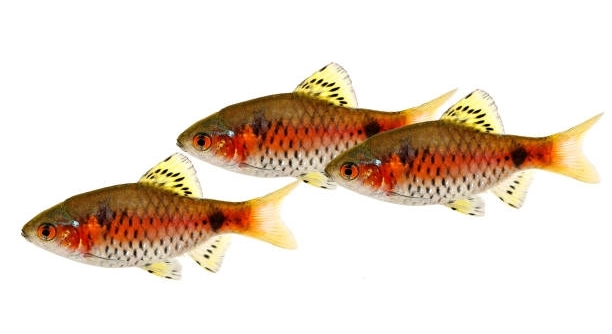
Rosy Barbs are colorful, active fish that often surprise their owners with sudden spawning behavior. Understanding why these fish start to reproduce unexpectedly can help maintain a healthy aquarium environment. This article explores the common reasons behind their spawning triggers.
Rosy Barbs begin spawning primarily due to changes in environmental conditions such as water temperature, lighting, and diet. Increased warmth and longer daylight hours stimulate breeding behavior, while a nutritious diet supports the energy needed for reproduction.
Knowing these factors helps you manage your aquarium better and ensure a balanced habitat for your fish. The following details will explain what influences your Rosy Barbs’ sudden spawning.
Environmental Changes Trigger Spawning
Rosy Barbs respond strongly to changes in their environment. When the water temperature rises slightly, it mimics the natural breeding season in the wild. Longer daylight hours also signal that it is time to reproduce. These fish are sensitive to their surroundings, so even small shifts can encourage spawning. Tank conditions such as clean water and proper filtration contribute to creating a comfortable environment for breeding. Seasonal changes often cause these environmental shifts naturally, but in home aquariums, they can be managed by adjusting lighting and temperature. Providing stable conditions outside of spawning triggers helps keep Rosy Barbs healthy. It is important to monitor these factors closely to predict when spawning might occur. Observing these natural cues allows owners to prepare for increased fish activity and plan for fry care if desired.
Sudden environmental changes can accelerate breeding activity in Rosy Barbs, making monitoring key to managing their behavior.
When managing an aquarium, replicating natural seasonal variations through controlled temperature and light schedules can help regulate spawning. A gradual increase in water temperature by a few degrees Celsius and extending daylight to about 12-14 hours per day often encourages Rosy Barbs to spawn. Maintaining excellent water quality through frequent changes reduces stress, which further promotes healthy breeding. These adjustments should be done carefully to avoid shocking the fish. Keeping track of changes and their effects helps in understanding each tank’s unique response and timing for breeding cycles.
Nutrition and Feeding Influence Spawning
Feeding Rosy Barbs a balanced and nutrient-rich diet plays a significant role in their readiness to spawn. High-protein foods such as live or frozen brine shrimp and bloodworms provide the energy needed for reproductive activity. When their diet is varied and plentiful, Rosy Barbs tend to be healthier and more active, increasing the chances of spawning. Overfeeding should be avoided as it can deteriorate water quality, negatively affecting breeding. Quality nutrition supports egg production and the vitality of both males and females. Adjusting feeding routines to include breeding-specific diets during spawning periods is beneficial. Monitoring feeding habits closely helps maintain optimal health and encourages successful reproduction in the tank.
Feeding well-balanced meals rich in protein supports Rosy Barbs’ breeding and increases spawning frequency.
A diet focused on quality and variety is essential to Rosy Barbs’ reproductive success. Increasing the amount of live foods before and during spawning provides the nutrients necessary for egg development and sperm production. Supplementing their diet with high-quality flakes or pellets ensures they receive all essential vitamins and minerals. It is important to feed small amounts multiple times a day rather than one large feeding to avoid waste buildup. Maintaining clean water by removing uneaten food helps prevent harmful bacteria and keeps the environment suitable for breeding. Proper nutrition paired with stable tank conditions results in healthier, more active Rosy Barbs that are more likely to spawn regularly.
Tank Setup and Spawning Behavior
Tank size and layout affect Rosy Barbs’ willingness to spawn. A spacious tank with hiding spots encourages natural behavior. Avoid overcrowding, as it can stress fish and reduce spawning activity.
A well-arranged tank includes plants, rocks, and open swimming areas. Plants serve as ideal sites for egg laying and protection for fry. If the tank is too small or lacks cover, Rosy Barbs may hesitate to spawn or eat their eggs. A minimum of 20 gallons is recommended to provide enough space and reduce territorial disputes. Proper filtration maintains clean water, which is essential for breeding success. Observing how your fish interact with their environment can reveal if adjustments are needed to encourage spawning.
Creating a calm environment with appropriate hiding places supports natural breeding habits. Stress from poor tank conditions often causes spawning delays or failures.
Spawning Triggers and Behavioral Signs
Rosy Barbs show distinct behaviors before spawning, such as increased activity and chasing. Males display brighter colors and may nudge females. These signs indicate readiness to breed.
Recognizing spawning triggers helps in preparing for the breeding process. Behavioral changes often begin shortly after environmental and dietary adjustments. Males become more territorial, while females appear fuller due to developing eggs. Watching these cues allows timely separation of adults if needed to protect eggs from being eaten. Timing feeding and water changes to coincide with these behaviors improves breeding success. Monitoring water parameters such as pH, temperature, and hardness also supports optimal conditions for spawning. Understanding these patterns makes managing Rosy Barbs’ reproduction more predictable and less stressful.
Water Quality and Spawning Success
Maintaining clean water is crucial for Rosy Barbs to spawn successfully. Poor water quality causes stress and inhibits breeding behavior. Regular water changes and proper filtration support a healthy environment.
Testing water parameters frequently helps detect harmful changes early. Keeping ammonia and nitrite at zero, and nitrate levels low, encourages spawning.
Fry Care and Survival
After spawning, caring for fry requires attention to water conditions and feeding. Fry are delicate and need clean, stable water with gentle filtration.
Providing finely crushed flakes or specialized fry food supports their growth. Regular small feedings improve survival rates.
Separating Adults After Spawning
Separating adult Rosy Barbs from eggs prevents them from eating the fry. Adults often consume eggs if left together.
Using a breeding net or moving adults to another tank protects the developing young and increases fry survival chances.
How often do Rosy Barbs spawn?
Rosy Barbs can spawn several times a year if conditions are favorable. Typically, they spawn during warmer months when water temperature rises between 22°C and 28°C (72°F to 82°F). In home aquariums, adjusting temperature and lighting can encourage multiple spawning cycles annually. However, constant spawning without breaks can stress the fish, so it is important to maintain stable tank conditions and give them rest periods.
What water temperature is best for Rosy Barbs to spawn?
The optimal temperature range for Rosy Barbs to spawn is between 22°C and 28°C (72°F to 82°F). Temperatures within this range mimic their natural breeding season and stimulate spawning behavior. Sudden temperature changes should be avoided to prevent stress, so gradual adjustments are recommended. Maintaining consistent temperature also supports egg development and fry survival.
Can Rosy Barbs spawn in a community tank?
Yes, Rosy Barbs can spawn in a community tank, but raising fry may be difficult due to other fish eating eggs or young fry. Providing plenty of hiding places with dense plants can improve fry survival. Separating adults after spawning helps protect eggs. Monitoring tank mates and their behavior is important to reduce risks for the young.
How long does it take for Rosy Barb eggs to hatch?
Rosy Barb eggs typically hatch within 24 to 36 hours after being laid. After hatching, fry remain attached to surfaces for a day or two before becoming free-swimming. Keeping water clean and stable during this time is essential, as fry are very sensitive to water conditions and require gentle filtration.
What do Rosy Barb fry eat?
In the first days, fry feed on their yolk sac. After that, they need very fine foods such as infusoria, liquid fry food, or crushed flakes. As they grow, small live foods like baby brine shrimp or microworms support healthy development. Frequent small feedings throughout the day help fry thrive.
How can I tell if Rosy Barbs are ready to spawn?
Signs include males displaying brighter colors and chasing females. Females appear rounder and fuller due to developing eggs. Increased activity and swimming near plants or spawning sites are also indicators. These behaviors usually follow environmental changes like warmer water or extended daylight hours.
Is it necessary to separate Rosy Barbs after spawning?
Separating adults after spawning is recommended to prevent them from eating eggs or fry. If separation is not possible, providing dense plant cover or using breeding nets helps protect the young. Removing adults reduces stress on the eggs and increases fry survival rates significantly.
What causes Rosy Barbs to suddenly stop spawning?
Sudden stops in spawning may result from poor water quality, stress, or changes in tank conditions. Overcrowding, illness, or improper diet also reduce breeding activity. Ensuring stable water parameters, a balanced diet, and minimal disturbances helps maintain consistent spawning.
Can changing the light schedule affect spawning?
Yes, increasing daylight hours to around 12-14 hours per day mimics natural seasonal changes and encourages spawning. Abrupt changes should be avoided; gradually adjusting light duration supports natural rhythms and breeding behavior.
How many eggs does a female Rosy Barb lay?
A female can lay hundreds of eggs per spawning session. The exact number varies depending on age, health, and environmental conditions. High egg numbers increase the chance of fry survival but also require more care to manage the developing young effectively.
What should I do if my Rosy Barbs eat their eggs?
If egg-eating occurs, separating adults immediately is the best solution. Adding plenty of plants or spawning mops provides hiding places for eggs. Another option is to collect eggs carefully and incubate them in a separate breeding tank to improve survival.
How often should water changes be done during spawning and fry rearing?
Frequent small water changes, around 10-20% every few days, help maintain water quality without stressing the fry. Large or infrequent changes can cause temperature and chemical fluctuations that harm developing eggs and fry.
Are there specific plants recommended for Rosy Barb spawning tanks?
Fine-leaved plants like Java moss, hornwort, and Cabomba are excellent for egg laying and fry hiding. These plants provide protection from predators and help maintain water quality by absorbing nitrates and providing oxygen.
Can Rosy Barbs breed without live food?
While live food encourages spawning and supports fry development, Rosy Barbs can breed without it if provided with high-quality frozen or prepared foods rich in protein. However, live food improves breeding success and fry survival rates.
How long do Rosy Barbs stay near the spawning site after laying eggs?
Adults typically do not guard the eggs and may even eat them shortly after laying. They usually move away within hours, which is why protecting eggs immediately after spawning is important for fry survival.
Understanding what makes Rosy Barbs suddenly start spawning helps in managing their care more effectively. These fish respond to changes in temperature, lighting, and diet, which mimic their natural breeding conditions. By adjusting these factors in the aquarium, owners can encourage spawning at appropriate times. It is important to maintain stable water conditions and avoid sudden shifts that could stress the fish and reduce their willingness to breed. A well-balanced environment supports not only spawning but also the overall health of Rosy Barbs.
Providing the right tank setup and nutrition plays a key role in successful breeding. A spacious tank with plenty of hiding places encourages natural behavior and protects eggs and fry. Feeding high-protein foods during breeding periods gives the fish the energy needed to reproduce and care for their young indirectly. Monitoring water quality and performing regular maintenance are crucial steps. Clean water reduces stress and improves egg and fry survival rates. Attention to these details helps create a thriving habitat where Rosy Barbs can reproduce naturally and grow healthily.
Caring for Rosy Barbs after spawning requires patience and careful observation. Separating adults from eggs prevents them from eating their offspring, which is common in this species. Fry need clean water, gentle filtration, and suitable food to grow strong. Regular small feedings and stable conditions improve their chances of survival. Understanding the factors that trigger spawning and knowing how to support the fish afterward make the breeding process less stressful. This knowledge helps ensure a rewarding experience in raising Rosy Barbs and maintaining a vibrant aquarium.

Hello,
If you enjoy the content that we create, please consider saying a "Thank You!" by leaving a tip.
Every little bit helps us continue crafting quality advice that supports the health, happiness, and well-being of pets around the world, for pets of all shapes, sizes, and species.
We really appreciate the kindness and support that you show us!