
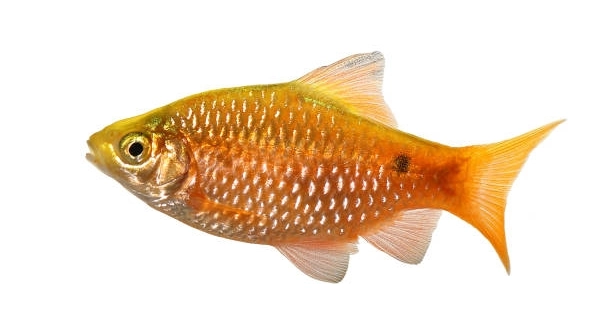
Rosy barbs are popular freshwater fish known for their vibrant colors and active behavior. They often stay close to the gravel at the bottom of their tanks, which seems to be a natural part of their daily routine and habitat preference.
Rosy barbs stick close to the gravel primarily because it provides them with a sense of security, access to food particles, and an environment that mimics their natural riverbed habitat. This behavior helps reduce stress and supports their feeding habits.
Understanding why these fish prefer the gravel can improve how you care for them and create a better tank environment that supports their natural instincts.
Reasons Rosy Barbs Prefer Gravel
Rosy barbs naturally come from rivers and streams where the bottom is mostly gravel and small stones. Gravel offers a familiar surface that helps them feel safe and less exposed to potential threats. The texture of gravel allows them to explore and forage easily. They often search for leftover food and tiny organisms between the stones. Gravel also provides shelter where they can rest and hide if needed. Their bodies and fins are adapted to swimming close to the bottom, making it easier to move around the tank without wasting energy. Maintaining a gravel substrate in their tank helps mimic their natural environment, encouraging natural behavior and improving their overall well-being. For many fish keepers, observing rosy barbs interact with gravel can be an enjoyable and calming part of aquarium care. Creating a comfortable habitat with gravel can lead to happier, healthier fish.
Gravel helps keep rosy barbs physically and mentally active while offering them protection from bright tank lights and sudden movements.
Having the right gravel setup makes a difference in how often rosy barbs stay near the bottom. Coarser gravel lets them pick at food and hide better, while smoother gravel may encourage more swimming in open water. The size and color of gravel can also influence their comfort level. Using natural-colored gravel often reduces stress, as it looks more like their original habitat. Proper gravel depth allows them to dig slightly, a natural behavior that keeps them engaged. Cleaning the gravel regularly prevents buildup of waste that could harm their health. By understanding their preferences for gravel, tank owners can better support rosy barbs’ needs, promoting long-term health and natural activity.
How Gravel Benefits Rosy Barbs
Gravel supports rosy barbs by providing hiding spots, aiding in feeding, and promoting natural behaviors like digging and exploring.
The gravel substrate not only gives rosy barbs a place to feel secure but also enhances their feeding efficiency. Tiny food particles and organic matter often settle between the gravel pieces, allowing the fish to find snacks throughout the day. This simulates their wild feeding habits, which helps reduce boredom and encourages natural foraging behavior. Gravel also helps maintain water quality by trapping debris and supporting beneficial bacteria colonies. These bacteria break down harmful waste products, contributing to a healthier tank environment. Additionally, the gravel anchors plants and decorations, creating a balanced and stable habitat. Overall, the presence of gravel plays an important role in the well-being of rosy barbs by meeting both their physical and behavioral needs.
Gravel and Stress Reduction
Gravel provides rosy barbs with a sense of security by creating natural hiding spots. This reduces stress and helps them feel safer in the tank environment.
When rosy barbs have gravel to swim over and explore, they experience less anxiety. This substrate mimics their natural habitat, helping them blend in and avoid feeling exposed. Stress in fish can lead to weakened immune systems and less vibrant colors. The gravel allows them to retreat and rest, promoting better health overall. Without a proper substrate, rosy barbs may become restless or hide excessively, which could indicate discomfort.
A well-maintained gravel bed also contributes to water quality, reducing harmful toxins that might cause stress. Keeping the gravel clean ensures a stable environment that supports their natural behaviors and wellbeing. Gravel, therefore, plays a crucial role in creating a calming space for rosy barbs.
Feeding Behavior and Gravel Interaction
Rosy barbs often pick at gravel to find leftover food or tiny organisms, which keeps them actively engaged in foraging. Gravel helps spread food particles, encouraging natural feeding habits.
The substrate acts like a filter where uneaten food can settle, allowing barbs to scavenge throughout the day. This behavior prevents boredom and stimulates their instincts. Without gravel, food may accumulate on flat surfaces and be wasted or quickly fouled. By feeding off the gravel, rosy barbs maintain a more consistent diet and stay healthier.
Gravel also supports beneficial bacteria that break down organic waste, helping to recycle nutrients in the tank. This natural balance ensures cleaner water and a safer habitat. For these reasons, gravel is a key factor in supporting both the feeding needs and environmental health of rosy barbs.
Natural Habitat Influence
Gravel closely resembles the natural riverbeds where rosy barbs originate. This familiar environment encourages them to stay near the bottom and feel comfortable.
The natural texture and colors of gravel help recreate their original surroundings. This reduces stress and supports their instinctive behaviors, making the fish more active and healthy.
Gravel and Tank Maintenance
Gravel helps trap debris and uneaten food, which keeps the tank cleaner. Regular cleaning of gravel is necessary to maintain a healthy environment for rosy barbs.
Encouraging Natural Behavior
Gravel allows rosy barbs to dig and forage, which supports their natural instincts and keeps them mentally stimulated. This leads to healthier, more active fish.
FAQ
Why do rosy barbs prefer gravel over sand or bare bottoms?
Rosy barbs naturally come from river environments where gravel is common. Gravel offers a better surface for foraging and hiding compared to sand or bare tank bottoms. The rough texture of gravel allows them to pick at food particles and explore, which keeps them active and reduces stress. Bare tanks can feel too exposed, and sand may compact, making it harder for them to dig or find food. Gravel also supports beneficial bacteria, improving water quality, which contributes to their health and comfort.
Can rosy barbs live without gravel in their tank?
Yes, they can survive without gravel, but their behavior and wellbeing might be affected. Without gravel, rosy barbs lose the natural substrate they use for foraging and hiding. This can increase their stress and cause boredom. Bare or smooth tank bottoms may lead to less natural behavior, reducing their activity and causing discomfort. Additionally, the lack of gravel can impact water quality, as gravel supports helpful bacteria that break down waste. Providing gravel is generally better for their health and happiness.
How often should gravel be cleaned in a rosy barb tank?
Gravel should be cleaned regularly, usually every one to two weeks. Cleaning prevents buildup of waste, uneaten food, and harmful toxins that can affect water quality. A simple gravel vacuum during water changes removes debris without disturbing beneficial bacteria too much. Keeping gravel clean helps maintain a healthy environment and reduces stress on rosy barbs. Over-cleaning can harm bacteria colonies, so aim for balance: clean enough to avoid buildup but not so much that it disrupts the tank’s natural balance.
Does the color or type of gravel matter for rosy barbs?
Yes, the color and type of gravel can influence how comfortable rosy barbs feel. Natural-colored gravel, like shades of brown, gray, or tan, usually makes them feel safer because it resembles their wild environment. Bright or unnatural colors might cause stress or make them more visible to perceived threats. The size of gravel particles matters too; medium-sized gravel is easier for them to forage in and provides better shelter. Avoid very sharp or rough gravel that could injure their delicate fins and bodies.
What size and depth of gravel is best for rosy barbs?
Medium-sized gravel with a depth of about one to two inches works well. This allows rosy barbs to dig and forage without difficulty. Too shallow gravel limits their natural digging behavior, while very deep gravel can trap waste and become difficult to clean. The right depth also helps anchor plants and decorations, creating hiding spots that reduce stress. Keeping gravel clean and appropriately sized supports healthy behavior and maintains tank stability for rosy barbs.
Can gravel affect water quality in the tank?
Yes, gravel plays an important role in water quality. It traps debris and uneaten food, which can be removed during cleaning. More importantly, gravel provides a surface for beneficial bacteria to grow. These bacteria break down harmful substances like ammonia and nitrites, helping keep the water safe for fish. If gravel is not cleaned regularly, waste buildup can release toxins and degrade water quality. Maintaining clean gravel supports the tank’s biological filtration and promotes a healthier environment for rosy barbs.
What happens if gravel is not suitable for rosy barbs?
If gravel is too sharp, too smooth, or the wrong size, it can cause stress or physical damage. Sharp gravel can injure fins or bodies, while very fine gravel like sand can compact and prevent natural digging behavior. If the gravel color or texture feels unfamiliar, rosy barbs may hide more often or become restless. Poor gravel choices can lead to increased stress, weakened immunity, and duller colors. Choosing appropriate gravel ensures comfort, encourages natural behavior, and supports the overall health of rosy barbs.
Is it necessary to have gravel in every rosy barb tank?
While not absolutely necessary, gravel is highly recommended for most rosy barb tanks. It creates a more natural environment that supports their instincts and behaviors. Tanks without gravel may require more careful feeding and frequent cleaning to prevent waste buildup. Gravel helps maintain water quality and offers hiding places that reduce stress. For best results, use gravel that mimics their natural habitat and clean it regularly. This will encourage healthier, happier fish and reduce tank maintenance challenges.
How does gravel influence tank decorations and plants?
Gravel acts as an anchor for plants and decorations, keeping them stable in the tank. This helps create a natural habitat where rosy barbs can explore and hide. Plants rooted in gravel improve water quality by absorbing nutrients and providing cover. Decorations placed securely on gravel reduce the risk of shifting or falling, which can scare or injure fish. Gravel also helps create varied terrain, making the tank more interesting and comfortable for rosy barbs. A well-planned gravel base supports both the aesthetic and health of the aquarium.
Are there any risks of using gravel in a rosy barb tank?
The main risks come from using inappropriate gravel. Sharp or rough gravel can injure fish, and very fine gravel may compact and trap harmful waste. If gravel is not cleaned regularly, it can accumulate toxins and reduce water quality. Gravel that is too colorful or unnatural can stress the fish. However, these risks are easily managed by choosing the right type and size of gravel and maintaining proper cleaning routines. When cared for properly, gravel greatly benefits rosy barbs by supporting their natural behavior and health.
Rosy barbs are naturally drawn to gravel because it closely resembles their original habitat in rivers and streams. This type of substrate offers them a comfortable and secure environment where they can exhibit natural behaviors such as foraging, resting, and hiding. Gravel provides a textured surface that helps reduce stress by allowing them to feel less exposed to potential threats. When their environment includes gravel, rosy barbs tend to be more active and display healthier behavior, which is a sign of their overall well-being.
Maintaining a clean and suitable gravel substrate is important for the health of rosy barbs. Gravel not only supports natural behavior but also contributes to better water quality. It provides space for beneficial bacteria that break down harmful waste products, creating a safer living space. Regular cleaning of the gravel helps prevent the buildup of debris and toxins that could harm the fish. Choosing the right size and color of gravel that resembles their natural habitat can further reduce stress and encourage natural activity, helping the fish stay vibrant and healthy.
Creating a tank environment that includes appropriate gravel is a simple way to support the needs of rosy barbs. It offers them a natural setting to feel secure, feed properly, and stay mentally stimulated. While gravel is not absolutely required, its benefits are clear in promoting healthier fish and a more balanced aquarium. Paying attention to the gravel and how it affects the behavior and health of rosy barbs will improve the overall aquarium experience for both the fish and the keeper.

Hello,
If you enjoy the content that we create, please consider saying a "Thank You!" by leaving a tip.
Every little bit helps us continue crafting quality advice that supports the health, happiness, and well-being of pets around the world, for pets of all shapes, sizes, and species.
We really appreciate the kindness and support that you show us!