
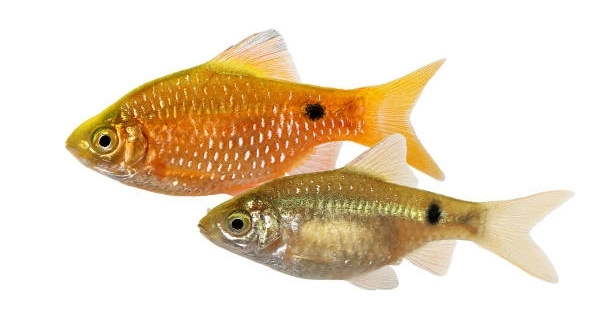
Rosy Barbs are colorful fish that often attract attention in home aquariums. Many aquarists notice that these fish prefer to stay under decorations rather than swim openly. Understanding this behavior helps create a better environment for them.
Rosy Barbs tend to stay under decorations because these areas provide shelter and a sense of security. This behavior reduces stress and mimics their natural habitat, where hiding spots protect them from predators and strong currents, promoting overall well-being.
Knowing why Rosy Barbs prefer hiding spots can improve how you set up your aquarium. This insight will help you create a comfortable space that supports their natural instincts and health.
Why Rosy Barbs Prefer Hiding Under Decorations
Rosy Barbs instinctively seek out areas in the aquarium that offer protection and cover. Decorations such as plants, rocks, and caves create shaded spaces that make the fish feel safe. This behavior is common among many fish species, especially those that come from habitats with predators. The hiding spots help them reduce stress and avoid confrontation with other tank mates. Additionally, these areas can offer relief from bright aquarium lights and strong water currents, which might be uncomfortable. Providing ample hiding places encourages natural behavior and supports their health. A well-decorated tank mimics their natural environment, making them more likely to display active and vibrant behaviors when they do come out. Observing their patterns can guide adjustments to tank design and lighting, improving the overall aquarium experience.
Keeping the aquarium environment calm and well-structured helps Rosy Barbs feel more secure and less likely to hide constantly.
Creating an environment that matches their natural preferences leads to healthier fish. Well-placed decorations and balanced lighting encourage Rosy Barbs to explore more often while still having safe spots available. This balance promotes physical activity and social interactions without excessive stress. Over time, fish that feel secure tend to show brighter colors and more energetic behavior. Watching them navigate between open areas and hiding places offers insight into their comfort level. Simple changes such as adding live plants or arranging rocks can make a significant difference. The goal is to create a tank that supports both safety and stimulation, allowing the fish to thrive.
How Tank Setup Influences Rosy Barbs’ Behavior
The way you set up your tank directly affects where Rosy Barbs choose to swim or hide.
Tank decorations and layout provide visual barriers and resting spots that appeal to these fish. Dense plants or caves give them a sense of control over their surroundings. When the tank is too bare, Rosy Barbs may feel exposed and stay hidden out of stress. Proper setup includes varied decoration heights and textures, allowing fish to find comfort zones and escape routes if needed. Lighting and water flow also play important roles; softer light and gentle currents encourage activity outside hiding spots. Regular observation of your fish’s behavior can guide gradual changes to optimize their habitat, helping them feel secure and confident in the aquarium space.
The Role of Tank Mates in Rosy Barbs’ Hiding Behavior
Aggressive or overly active tank mates often cause Rosy Barbs to seek refuge under decorations. Stress from interactions can make them less confident and more prone to hiding. Peaceful companions help reduce this behavior by creating a calm environment where Rosy Barbs feel safe.
When Rosy Barbs share a tank with aggressive species, they may hide more frequently to avoid conflict. This can lead to reduced activity and less feeding, impacting their health. Providing plenty of hiding spots can help, but choosing compatible tank mates is crucial. Avoid overcrowding the tank, as too many fish increase stress levels and competition. Observing the social dynamics in the aquarium helps identify if tank mates are influencing hiding behavior.
Peaceful tank mates encourage Rosy Barbs to explore open areas more often. This balance helps maintain their natural activity patterns and reduces excessive hiding. Compatibility among species is essential for a healthy community tank.
Lighting and Its Effect on Rosy Barbs’ Comfort
Lighting conditions play a significant role in Rosy Barbs’ behavior. Bright lights may cause them to stay hidden under decorations more often. Dimming the light or providing shaded areas helps them feel more at ease.
Harsh lighting can stress Rosy Barbs, as their natural habitats often feature softer, diffused light. Adjusting the aquarium lighting to mimic these conditions encourages them to swim freely. Incorporating floating plants or strategically placed décor helps create shaded zones. Using timers for gradual light changes can also reduce stress. Proper lighting supports their natural rhythms and promotes vibrant coloration, which may be suppressed by constant bright light.
Finding the right balance of light intensity and duration helps Rosy Barbs stay active while still offering places to retreat. Monitoring their response to lighting adjustments allows for a more comfortable and visually appealing tank environment.
Water Quality and Rosy Barbs’ Behavior
Poor water quality often causes Rosy Barbs to hide more frequently. High levels of ammonia or nitrites create an uncomfortable environment. Maintaining clean, stable water conditions reduces stress and encourages natural behavior.
Regular water changes and monitoring water parameters are essential. Clean water promotes better health and more active swimming patterns in Rosy Barbs.
Feeding Habits and Hiding
Rosy Barbs may hide after feeding as a way to digest and feel safe. They often retreat to sheltered areas where they can rest without disturbance.
Providing a consistent feeding schedule helps regulate their behavior. Feeding smaller amounts multiple times a day encourages them to be more active and reduces long hiding periods.
Tank Size and Its Impact
A cramped tank limits space for swimming and hiding, causing stress and increased hiding behavior in Rosy Barbs. Larger tanks provide more room to explore and safer retreat areas.
Ensuring your tank is appropriately sized for the number of fish supports their natural movement and reduces anxiety.
Stress Factors Affecting Rosy Barbs
Stress from sudden changes, loud noises, or frequent tapping on the glass can cause Rosy Barbs to hide excessively. Creating a stable and calm environment reduces stress and promotes healthy behavior.
FAQ
Why do Rosy Barbs hide more when they are new to a tank?
When Rosy Barbs are introduced to a new tank, they often feel insecure and overwhelmed. The unfamiliar environment, new tank mates, and different water conditions make them seek shelter under decorations. This hiding behavior is their natural way of coping with stress. It usually decreases as they get used to the surroundings and feel safer.
How long does it take for Rosy Barbs to stop hiding?
The adjustment period varies but generally takes a few days to a couple of weeks. During this time, consistent water quality, proper tank setup, and minimal disturbances help them feel secure. Providing plenty of hiding spots ensures they have safe spaces while they acclimate.
Can poor water quality cause Rosy Barbs to hide?
Yes, poor water quality is a major factor in hiding behavior. Elevated levels of ammonia, nitrites, or nitrates stress fish and cause them to seek refuge. Maintaining clean water through regular testing and water changes promotes their health and reduces hiding.
Do Rosy Barbs hide when they are sick?
Illness often makes Rosy Barbs less active and more likely to hide. Lethargy, loss of appetite, or unusual hiding can signal health problems. Monitoring their behavior closely and checking water parameters can help detect illness early. Prompt treatment is important to prevent worsening.
Is it normal for Rosy Barbs to hide during the day?
Rosy Barbs are diurnal but may hide during the day if they feel stressed or threatened. Bright lighting, aggressive tank mates, or loud noises can cause this behavior. Adjusting the environment to reduce stress encourages more daytime activity.
How can I encourage Rosy Barbs to swim out of hiding?
Creating a calm, well-decorated tank with gentle lighting and peaceful tank mates helps. Offering food at regular times encourages them to come out. Gradually dimming lights or adding floating plants provides shaded areas that make them feel safe.
Are Rosy Barbs territorial?
Rosy Barbs are generally peaceful and not highly territorial. However, during breeding or if tank space is limited, some territorial behavior may appear. Providing enough space and hiding spots reduces aggression and helps maintain harmony.
Does tank size affect hiding behavior?
Yes, a small or overcrowded tank increases stress and hiding. Larger tanks with plenty of swimming space and decorations allow Rosy Barbs to balance exploration and refuge. Adequate space supports natural behavior and reduces anxiety.
What kind of decorations do Rosy Barbs prefer?
Rosy Barbs prefer natural-style decorations like live or silk plants, rocks, and caves. These create shaded, protected areas that mimic their natural habitats. Avoid sharp or rough decorations that could harm them.
Can lighting intensity cause hiding?
Bright or harsh lighting often causes Rosy Barbs to hide. Soft, diffused light or providing shaded areas helps them feel secure. Using adjustable lighting or adding floating plants creates a comfortable environment.
How important is water flow for Rosy Barbs?
Rosy Barbs prefer moderate water flow. Strong currents may stress them, causing more hiding. Ensuring gentle, consistent water movement supports their comfort and natural swimming behavior.
What role do tank mates play in hiding behavior?
Aggressive or overly active tank mates increase hiding. Peaceful companions encourage Rosy Barbs to be more confident and active. Choosing compatible species and avoiding overcrowding reduces stress and hiding.
Can feeding routines influence hiding?
Yes, irregular feeding or large meals may make Rosy Barbs hide longer to digest. Offering smaller, consistent feedings throughout the day encourages activity and reduces excessive hiding after meals.
Are Rosy Barbs more likely to hide during breeding?
During breeding, Rosy Barbs may hide to protect eggs or avoid aggressive interactions. Providing plenty of hiding places supports their natural reproductive behavior and reduces stress during this time.
How can I tell if hiding is a problem or normal behavior?
Some hiding is natural and healthy. However, constant hiding, loss of appetite, or dull colors can indicate stress or illness. Monitoring their overall behavior and environment helps determine if action is needed.
What are the signs that Rosy Barbs are comfortable and less stressed?
Active swimming, bright colors, regular feeding, and social interaction indicate comfort. When they explore open areas and rest near decorations without excessive hiding, it shows a balanced and healthy state.
Final Thoughts
Understanding why Rosy Barbs stay under decorations helps create a better home for these fish. Their hiding behavior is natural and often linked to feeling safe and secure. Providing plenty of hiding spots, such as plants, rocks, and caves, mimics their natural environment and reduces stress. A well-decorated tank also allows them to balance safety with exploration. This balance encourages healthier and more active fish that display their vibrant colors. Paying attention to how your Rosy Barbs behave around decorations can guide adjustments in tank setup to improve their comfort and well-being.
Tank conditions play a significant role in Rosy Barbs’ tendency to hide. Water quality must be monitored closely, as poor water conditions increase stress and encourage hiding. Regular water changes and testing help maintain a clean environment. Lighting should be gentle rather than harsh, with shaded areas available to reduce discomfort. The choice of tank mates matters, too. Peaceful companions make Rosy Barbs feel more confident and less likely to hide. Overcrowding should be avoided to prevent competition and stress. Taking care of these factors supports natural behavior and keeps Rosy Barbs healthier over time.
Finally, observing your Rosy Barbs and understanding their needs allows you to create an ideal aquarium space. Hiding is part of their survival instincts, but excessive hiding may indicate issues that need attention. Adjusting feeding routines, tank size, and decoration placement can encourage more balanced behavior. Providing a calm, stable environment with proper water parameters will help your fish feel secure and thrive. With patience and care, you can enjoy watching your Rosy Barbs swim actively and confidently, adding life and color to your aquarium.

Hello,
If you enjoy the content that we create, please consider saying a "Thank You!" by leaving a tip.
Every little bit helps us continue crafting quality advice that supports the health, happiness, and well-being of pets around the world, for pets of all shapes, sizes, and species.
We really appreciate the kindness and support that you show us!