
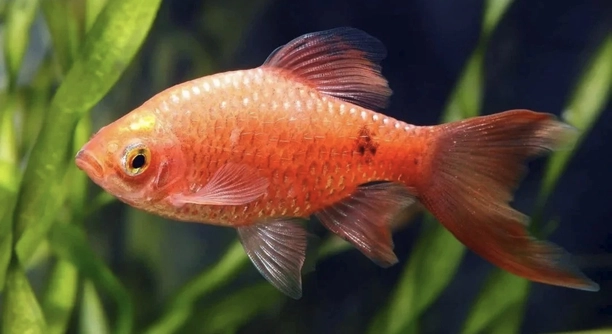
Rosy Barbs are small, colorful fish often seen in home aquariums. They tend to stay in one area rather than swimming all over the tank. Their behavior is influenced by several natural and environmental factors.
Rosy Barbs remain in a specific area mainly due to their need for stable conditions such as proper water temperature, hiding spots, and food availability. They prefer environments that feel safe and support their social behavior within the group.
Understanding what keeps Rosy Barbs comfortable in one spot helps aquarium owners create a better habitat for them. This article will explain the main reasons behind their movement patterns and how to support their well-being.
Natural Habitat Preferences
Rosy Barbs originally come from slow-moving rivers and ponds in South Asia. In their natural habitat, they tend to stay near plants and shaded areas where they feel protected from predators. These fish like moderate water flow and temperatures between 68 to 79°F (20 to 26°C). When kept in an aquarium, they look for spots that mimic these conditions. They stay near plants, decorations, or places with soft lighting. This behavior helps them feel safe and reduces stress. When they sense any sudden changes, such as strong currents or bright lights, they move less to conserve energy and avoid danger. Their natural instincts guide them to settle in areas that give them the most comfort, food access, and social interaction with other fish.
This preference for a calm and sheltered space explains why Rosy Barbs don’t wander the whole tank randomly.
Creating a tank environment with plants and quiet corners helps them stay comfortable and active in one area.
Social Behavior and Group Dynamics
Rosy Barbs are schooling fish and feel safer in groups. They tend to stay close to each other for protection and social reasons. This group behavior influences where they settle in the tank. If a few fish choose a spot with good conditions, others usually follow. This creates a stable area where they all stay together.
When kept alone or in small numbers, Rosy Barbs may act differently and explore more, but in groups, they prefer to stay near their school. Group size and tank space affect their movement patterns. A tank that is too small or overcrowded can cause stress, leading to constant movement or hiding. Proper group size and tank setup are important to keep Rosy Barbs comfortable and settled. This social instinct helps explain why they don’t swim aimlessly but choose to stay in familiar spots within their environment.
Tank Environment and Layout
A well-planned tank environment keeps Rosy Barbs comfortable and less likely to roam. They prefer places with hiding spots and gentle water flow.
Providing plants, rocks, and decorations creates safe zones where Rosy Barbs can rest and feel secure. When the tank has these features, the fish tend to stay nearby instead of exploring constantly. Open spaces can make them nervous, causing restless swimming. Proper lighting also plays a role; dimmer or natural lighting helps them settle, while harsh bright lights can stress them out.
Water quality and temperature must be stable too. Sudden changes in pH or temperature can make Rosy Barbs move around more or hide. Maintaining consistent tank conditions reduces stress and encourages them to stay calm in their favorite spots.
Feeding Habits and Territory
Rosy Barbs often associate certain areas with feeding. They learn where food is usually provided and stick close to those spots. This behavior creates a sense of territory related to food availability.
Feeding routines affect how much they move. If they expect food in one area, they spend time nearby waiting or searching. This reduces their tendency to swim aimlessly across the tank. When food is scattered, they may explore more, but a regular feeding place helps them feel secure. Over time, this builds a habit that influences their preferred location.
Because of this, placing feeding spots thoughtfully can guide Rosy Barbs’ movement and help keep them settled in one area. Understanding their feeding habits can improve how they interact with their environment and reduce stress from unnecessary wandering.
Stress and Safety
Rosy Barbs feel safer when their environment is calm and predictable. Sudden noises or rapid movements nearby can cause stress.
Stress makes them hide or stay still in one spot rather than swimming freely. A peaceful tank helps them feel secure and relaxed.
Water Quality Impact
Poor water quality greatly affects Rosy Barbs’ behavior. High ammonia, nitrite, or nitrate levels can cause discomfort and illness. These conditions lead to reduced movement or hiding as the fish try to avoid harmful areas.
Regular water testing and maintenance are essential to keep the environment stable. Clean water encourages normal swimming patterns and helps Rosy Barbs stay active and comfortable.
Temperature Preferences
Rosy Barbs prefer moderate, stable water temperatures between 68°F and 79°F. Sudden temperature changes stress them and can cause them to remain still.
Keeping temperature steady supports their health and natural behavior.
Lighting Conditions
Lighting impacts how Rosy Barbs behave. They prefer softer or natural light rather than bright, harsh lighting.
FAQ
Why do Rosy Barbs stay in one area of the tank?
Rosy Barbs stay in one area mainly because it provides them with safety, comfort, and easy access to food. They naturally look for spots with plants or decorations that offer hiding places. These spots also help reduce stress and mimic their natural environment. Staying near their group or feeding area keeps them calm and social.
Can water quality affect where Rosy Barbs choose to stay?
Yes, poor water quality can make Rosy Barbs avoid certain parts of the tank. High levels of ammonia, nitrites, or nitrates can harm them and cause discomfort. They will move to areas where the water feels cleaner or hide until conditions improve. Maintaining good water quality encourages them to swim freely and stay healthy.
Do Rosy Barbs prefer specific tank decorations?
Rosy Barbs favor decorations that offer cover, like plants, rocks, and caves. These features create hiding spots where they feel safe from perceived threats. Open areas without cover can make them nervous. Providing plenty of natural decorations helps them relax and encourages them to stay in those areas.
How does temperature influence Rosy Barbs’ movement?
Temperature affects Rosy Barbs significantly. They thrive between 68°F and 79°F. If the water is too cold or too warm, they may become sluggish or stressed, causing them to stay still or hide. Sudden temperature changes also disrupt their activity. Keeping the temperature steady supports their natural swimming habits.
Why do Rosy Barbs swim less when stressed?
Stress causes Rosy Barbs to conserve energy and avoid danger. Loud noises, sudden movements, or changes in water conditions can trigger stress. When stressed, they tend to stay in one spot or hide rather than explore. Reducing stress factors in the tank helps them swim more normally and feel secure.
Does schooling behavior affect their location choice?
Yes, schooling is very important for Rosy Barbs. They feel safer and more confident when in groups. If one fish finds a comfortable spot, others usually follow. This behavior creates clusters of fish in specific tank areas, which is why you might see them staying close together rather than spread out.
How does feeding schedule impact their movement?
Rosy Barbs learn where and when food is given. They often wait near feeding spots and stick to those areas during feeding times. This habit keeps them in one place instead of swimming all over the tank. Consistent feeding routines help them develop predictable patterns and reduce unnecessary movement.
Can lighting conditions change where Rosy Barbs stay?
Lighting does influence their behavior. Rosy Barbs prefer soft, natural, or dim light over bright or harsh lighting. Bright lights can make them nervous, causing them to hide or stay still in shaded parts of the tank. Adjusting the light level can encourage them to swim more comfortably and freely.
What happens if the tank is overcrowded?
Overcrowding creates stress and competition for space and resources. In a crowded tank, Rosy Barbs may hide more or stay in smaller, less crowded areas. This limits their movement and causes tension. Keeping the tank properly stocked gives them enough room to swim and settle without stress.
Are Rosy Barbs territorial?
Rosy Barbs are generally peaceful but can show mild territorial behavior around feeding areas or preferred hiding spots. They might chase other fish away from these zones. This is usually not aggressive but helps explain why they stay in specific parts of the tank, defending their space quietly.
Rosy Barbs are small fish that naturally choose to stay in one area of their tank because they want to feel safe and comfortable. Their behavior is influenced by many factors, including the tank environment, water quality, temperature, and how they interact with other fish. When they find a spot that meets their needs, such as having plants for shelter or a calm place with steady water conditions, they tend to stay there rather than swim all around. This is a natural way for them to reduce stress and protect themselves from possible threats.
It is important for aquarium owners to create an environment that supports the Rosy Barbs’ natural habits. This means providing places where the fish can hide or rest, such as plants, rocks, or decorations. Keeping the water clean and the temperature stable is also very important because sudden changes can cause stress and make the fish move less or hide. Feeding routines also play a role, as Rosy Barbs tend to stay near their feeding spots. Understanding these needs helps ensure the fish are healthy and comfortable in their space.
In summary, Rosy Barbs stay in one area mainly because that spot meets their basic needs for safety, comfort, and food. By paying attention to tank setup, water quality, temperature, lighting, and feeding habits, owners can create a peaceful and suitable home for their fish. When these factors are managed well, Rosy Barbs will show their natural, calm behavior and stay happily settled. This makes caring for them easier and more enjoyable.

Hello,
If you enjoy the content that we create, please consider saying a "Thank You!" by leaving a tip.
Every little bit helps us continue crafting quality advice that supports the health, happiness, and well-being of pets around the world, for pets of all shapes, sizes, and species.
We really appreciate the kindness and support that you show us!