
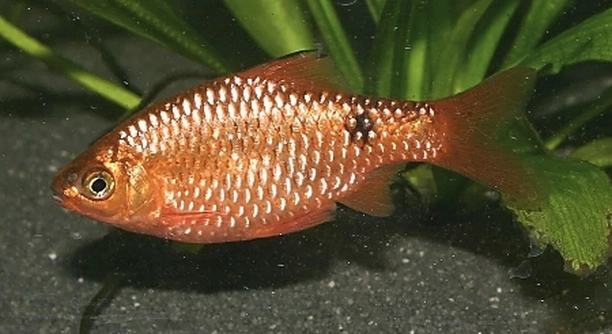
Rosy barbs are popular freshwater fish often found in home aquariums. Many owners notice these fish tend to stay close to heaters. This behavior can seem curious but is quite common among rosy barbs in controlled environments.
Rosy barbs stay close to heaters mainly because they seek warmth, which helps regulate their body temperature and supports their metabolism. Warmer water near the heater provides a comfortable environment, encouraging activity and digestion in these tropical fish.
Understanding why rosy barbs prefer warmer spots helps aquarium owners maintain healthy conditions. This knowledge supports better care and ensures a stable habitat for these lively fish.
Why Rosy Barbs Prefer Warmer Areas
Rosy barbs are tropical fish that naturally thrive in warmer waters. Their bodies function best at temperatures between 72 and 78 degrees Fahrenheit. In an aquarium, the heater creates a localized warm zone, which attracts the fish. This warmth helps regulate their metabolism, allowing them to digest food properly and remain active. When the tank temperature drops, rosy barbs may feel sluggish or stressed. Staying near the heater gives them a consistent environment where they can maintain energy levels. Additionally, warmer water often holds more oxygen, which benefits their respiratory system. However, if the tank’s temperature is uneven, the fish might cluster near the heater more than usual, signaling that adjustments may be needed. Keeping a stable temperature throughout the tank is important for their health and behavior. Watching their patterns near the heater can offer insight into whether the aquarium conditions are balanced and suitable for their well-being.
Warm spots near the heater support their metabolism and overall health. Proper temperature management reduces stress and promotes natural behavior.
Recognizing this preference can help owners create a more even temperature distribution. Using a reliable heater and circulating water properly prevents overheating near the source. A well-balanced environment ensures rosy barbs explore the whole tank rather than crowding one area. Adding plants or decorations away from the heater encourages movement and reduces stress. Monitoring water temperature regularly avoids sudden changes that may cause the fish to seek warmth excessively. In summary, warm water near the heater is essential, but balance throughout the tank is key for their comfort and activity.
Signs of Temperature Issues in Aquariums
When rosy barbs stay too close to the heater, it may indicate uneven tank temperature. They could be avoiding cooler zones that cause discomfort.
Uneven or incorrect temperatures can affect fish health and behavior in several ways. Sudden temperature drops or cold spots make rosy barbs lethargic and prone to illness. Stress from temperature fluctuations weakens their immune system, increasing vulnerability to diseases. If the heater is malfunctioning, the fish may crowd the warm area to survive, ignoring other parts of the tank. This clustering limits their natural swimming patterns and can cause aggression or competition for space. Consistently monitoring the aquarium temperature with a reliable thermometer helps catch problems early. Adjusting the heater placement or adding a circulation pump improves water flow and distributes heat evenly. Maintaining stable temperatures reduces stress and supports the rosy barbs’ long-term health and vitality. Proper care and equipment upkeep are essential for a thriving aquarium environment.
How to Maintain Ideal Temperature for Rosy Barbs
Keeping a consistent temperature between 72 and 78 degrees Fahrenheit is essential for rosy barbs’ health. Sudden changes cause stress and impact their behavior.
Using a reliable heater with an adjustable thermostat helps maintain steady warmth in the tank. Placing the heater near a water filter or pump can improve heat distribution. Regularly checking the water temperature with a thermometer ensures the environment remains stable. Avoid placing the aquarium near windows or vents where drafts can cause temperature fluctuations. If the tank is large, using multiple heaters or a circulation system can help keep the water evenly warm. Consistency in temperature supports natural activity and feeding habits.
Avoid overheating the tank, as water temperatures above 80 degrees can be harmful. Proper equipment setup and monitoring prevent common temperature-related issues. Keeping the environment balanced encourages rosy barbs to explore the entire aquarium rather than clustering near the heater. Temperature stability also reduces the risk of disease and promotes longer, healthier lives for the fish.
Other Factors Influencing Rosy Barbs’ Behavior Near the Heater
Besides temperature, factors like oxygen levels, tank size, and water quality influence why rosy barbs stay near the heater. Warm water often holds more oxygen, which fish prefer.
Poor water circulation can create cold or low-oxygen spots, pushing fish toward warmer, oxygen-rich areas. Overcrowding in a small tank increases competition for space, making the heater zone a refuge. Inadequate filtration may cause water quality to drop, stressing the fish and affecting their distribution. Providing a spacious tank with good water flow, regular cleaning, and balanced stocking levels helps reduce clustering. Plants and decorations placed thoughtfully can encourage movement and natural behaviors throughout the tank. Addressing these factors improves overall health and comfort for rosy barbs, reducing their need to stay close to the heater.
Common Mistakes That Affect Tank Temperature
Ignoring temperature fluctuations can stress rosy barbs and affect their health. Sudden cold drafts or overheating are common issues to watch for.
Failing to maintain proper water circulation often causes uneven temperature zones. This leads to fish clustering near the heater instead of exploring the tank.
Choosing the Right Heater for Your Aquarium
Selecting a heater with an accurate thermostat and suitable wattage for your tank size is important. A heater too small won’t maintain warmth; one too large risks overheating. Submersible heaters with automatic shutoff features improve safety. Consistent temperature control keeps rosy barbs comfortable and reduces stress.
Monitoring Water Temperature Regularly
Regular temperature checks help catch problems early. Thermometers placed away from the heater give a more accurate reading of the tank’s overall temperature.
FAQ
Why do rosy barbs stay close to the heater all the time?
Rosy barbs stay near the heater mainly because they need warmth to maintain their body functions. If the tank’s temperature is lower than their comfort range, they will cluster near the heater to stay warm. This behavior also shows that the tank temperature might not be evenly distributed, causing the fish to avoid colder areas.
Is it normal for rosy barbs to crowd one side of the tank?
It can be normal if that side has warmer water or better oxygen levels. However, constant crowding may indicate issues like uneven heating, poor water circulation, or tank size problems. Ensuring proper equipment and tank setup helps encourage the fish to spread out and swim naturally.
Can too much heat harm rosy barbs?
Yes, water that is too warm can reduce oxygen levels and cause stress or illness. Temperatures above 80 degrees Fahrenheit are generally unsafe for rosy barbs. It’s important to keep the tank within the recommended range of 72 to 78 degrees and avoid sudden spikes in temperature.
How often should I check the aquarium temperature?
Checking the temperature daily is ideal, especially if the room temperature changes often. Regular monitoring helps catch heater malfunctions or environmental shifts before they affect the fish. Using a reliable thermometer and placing it away from the heater gives a more accurate reading.
What type of heater is best for rosy barbs?
A submersible heater with a built-in thermostat is the best choice. It offers consistent heat and usually has safety features like automatic shutoff. Make sure the heater’s wattage matches your tank size. For larger tanks, multiple heaters or a circulation system can help maintain even temperature.
Can poor water quality make rosy barbs stay near the heater?
Yes, poor water quality can stress fish, causing them to seek areas with better oxygen or warmth. The heater zone often has better circulation, which can improve water conditions. Regular cleaning and water changes improve overall quality and encourage healthier behavior.
Will adding plants or decorations affect where rosy barbs swim?
Adding plants or decorations away from the heater can encourage fish to explore the tank more evenly. These features provide shelter and reduce stress, helping rosy barbs feel secure and less likely to crowd near the heater.
What should I do if rosy barbs stay near the heater but the temperature is correct?
If temperature and water quality are fine, consider checking for stress factors like overcrowding, aggression, or illness. Fish may stay near the heater for comfort but also because of disturbances elsewhere. Adjust tank conditions, remove aggressive tank mates, and ensure enough space.
How does water circulation affect rosy barbs’ behavior?
Good water circulation distributes heat and oxygen evenly, preventing cold spots. Poor circulation causes uneven temperature and oxygen levels, which makes fish stay near the heater. Using a filter or pump to improve flow encourages rosy barbs to swim throughout the tank.
Can rosy barbs adapt to cooler water away from the heater?
They may tolerate slightly cooler water for short periods but prefer consistent warmth. Cooler temperatures can slow their metabolism and cause stress. Maintaining stable, appropriate temperature is best for their health and activity.
Are rosy barbs more active near the heater?
Yes, warmer water boosts their metabolism, making them more active and hungry. They often stay near the heater to enjoy this comfort, which supports natural swimming and feeding behaviors.
Is it okay to turn off the heater at night?
Generally, no. Rosy barbs are tropical fish and need stable temperatures day and night. Turning off the heater can cause temperature drops that stress the fish. Using a reliable heater with a thermostat keeps the temperature steady 24/7.
What signs show that rosy barbs are stressed by temperature?
Signs include lethargy, loss of appetite, hiding, or erratic swimming. If they cluster tightly near the heater or gasp at the surface, temperature stress may be the cause. Correcting water temperature and quality usually improves their behavior.
Can a heater malfunction cause problems for rosy barbs?
Yes, if a heater stops working or overheats, the tank temperature can become unsafe. A malfunction can cause fish to crowd near the heater or hide in cooler areas. Regularly testing the heater and thermometer prevents these issues.
How can I encourage rosy barbs to swim away from the heater?
Improving tank conditions with better water circulation, balanced temperature, and added decorations encourages movement. Keeping the aquarium clean and stocking appropriate numbers reduces stress and crowding near the heater.
Does tank size influence how rosy barbs behave around the heater?
Smaller tanks heat unevenly, so fish cluster near the heater more often. Larger tanks with good circulation provide more stable environments, allowing rosy barbs to spread out. Choosing an adequately sized tank is important for their comfort.
Can stress from other fish cause rosy barbs to stay near the heater?
Yes, aggressive or territorial tank mates can push rosy barbs toward the heater area for safety. Observing fish interactions and separating aggressive species helps reduce this stress and encourages natural swimming patterns.
How long does it take for rosy barbs to adjust to a new tank temperature?
They usually adjust within a few days if the temperature is stable and within their preferred range. Sudden changes cause stress, so gradual adjustments help them adapt comfortably.
Is it necessary to use a thermometer even if the heater has a built-in thermostat?
Yes, a separate thermometer provides an independent check of the tank temperature. Heaters can sometimes malfunction or misread, so having an extra thermometer ensures accurate monitoring.
What is the best way to test if the heater is working properly?
Monitor the temperature over several hours or days using a thermometer placed away from the heater. The temperature should remain consistent. Sudden drops or spikes suggest heater problems needing repair or replacement.
Do rosy barbs need heat at all times or only during colder seasons?
Rosy barbs require warm water year-round since they are tropical fish. Even in warmer climates, indoor temperatures can drop enough to affect the tank. Maintaining consistent heat keeps them healthy and active.
Rosy barbs are lively and attractive fish that thrive best in stable, warm water conditions. Their tendency to stay close to the heater is a natural behavior linked to their need for warmth. Understanding this behavior helps aquarium owners create a better environment that supports the fish’s health and activity. Maintaining a consistent temperature between 72 and 78 degrees Fahrenheit is important to keep rosy barbs comfortable. When the tank temperature drops or fluctuates, the fish seek the warmest areas, often near the heater. This is their way of managing stress and conserving energy. Watching how rosy barbs behave around the heater can be a useful indicator of whether the aquarium’s conditions are balanced.
Temperature control alone is not enough to ensure a healthy environment for rosy barbs. Water quality, oxygen levels, tank size, and proper circulation also play significant roles in their well-being. Poor water circulation can create cold or low-oxygen zones, which may push the fish to crowd near the heater more than usual. Similarly, overcrowding or aggressive tank mates can increase stress, causing the fish to seek refuge in warmer, safer areas. Adding decorations and plants away from the heater encourages natural swimming behavior and reduces stress. Regular cleaning and water changes help maintain good water quality, which supports the overall health of the fish.
Investing in a reliable heater and thermometer is essential for keeping the aquarium temperature stable. A heater with an adjustable thermostat and safety features reduces the risk of overheating or sudden drops. Checking the temperature daily and ensuring good water circulation can prevent many common problems. Balancing all these factors helps rosy barbs feel comfortable and active throughout the tank, rather than clustering near the heater. Proper care and attention to their environment promote longer, healthier lives for rosy barbs and make maintaining an aquarium a more rewarding experience.

Hello,
If you enjoy the content that we create, please consider saying a "Thank You!" by leaving a tip.
Every little bit helps us continue crafting quality advice that supports the health, happiness, and well-being of pets around the world, for pets of all shapes, sizes, and species.
We really appreciate the kindness and support that you show us!