
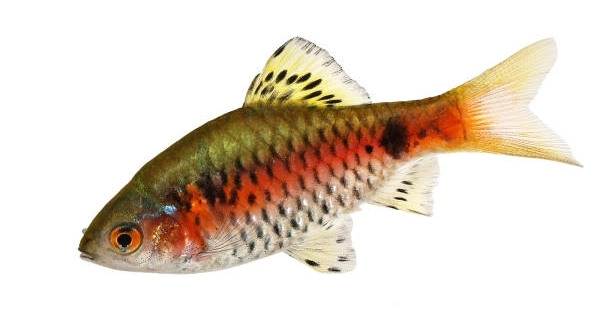
Have you ever noticed your Rosy Barbs spending most of their time in one particular spot in the tank, ignoring the rest? Their behavior might seem random at first, but there’s usually a clear reason behind their preference.
Rosy Barbs tend to favor one tank area due to factors such as water flow, light exposure, temperature, and access to hiding spots. These elements create a comfortable microenvironment that matches their natural instincts and reduces stress.
Learning more about these tank conditions can help you create a space where your Rosy Barbs feel safe, active, and balanced in every part of their aquatic home.
What Influences Tank Area Preference in Rosy Barbs
Rosy Barbs are active fish that respond strongly to their tank environment. They often prefer areas with steady water flow, stable temperature, and soft lighting. These spots usually offer comfort and a sense of safety. Decorations like plants, rocks, or driftwood also help them feel more secure. If a certain part of the tank has too much movement or light, they may avoid it completely. Tankmates can influence their behavior too—if other fish are aggressive or too fast, Rosy Barbs might stay away from those areas. Cleanliness matters as well; fish often avoid dirty or poorly oxygenated spots. Understanding these conditions can help you adjust your tank setup to keep your Rosy Barbs more evenly spread and content in their space.
Many Rosy Barbs tend to group together in the same preferred area, especially when it feels calm and safe. They’re naturally social and often follow each other’s behavior.
You don’t need to rearrange your whole tank to help them feel better. A few small changes, like adjusting the filter flow or softening the light in one area, can make a big difference. Keep an eye on their favorite spots and see if anything around it can be improved. If you notice they’re avoiding a certain corner, it might be too cold or bright. Check the water flow and temperature to make sure it’s balanced throughout the tank. Try adding some plants or hiding spaces to see if they feel safer exploring new areas. With a few thoughtful changes, your Rosy Barbs may start swimming more freely around their environment.
How to Create a Balanced Tank Space
Start by observing where they spend most of their time and what those areas have in common. Then, adjust the rest of the tank to match.
Begin with the lighting. Rosy Barbs often prefer dimmer lighting, so consider placing floating plants or adjusting your tank light’s intensity. Next, check the flow of water. If one area has calmer movement, try to spread that balance to the rest of the tank using adjustable filters or sponge filters. Also, look at the temperature—uneven heating can make certain spots uncomfortable. Place a thermometer at both ends of the tank to monitor it more effectively. Hiding places are essential too, especially when the fish need to rest or feel threatened. Simple changes like adding rocks, caves, or thick plants can provide comfort. Finally, ensure water quality is steady across the tank. Test for ammonia, nitrate, and pH regularly to avoid imbalances. A well-balanced setup makes a big difference in how relaxed and active your Rosy Barbs will be.
Adjustments That Make a Difference
Try reducing strong water flow in certain spots using plants or decorations. This helps create calmer zones that Rosy Barbs may enjoy more. Bright lighting can also be softened with floating plants to give a more natural, shaded feel in brighter areas of the tank.
Rosy Barbs may avoid areas that feel too open or exposed. Adding decorations like driftwood, tall plants, or small caves gives them a place to retreat when needed. These hiding spots help them feel more secure, especially when other fish are nearby. If your tank only has open swimming space, your Rosy Barbs might group in one corner where it feels slightly safer. Make sure the tank has a variety of textures and structures. Spread out the décor to avoid crowding one side, and watch how they respond over a few days. Even subtle changes in layout can shift their behavior and movement across the tank.
Temperature and water quality are also important. Uneven heating causes Rosy Barbs to stick to warmer areas. Use a thermometer to check if one side is cooler. If needed, move your heater or add another one to even things out. Also, test your water regularly to make sure ammonia, nitrite, and nitrate levels are stable. Poor water conditions often lead fish to stay near the filter or at the surface, where oxygen is higher. Make sure your filter is clean and working properly. A small sponge filter can help balance oxygen throughout the tank. Once water conditions are steady, you may see your Rosy Barbs swimming more freely across different sections of the tank.
Recognizing Discomfort or Stress
Look for signs like clamped fins, rapid breathing, or refusal to leave one area. These signs often mean something in the tank is making them feel uncomfortable, even if water tests seem normal at first.
If you notice your Rosy Barbs avoiding one area completely, check nearby equipment. Strong filters or air stones may be causing too much current. High-traffic areas near active tankmates can also lead to stress. Some fish may be more territorial, pushing your Rosy Barbs into a corner. Try temporarily removing aggressive fish or rearranging the tank to break up lines of sight. This helps reduce pressure and gives all fish more space. Watch their eating habits, too. If they’re not coming out to feed or always hiding, it could be linked to something in the environment. Regular tank checks, soft lighting, and good hiding spots can all support their comfort and help them settle into a healthy routine.
Observing Daily Habits
Pay attention to the times when your Rosy Barbs are most active. They often follow patterns, becoming more lively during feeding or when lighting changes. These moments can help you understand which tank areas they truly prefer.
Check how they interact with tankmates throughout the day. If they’re always avoiding a certain fish or group, it may be linked to stress. Watching their habits over time gives you helpful clues about their comfort levels and possible adjustments to make in your tank.
Small Changes, Big Impact
Even a small shift in décor placement or lighting can completely change how your Rosy Barbs behave. Try rotating a tall plant or slightly shifting a rock to open up space or create new hiding spots. These small updates can break up zones they usually avoid. If your tank lighting is too bright in one spot, try dimming that area using floating plants or adjusting your fixture. If they start exploring more, you’ll know it helped. Test one change at a time, and give them a few days to adjust before trying something else. Slowly shaping their environment this way can help them feel more balanced and secure in every part of the tank.
Understanding Their Signals
A relaxed Rosy Barb will swim calmly, explore new areas, and feed without hesitation. If they stop doing these things, something in the tank is likely off. Use their behavior as your guide.
FAQ
Why do my Rosy Barbs always stay near the filter?
Rosy Barbs may stay near the filter because it’s where the water is most oxygenated. If the rest of the tank has poor circulation or low oxygen levels, they’ll naturally gravitate to areas that feel better. This could also be a sign that the rest of the tank isn’t comfortable for them—maybe it’s too warm, too cold, or too bright. Check your water parameters, temperature, and flow. Adding a sponge filter on the opposite end or adjusting the current might help spread oxygen and make the entire tank feel more balanced.
Can tankmates cause Rosy Barbs to avoid certain areas?
Yes, tankmates definitely influence where Rosy Barbs spend their time. If other fish are territorial, nippy, or aggressive, Rosy Barbs may stay away from them. Even peaceful fish can cause stress if they swim too fast or constantly occupy a certain space. Rosy Barbs are social but don’t like to feel crowded. They prefer swimming in small groups and need room to move around freely. Watch how your fish interact, especially during feeding or when lights turn on. If one species dominates a section of the tank, your Rosy Barbs might avoid it to stay out of the way.
Is lighting really that important for Rosy Barbs?
Yes, lighting plays a bigger role than many people think. Rosy Barbs don’t like harsh or overly bright conditions. In the wild, they’re used to filtered light through plants or murky water. Strong lighting can make them feel exposed or stressed. If you notice them avoiding lit areas, consider dimming your lights or adding floating plants for shade. Balanced lighting helps them feel safe enough to explore the whole tank. Too much light can also encourage algae growth, which may affect water quality—something Rosy Barbs are sensitive to as well.
How do I know if the water flow is too strong?
Watch how your Rosy Barbs swim. If they struggle to stay in one spot, or constantly push against the current, the flow might be too strong. Rosy Barbs enjoy swimming, but they don’t want to fight the current all day. Areas of rest are important. If they only stay in one corner where the water is calm, you may need to redirect your filter output or block some of the flow with decorations. A good tank setup should have both gentle movement and still areas, so they can choose what feels right.
What kind of décor helps Rosy Barbs feel safer?
Use plants, caves, driftwood, or even stacked stones to give your Rosy Barbs options. They don’t need to hide all the time, but having a safe spot nearby helps them feel more at ease. Spread out the decorations rather than keeping them all in one place. This creates separate zones that can reduce stress and allow them to explore more freely. Live or fake plants both work, but make sure nothing has sharp edges. Even a few tall plants in the middle of the tank can break up space and help them feel less exposed.
Why do they stop exploring new areas even after I change the tank layout?
Rosy Barbs can be cautious with change. If you’ve recently moved things around, it may take a few days for them to adjust. They’re naturally curious, but also sensitive. Too many changes at once can stress them out. Try making small changes slowly—move one item, wait, then see how they react. Also, check your tank conditions again. Sometimes temperature or water chemistry changes slightly after you rearrange things. If everything looks good and they still avoid certain areas, try adding cover or reducing lighting in that zone to make it more appealing.
Can Rosy Barbs become territorial?
Usually, Rosy Barbs are peaceful and social. But if the tank is too small or overcrowded, they may start to guard certain areas. Males sometimes become pushy, especially during breeding behavior. This usually settles down if they have enough space and enough distractions. Keep them in groups of five or more to help spread out any dominant behavior. A larger tank with lots of swim room and hiding spots helps reduce this issue. If you see one fish chasing others away constantly, watch for signs of stress in the group and consider rearranging the tank.
What’s the best tank size for keeping Rosy Barbs active across the whole space?
A 30-gallon tank is a good minimum for a small group of Rosy Barbs. Bigger is better, especially if you want them to swim in all areas comfortably. Rosy Barbs are active swimmers, and they enjoy long stretches of open water. A tank that’s wider rather than tall gives them better horizontal space. If your tank is too small, they’ll feel cramped and may only stay in one section. In a well-sized tank, they’re more likely to explore, interact, and use all the space available. Proper tank size also helps reduce tension between fish.
Final Thoughts
Rosy Barbs are active and social fish that often show clear patterns in how they use their space. When they spend most of their time in one area of the tank, it’s usually because that spot offers something they like—calmer water, softer light, or better temperature. It can also be the only place where they feel safe. Even if your tank looks balanced, small differences in lighting, water flow, or layout can make a big impact. By watching their behavior and learning what they avoid, you can begin to understand what they need. Creating a space where every part of the tank feels welcoming can help your Rosy Barbs become more relaxed and active.
If they’re hiding too much or avoiding certain spots, don’t worry—this doesn’t always mean something is seriously wrong. Often, a few small changes are enough to help them feel better. Try softening bright lighting, adding more plants, or adjusting your filter to improve water flow. Check your water temperature at both ends of the tank and make sure your tankmates aren’t causing stress. These adjustments don’t have to be expensive or time-consuming. Even moving one piece of décor or spreading out hiding places can change how your fish use the space. When Rosy Barbs feel secure, they will start to swim around more and act more naturally.
Keeping your fish comfortable is an ongoing process. Their behavior will continue to shift based on the tank environment and the other fish around them. It’s helpful to take a few minutes each day to observe them. Notice where they gather, how they swim, and if their habits change suddenly. This regular attention helps you catch small issues early. Over time, you’ll learn what works best for your tank. A healthy tank isn’t just about clean water—it’s also about making sure each fish feels safe and active in its environment. With care and small changes, you can build a tank that your Rosy Barbs enjoy fully, not just one part of it.

Hello,
If you enjoy the content that we create, please consider saying a "Thank You!" by leaving a tip.
Every little bit helps us continue crafting quality advice that supports the health, happiness, and well-being of pets around the world, for pets of all shapes, sizes, and species.
We really appreciate the kindness and support that you show us!