
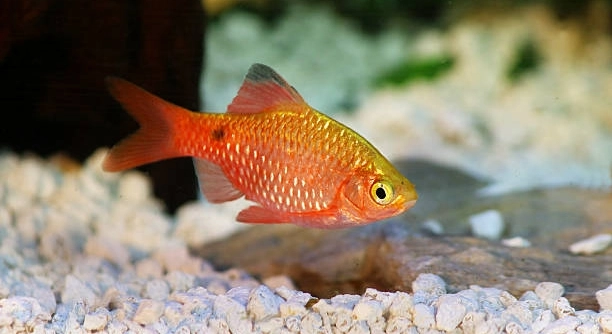
Rosy barbs are popular freshwater fish known for their bright colors and active behavior in home aquariums. Their social habits often include pairing off, which can happen suddenly and catch owners by surprise. Understanding this behavior can improve fish care.
Rosy barbs pair off suddenly due to mating instincts and territorial behavior. When conditions like water quality and temperature are favorable, males compete for females, leading to quick formation of pairs. This pairing helps ensure successful reproduction and social stability.
Knowing why rosy barbs pair off suddenly can help hobbyists manage their tanks better and create a balanced environment for these lively fish.
Reasons Behind Sudden Pairing in Rosy Barbs
Rosy barbs often pair off quickly when their environment changes or improves. Factors like water temperature, light cycles, and tank size can influence this behavior. When conditions mimic their natural habitat, they feel safer and more confident to display mating behaviors. Males become more active, showing brighter colors to attract females. Sometimes, new tank mates or rearranged decorations spark territorial instincts, causing pairs to form suddenly. This pairing is a way to establish dominance and secure breeding opportunities. It can also reduce stress by creating a social bond. Observing your fish during these moments helps understand their needs better. Proper nutrition and clean water also encourage healthy social interactions. Keeping an eye on these changes can prevent misunderstandings about their behavior.
Sudden pairing is a natural response to favorable conditions and social dynamics within the tank.
Watching these shifts in behavior provides insight into how your fish interact and adapt to their environment.
Managing Paired Rosy Barbs
Paired rosy barbs may need extra space and privacy to reduce stress. Separating aggressive individuals temporarily can help keep the peace. Ensuring plenty of hiding spots and plants allows each fish to feel secure. Regular tank maintenance, including water changes and monitoring parameters, supports their well-being. Balanced feeding routines prevent competition and aggression during feeding times. It’s important to observe interactions to catch any signs of bullying or health issues early. Sometimes, pairing can lead to increased spawning activity, which requires attention to avoid overpopulation. Providing a varied diet rich in nutrients strengthens their immune systems and encourages calm behavior. If pairing causes persistent aggression, consider adjusting tank mates or layout to restore harmony. Taking these steps makes living with rosy barbs more enjoyable for both fish and caretaker.
Signs That Rosy Barbs Are Pairing Off
Rosy barbs show clear signs when they start pairing. You may notice males becoming more colorful and chasing females gently. They often swim closely together, sometimes circling or nudging each other.
The males intensify their colors to attract females, displaying bright reds and oranges. They may also flare their fins to appear larger and more impressive. Chasing is usually a part of courtship, but it’s important to watch for aggressive chasing that causes harm. Pairing fish often spend more time side by side, swimming in sync. This behavior helps strengthen their bond. Watching these signs helps you understand their mood and health. Recognizing this early can guide how you manage the tank environment and care.
It is common for paired rosy barbs to spend more time near plants or decorations, creating small territories. This behavior protects their space and reduces stress from other tank mates.
Environmental Factors Affecting Pairing
Water temperature plays a key role in triggering pairing behavior. Rosy barbs prefer temperatures between 70°F and 78°F, which encourages breeding and social interaction. Changes in light cycles can also stimulate their instincts. Longer daylight hours mimic springtime, a natural breeding season. Water quality must be high, with regular cleaning and stable pH around 7.0 to 7.5. A spacious tank reduces competition and stress, allowing pairs to form comfortably. Overcrowding can prevent pairing or cause aggression. A well-maintained environment keeps the fish healthy and more likely to pair off naturally. Understanding these factors helps you create the best conditions for your rosy barbs to thrive and display normal behavior.
How Rosy Barbs Choose Their Partners
Rosy barbs tend to pick partners based on color and behavior. Brighter males usually attract females more easily. They look for strong, healthy mates to ensure successful breeding.
Males display their colors and swim actively to impress females. Females often respond by following or staying close to a chosen male, forming a pair quickly.
The Role of Tank Size in Pairing
A larger tank offers more space for territories, reducing stress and encouraging natural pairing behavior. Small tanks can cause competition and prevent bonding.
Providing enough room lets rosy barbs interact comfortably without constant conflict, helping pairs form more naturally.
Pairing and Breeding Behavior
When paired, rosy barbs may start spawning, releasing eggs and sperm in plants or substrate. This behavior signals readiness to reproduce and can happen suddenly with the right conditions.
Common Misunderstandings About Pairing
Some owners mistake pairing for aggression, but it is often a natural social or mating behavior. Recognizing the difference helps in proper tank management.
FAQ
Why do rosy barbs pair off suddenly without warning?
Rosy barbs often pair suddenly because their environment has changed in a way that triggers mating or territorial behavior. Changes in water temperature, lighting, or tank setup can encourage males to show off and seek females quickly. When conditions feel safe and ideal, this behavior appears naturally and sometimes quite fast.
Is sudden pairing a sign of aggression?
Not always. While chasing and some chasing behavior may look aggressive, sudden pairing is usually related to courtship or establishing territory. If the chasing causes harm or persistent stress, it may be aggression, but gentle nudges and swimming closely together show social bonding.
How can I tell if my rosy barbs are mating or just pairing?
Mating involves spawning where eggs and sperm are released, often around plants or decorations. Pairing alone is more about swimming together and mutual following without eggs being laid. Watch for spawning behavior like rapid swimming near plants or increased activity after pairing.
What tank conditions promote sudden pairing?
Stable water temperature between 70°F and 78°F, clean water, balanced pH (7.0 to 7.5), good lighting that mimics natural day length, and enough space all promote natural pairing. Avoid overcrowding, as it raises stress and prevents social bonds.
Should I separate paired rosy barbs if they become too territorial?
If territorial behavior causes injury or constant stress, consider separating aggressive fish temporarily. Provide hiding spots to reduce conflict. Often, pairs settle down once territories are established, but persistent fighting requires intervention.
Does pairing mean my rosy barbs will breed soon?
Pairing is a common precursor to breeding, but not all pairs will spawn immediately. Favorable conditions, good nutrition, and low stress increase the chance of breeding. Keep an eye on behavior for spawning signs if breeding is your goal.
Can sudden pairing be prevented?
Sudden pairing is a natural response and difficult to prevent completely. However, maintaining consistent tank conditions, avoiding sudden changes, and managing the number of males can reduce overly aggressive pairing or competition.
How does tank size influence pairing behavior?
Larger tanks provide space for territories and reduce stress, allowing natural pairing and breeding behaviors. Small tanks can lead to overcrowding, which disrupts social interactions and causes more aggression rather than healthy pair bonding.
What should I feed my rosy barbs during pairing and breeding times?
Feed a varied diet rich in protein and nutrients, such as high-quality flakes, pellets, and occasional live or frozen foods like brine shrimp or bloodworms. Good nutrition supports energy for mating and overall health during these active periods.
Are there any risks associated with rosy barbs pairing suddenly?
The main risk is increased aggression or stress if the tank is overcrowded or lacks hiding places. This can lead to injury or health problems. Monitoring fish behavior and maintaining a proper environment reduces these risks.
How long does pairing last in rosy barbs?
Pairing can last from a few days to several weeks, depending on conditions and whether spawning occurs. Some pairs stay bonded longer, while others may break off and re-form depending on tank dynamics.
What signs indicate that pairing is causing stress?
Signs include constant chasing that leads to injuries, hiding fish that avoid the pair, loss of appetite, or lethargy. If these appear, it’s important to act by adjusting the tank or separating fish if needed.
Can rosy barbs pair with other species?
Rosy barbs typically pair with their own species but may show social interactions with other fish. However, pairing for breeding is usually species-specific. Mixing species may cause stress or disrupt normal social behavior.
Is it necessary to have both males and females for pairing?
Yes, pairing usually involves males and females, especially during breeding. Males display bright colors to attract females. Without females, males might show territorial behavior but won’t form true pairs.
How does light affect rosy barb pairing behavior?
Longer daylight hours simulate spring and encourage mating behavior, including pairing. Sudden changes in lighting can also trigger activity. Consistent, natural light cycles help keep fish behavior stable.
What is the best way to observe pairing without disturbing the fish?
Watch the fish calmly from outside the tank, avoiding sudden movements or tapping on glass. Using indirect lighting or observing during active parts of the day helps see natural behavior without stress.
Do rosy barbs require special care during pairing and breeding?
Yes, they need clean water, good nutrition, and enough space. Removing aggressive tank mates or adding more plants for cover can reduce stress. Regular monitoring ensures any problems are addressed quickly.
Rosy barbs are lively fish that often surprise owners when they suddenly pair off. This behavior is natural and usually linked to their mating instincts or social needs. When the conditions in their tank are right—such as the right temperature, clean water, and enough space—they feel comfortable enough to form pairs. These pairs help establish social bonds and make the fish feel secure. Understanding why rosy barbs pair off can improve how you care for them and make their tank a better environment.
Caring for rosy barbs during these times means paying close attention to their tank setup and health. Providing plenty of space and hiding places reduces stress and allows pairs to form naturally without causing fights. Keeping the water clean and stable in temperature helps maintain their health and encourages good behavior. Watching their interactions closely helps you know when their pairing is normal courtship or when it might become aggressive and need attention. Feeding them a balanced diet supports their energy levels, especially if they are preparing to breed.
Knowing how to manage paired rosy barbs is important for keeping your aquarium peaceful. If you notice too much chasing or stress, rearranging the tank or giving more room can help. Sometimes, separating fish temporarily is necessary to avoid injuries. Each tank and group of fish is different, so observing your rosy barbs carefully will guide you in making the right decisions. With proper care and understanding, your rosy barbs can enjoy a healthy and active life, showing their natural behaviors in a safe and happy space.

Hello,
If you enjoy the content that we create, please consider saying a "Thank You!" by leaving a tip.
Every little bit helps us continue crafting quality advice that supports the health, happiness, and well-being of pets around the world, for pets of all shapes, sizes, and species.
We really appreciate the kindness and support that you show us!