
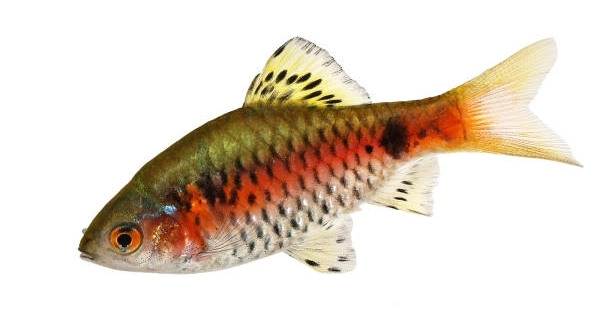
Have you ever noticed your rosy barbs flicking their bodies more than usual and wondered what could be causing this behavior?
Rosy barbs flick their bodies primarily as a reaction to external irritants such as parasites, poor water quality, or environmental stress. This behavior serves as a physical response to discomfort and is often an early sign of underlying health issues.
There’s more to this behavior than meets the eye, and understanding the cause can help improve your fish’s overall well-being.
Why Rosy Barbs Flick Their Bodies
Flicking, also known as flashing, is a common sign that something isn’t quite right in your rosy barb’s tank. When they quickly rub or shake their bodies against objects or dart around suddenly, it usually signals irritation. Poor water quality is one of the most common causes. Ammonia, nitrite, and fluctuating pH levels can stress the fish and lead to this behavior. External parasites, like ich or flukes, may also be to blame, especially if the fish show other symptoms like white spots or labored breathing. It’s important to monitor water conditions and observe any changes in behavior closely. These movements are not just random actions—they’re physical signals that something in their environment is causing discomfort. Even minor temperature shifts or overcrowding can contribute to flicking. When left unaddressed, the problem can lead to more serious health complications, so quick action and attention to detail make a big difference.
Keep an eye out for other symptoms like loss of appetite or color fading.
Noticing this behavior early can help prevent health issues. If flicking persists, start by testing your water parameters. In many cases, a simple water change, better filtration, or adjusting the temperature can help ease their stress and improve their condition quickly.
What to Check First
Water quality should always be your starting point. Testing your tank weekly helps catch problems before they cause stress or sickness.
When your rosy barbs start flicking, grab a test kit and check the basics: ammonia, nitrite, nitrate, and pH. Ammonia should be zero, nitrites should also be zero, and nitrates should stay under 20–40 ppm. If any of these levels are off, the fish may be reacting to discomfort in their environment. Make sure your filtration system is strong enough for your tank size, and don’t forget to clean it regularly. Also, review your tank’s population. Overcrowding can stress the fish and weaken their immune systems, making them more vulnerable to parasites. Speaking of which, look closely for signs of ich or gill flukes—common external parasites that cause flicking. Tiny white spots or clamped fins may indicate trouble. If water parameters are fine but flicking continues, it’s a good idea to isolate the affected fish and start appropriate treatment. Taking action early can prevent the spread of illness to other fish.
Signs It’s More Than Just Flicking
If your rosy barb is flicking often and showing other signs like clamped fins or rubbing against surfaces, it’s likely something more serious. These behaviors usually point to irritation from parasites or poor water conditions.
When flicking is frequent and paired with other changes like faded color, rapid gill movement, or hiding, it’s time to act. Look for visible signs like small white spots (ich) or redness on the skin, which may indicate infections or parasites. Some fish will also show a sudden loss of energy or stop eating. These behaviors should never be ignored. Even if water quality seems fine, parasites can still affect your fish. Medication may be needed, but always start with checking your tank environment. Healthy fish shouldn’t flash regularly, so don’t assume it’s normal unless you’ve ruled out all issues. It’s better to treat the tank early than to wait too long.
Consistent flashing with no external signs can still mean internal parasites or gill irritation. Check the gills for excess mucus or swelling. If they seem pale or discolored, it might be a sign of flukes or bacterial infection. Keep the fish under observation and consult a vet or aquatic specialist if the issue doesn’t improve. Quarantine if needed.
How to Help Them Recover
Improving water quality is usually the first and most helpful step. A 25–50% water change using dechlorinated water can quickly reduce toxins. Don’t forget to vacuum the substrate and clean filter sponges gently.
If parasites are suspected, treat the tank with a safe antiparasitic medication like copper-based treatments or formalin. Always follow the dosage instructions exactly. Remove any activated carbon from your filter during treatment, as it can absorb the medication. Some treatments may require more than one dose, so monitor your fish closely throughout the process. Meanwhile, raise the temperature gradually by a few degrees to speed up parasite life cycles, especially for ich, but be sure your fish can tolerate it. Keep lights low and minimize stress by reducing activity around the tank. Feed high-quality food to support recovery. After treatment, continue testing water parameters regularly and make small, frequent water changes to keep the tank stable and clean.
What to Avoid During Treatment
Avoid overmedicating or combining multiple treatments without clear guidance. This can stress your fish and harm the tank’s balance. Always finish the full course of any treatment unless advised otherwise by a professional.
Don’t skip water testing during treatment. Medications can affect water chemistry, and unstable conditions may slow your fish’s recovery.
Preventing Flicking in the Future
Maintaining consistent water quality is the best way to prevent flicking. Test weekly, perform regular water changes, and avoid overfeeding. Make sure your tank isn’t overcrowded, and always quarantine new fish before adding them to the main tank. Stable temperatures and gentle lighting also help reduce stress. Adding live plants can improve water quality and create a more natural environment. If you notice unusual behavior, act quickly. Early signs are easier to fix before they turn into bigger health problems. Stick to a simple routine that keeps your rosy barbs healthy, and they’ll be less likely to show stress-related behavior like flicking.
When to Ask for Help
If flicking continues after treatment and water improvements, it’s time to consult an aquatic vet or specialist.
FAQ
How often is flicking normal in rosy barbs?
Occasional flicking isn’t always a concern, especially after a water change or during minor environmental shifts. However, if you see it happening repeatedly throughout the day or for multiple days in a row, it’s likely a sign that something’s wrong in the tank. It’s best to observe the fish closely and test your water to rule out problems before they get worse.
Can flicking mean aggression or excitement?
Rosy barbs are active swimmers and can get excited during feeding or while interacting with other fish. But excitement usually shows up as chasing, darting, or schooling—flicking is different. Flicking tends to look more like sudden body rubbing or a quick side-swipe against surfaces. If it’s aggressive behavior, you’ll likely notice chasing or nipping too. Otherwise, flicking typically signals irritation.
Should I treat the whole tank or just the flicking fish?
If one fish is showing symptoms, chances are the others have been exposed too. It’s usually safer to treat the entire tank if parasites are suspected. Isolating the affected fish can work for injuries or if you’re unsure of the cause. But in most parasite cases, a full tank treatment ensures better results and prevents reinfection.
How do I safely use medications?
Follow the instructions exactly. Don’t guess dosages or mix treatments unless the label or a vet says it’s okay. Remove carbon filters during treatment, as they can absorb the medication. Keep a close eye on your fish throughout the process, and don’t forget to monitor the water conditions, since some meds can affect beneficial bacteria or oxygen levels.
What temperature is best during treatment?
For rosy barbs, a safe range is 74–78°F (23–26°C). If treating for ich, raising the temperature slightly—around 80°F (27°C)—can help speed up the parasite’s lifecycle, making treatments more effective. Always raise the temperature slowly over several hours to avoid shocking your fish. Monitor them closely to ensure they’re handling the change well.
Can poor diet cause flicking?
A poor diet can weaken a fish’s immune system, making it easier for parasites or infections to take hold, which can lead to flicking. Stick with a varied diet that includes high-quality flakes, frozen foods, or live treats. Overfeeding can also lead to poor water quality, which may indirectly cause the behavior. Feed small amounts once or twice daily.
How long should I wait before trying another treatment?
Give the first treatment a few days to take effect—most need at least a full course. If flicking continues after the full treatment and the water is in good condition, reassess the symptoms or consult a vet. Switching too quickly can confuse the diagnosis and stress the fish further.
Are certain tank mates more likely to stress rosy barbs?
Yes, overly aggressive or fast-moving tank mates can stress them out. Stick with peaceful, similarly sized fish that can keep up with their activity level. Avoid slow-moving species that may be nipped at, or very dominant fish that may create competition. A calm tank helps reduce stress-related behaviors.
Is flicking always caused by parasites?
Not always. While parasites are a common cause, flicking can also result from poor water conditions, chemical irritation, or even gill inflammation. It’s important not to jump straight to medication without testing water and observing for other symptoms. Some causes can be fixed with a simple water change or equipment check.
Do live plants help reduce flicking behavior?
Live plants can improve water quality by absorbing excess nutrients and providing natural shelter, which helps reduce stress. Lower stress levels often lead to fewer health problems, including flicking. They also support a more stable tank environment, which benefits overall fish health. Just make sure your plants are healthy and free from pests or decay.
Final Thoughts
Flicking in rosy barbs is not something to ignore, especially if it happens regularly. While an occasional flick may be harmless, frequent body flicking is often a sign of stress, irritation, or a possible health issue. It’s usually one of the earliest ways your fish will show that something in their environment isn’t right. Poor water quality, parasites, overcrowding, or sudden temperature shifts are just a few of the common causes. That’s why it’s important to pay attention to your fish’s behavior and take small changes seriously. Even without visible symptoms, flicking should still prompt a closer look at your tank’s conditions.
Taking quick action can prevent more serious problems from developing. The first step is always testing your water. If ammonia, nitrite, or nitrate levels are off, or if the pH has changed, those imbalances can irritate your fish. Fixing these can often stop the flicking without the need for medication. If water conditions are stable but the behavior continues, external parasites or gill issues might be to blame. In that case, a targeted treatment may be needed. Stick with trusted medications, follow instructions carefully, and don’t forget to remove carbon from your filter during the process. Keep an eye on how your fish respond and continue monitoring water parameters while treating.
Once the issue is under control, focus on preventing it from coming back. Keep a simple and steady care routine—weekly water testing, regular water changes, proper feeding, and quarantining new fish before adding them to your tank. A balanced tank setup with good filtration, stable temperature, and gentle lighting makes a big difference. Also, try to keep the tank calm and not overcrowded. Rosy barbs are active and social, but like any fish, they need a stable and clean environment to stay healthy. Watching your fish closely and responding to small changes will help prevent future issues and give your fish the best chance at a healthy, stress-free life.

Hello,
If you enjoy the content that we create, please consider saying a "Thank You!" by leaving a tip.
Every little bit helps us continue crafting quality advice that supports the health, happiness, and well-being of pets around the world, for pets of all shapes, sizes, and species.
We really appreciate the kindness and support that you show us!