
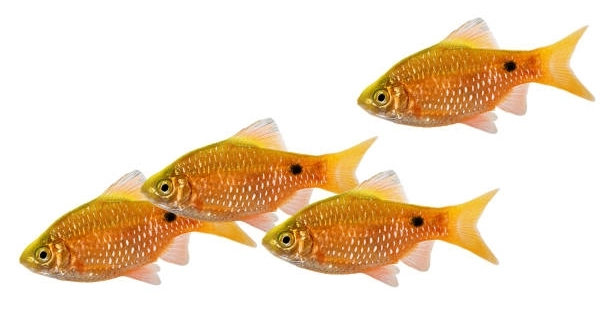
Rosy Barbs are popular aquarium fish known for their active behavior and bright colors. Many owners notice them flicking their fins frequently. This movement often catches attention and leads to questions about what causes it.
Rosy Barbs flick their fins repeatedly primarily as a response to environmental stimuli, communication, or to remove irritants. This behavior can indicate excitement, stress, or a natural instinct to maintain fin health. It is a common, normal action in their daily activities.
Understanding why Rosy Barbs flick their fins can help aquarium owners create better living conditions. Observing these behaviors closely ensures the fish remain healthy and comfortable in their environment.
Reasons Behind Fin Flicking Behavior
Rosy Barbs flick their fins for several reasons. One common cause is communication. Fish use fin movements to signal their mood or intentions to others in the tank. Flicking can show excitement or a warning to keep distance. Another reason is irritation from water conditions or parasites. If the water is not clean or has high levels of chemicals, the fish may flick fins to try and relieve discomfort. Sometimes, fin flicking helps remove debris or algae buildup on their fins. It can also be a way to stretch and keep their fins flexible. Observing how often and when the fish flick their fins can provide clues about their health and environment.
Fin flicking is often a natural behavior, but frequent flicking could indicate a need for better tank care.
Monitoring water quality and tank mates is important to maintain Rosy Barbs’ well-being and reduce excessive fin flicking.
How Tank Conditions Affect Fin Flicking
Poor water quality can cause Rosy Barbs to flick their fins more frequently. High levels of ammonia, nitrites, or nitrates irritate their skin and fins, making them restless. Sudden changes in temperature or pH can also stress the fish, leading to more fin flicking. Overcrowding or aggressive tank mates may cause nervous behavior, increasing fin movement as a sign of discomfort. Proper filtration and regular water changes help keep the tank clean and stable. Providing hiding places can reduce stress by offering shelter. Maintaining a balanced diet also supports overall health, making the fish less prone to irritation and excessive fin flicking. Paying attention to these factors helps keep Rosy Barbs calm and healthy.
Water parameters have a direct impact on Rosy Barbs’ behavior. Clean and stable conditions reduce stress and unwanted fin flicking.
By regularly testing water and adjusting the environment, owners can create a comfortable habitat. Ensuring enough space and compatible tank mates prevents aggression and anxiety. Small improvements in care routines often lead to noticeable changes in fish behavior. This attention to detail helps the Rosy Barbs feel secure, reducing fin flicking caused by discomfort or stress. In the end, understanding the link between tank conditions and fin flicking allows for better care and a healthier aquarium community.
Signs of Stress in Rosy Barbs
Stress in Rosy Barbs often causes frequent fin flicking. It may also lead to loss of appetite and hiding. Stress can weaken their immune system, making them vulnerable to illness.
Common stress triggers include poor water quality, overcrowding, or sudden changes in environment. Watching for these signs helps catch problems early. When stressed, Rosy Barbs may flick fins more as a nervous reaction or to try to soothe irritation. Addressing stress factors quickly improves their comfort and reduces excessive fin movements. Keeping a stable and calm tank environment is key to preventing stress-related behaviors.
Recognizing stress signs allows for timely intervention. Adjusting water parameters, reducing tank overcrowding, and avoiding sudden changes can calm stressed fish. Regular observation ensures that any unusual fin flicking linked to stress is not ignored. A peaceful, well-maintained tank supports Rosy Barbs’ health and natural behavior, minimizing fin flicking caused by discomfort.
The Role of Social Behavior in Fin Flicking
Rosy Barbs are social fish and often flick fins as part of group interaction. This behavior can signal dominance or submission. It is also used during mating displays to attract partners. In a healthy social group, fin flicking helps maintain hierarchy and reduces conflicts.
In overcrowded or mixed-species tanks, fin flicking may increase due to competition or stress. Providing enough space and proper tank mates helps reduce unnecessary fin flicking caused by social tension. Watching how fish interact shows whether fin flicking is normal communication or a sign of conflict. Managing social dynamics within the tank supports the natural and healthy expression of fin flicking behavior.
Environmental Triggers for Fin Flicking
Changes in lighting or sudden noises can cause Rosy Barbs to flick their fins more often. They are sensitive to disruptions in their environment.
Strong currents or water flow may also encourage frequent fin flicking as fish adjust to the movement and maintain balance.
Health Issues Related to Fin Flicking
Fin flicking can sometimes indicate health problems like parasites or infections. External parasites irritate the skin and fins, causing repeated flicking as the fish tries to relieve discomfort. Fungal or bacterial infections can also lead to abnormal fin movement. Regular health checks and observing fin condition help detect issues early. Treating infections promptly reduces stress and prevents further fin damage. Maintaining good water quality and quarantine procedures for new fish minimizes disease risks.
Preventing Excessive Fin Flicking
Providing a stable, clean environment reduces fin flicking caused by stress or irritation.
Observing Natural Fin Movement Patterns
Rosy Barbs flick fins naturally as part of their daily activity and interaction with their surroundings.
FAQ
Why do Rosy Barbs flick their fins more when introduced to a new tank?
When Rosy Barbs are placed in a new tank, they often flick their fins due to stress and unfamiliar surroundings. The new environment can cause mild irritation or nervousness as they adjust. This fin flicking is usually temporary and lessens as the fish become comfortable and settle in.
Is frequent fin flicking a sign of illness in Rosy Barbs?
Frequent fin flicking can be a symptom of illness, especially if accompanied by other signs like lethargy, discoloration, or damaged fins. Parasites, fungal infections, and bacterial diseases can irritate the skin and fins, causing fish to flick their fins repeatedly in an attempt to soothe themselves.
How can I tell if fin flicking is normal or a problem?
Normal fin flicking happens occasionally and is part of natural behavior like communication or stretching. If the flicking is constant or paired with other symptoms like rubbing against objects, it may indicate discomfort or illness. Observing overall behavior and environment helps distinguish normal flicking from a problem.
Can water quality affect fin flicking behavior?
Yes, poor water quality is a common cause of increased fin flicking. High ammonia, nitrite, or nitrate levels irritate fish skin and fins, leading to excessive flicking. Maintaining proper filtration and regular water changes are essential to keep water conditions healthy and reduce irritation-related fin flicking.
Does tank size impact how often Rosy Barbs flick their fins?
A small or overcrowded tank can increase stress and competition among fish, which may lead to more frequent fin flicking. Rosy Barbs need enough space to swim freely and establish social hierarchies without excessive conflict. Providing adequate tank size helps reduce stress-related fin flicking.
Are certain tank mates more likely to cause fin flicking?
Aggressive or territorial tank mates can provoke fin flicking in Rosy Barbs as a stress response or defensive behavior. Compatible and peaceful companions minimize conflict and unnecessary fin movement. Selecting suitable tank mates is important to maintain a calm environment and natural fin flicking levels.
How does diet influence fin flicking in Rosy Barbs?
A poor diet can weaken Rosy Barbs’ immune systems, making them more sensitive to irritants and prone to fin flicking. Feeding a balanced and nutritious diet supports overall health and reduces the chance of irritation-related behaviors. Supplements like vitamins can also improve fin condition.
What should I do if I notice sudden increases in fin flicking?
Sudden changes in fin flicking may indicate environmental or health issues. Check water parameters immediately, look for signs of illness, and observe tank dynamics. Correct any water quality problems and consider isolating affected fish if illness is suspected. Early action helps prevent worsening conditions.
Can fin flicking be a sign of breeding behavior?
Yes, during mating periods, male Rosy Barbs may flick their fins more to display strength and attract females. This behavior is part of natural social interaction and usually occurs alongside other breeding behaviors like chasing or color changes.
Is fin flicking harmful to Rosy Barbs?
Fin flicking itself is not harmful and is often a natural part of fish behavior. However, if excessive and caused by irritation or stress, it can lead to fin damage over time. Addressing the underlying cause helps prevent harm and supports healthy fin maintenance.
Final Thoughts
Rosy Barbs flick their fins for many reasons, ranging from natural communication to responses caused by environmental changes or health issues. This behavior is common and usually not a cause for concern. Flicking helps fish interact with each other and maintain their fin health. It is a part of their normal daily activity. However, observing the frequency and context of fin flicking is important to understand if something else might be affecting the fish.
Tank conditions play a big role in how often Rosy Barbs flick their fins. Poor water quality, overcrowding, and aggressive tank mates can cause stress, leading to increased fin flicking. Regular water testing, cleaning, and providing enough space can help keep the fish comfortable. Stable and clean environments reduce irritation and stress, allowing the fish to behave naturally. This also lowers the risk of health problems that might cause unusual fin movements.
Paying attention to fin flicking can help fish owners identify early signs of trouble. If fin flicking seems excessive or is accompanied by other symptoms like changes in appetite or appearance, it is important to check water conditions and look for possible illnesses. Prompt care and proper tank maintenance support the health and well-being of Rosy Barbs. Understanding their behavior improves how they are cared for, ensuring they remain lively and healthy in the aquarium.

Hello,
If you enjoy the content that we create, please consider saying a "Thank You!" by leaving a tip.
Every little bit helps us continue crafting quality advice that supports the health, happiness, and well-being of pets around the world, for pets of all shapes, sizes, and species.
We really appreciate the kindness and support that you show us!