
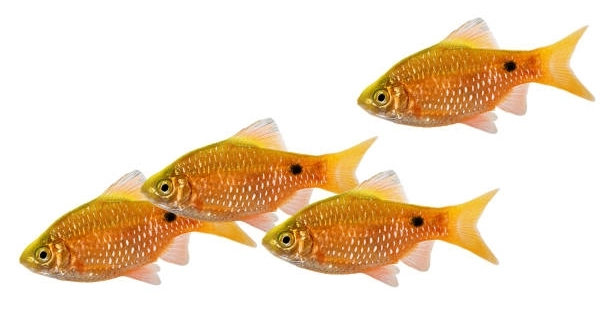
Rosy barbs often gather closely together in small groups, creating an interesting behavior to observe in aquariums. These small fish seem calm and stay near one another without much movement. This natural clustering can be seen as a peaceful part of their daily routine.
Rosy barbs cluster without moving primarily due to social and environmental factors such as safety in numbers, water conditions, and mild territorial instincts. This behavior helps reduce stress and conserve energy while maintaining group cohesion in their habitat.
Learning why rosy barbs act this way can improve how you care for them. Understanding their natural tendencies makes keeping these fish more rewarding and helps create a healthier aquarium environment.
Why Rosy Barbs Form Clusters
Rosy barbs naturally group together as a way to feel safe. In the wild, staying close helps protect them from predators. When they cluster, the fish appear less vulnerable because there are many eyes watching for danger. This behavior also helps them stay warm and conserve energy, especially when the water temperature is cooler. In an aquarium, the same instincts remain. If the water feels a little unsettled or if there are sudden changes, rosy barbs may huddle tightly to feel more secure. Clustering is also linked to their social nature—they prefer being near other fish. If you see them moving less and sticking together, it often means they feel comfortable and secure with their group.
This behavior is a natural response to their surroundings and social needs. It shows they are alert but not stressed enough to scatter.
Understanding their need to cluster helps aquarium owners create the right environment, ensuring the fish feel safe and behave naturally.
Factors Affecting Rosy Barb Clustering
Water quality plays a big role in how rosy barbs behave. Poor water conditions can make them stay close, trying to find comfort in numbers.
Stable water temperature, proper oxygen levels, and low stress encourage rosy barbs to swim freely rather than stay still in clusters. When the water feels right, the fish explore more, showing their active side. The size of the tank and the number of fish also affect clustering. Smaller tanks or overcrowded spaces can make them group tightly due to limited room or competition. Tank decorations like plants and hiding spots also influence where they gather. If the environment is well set up, rosy barbs will spread out more, but they will still come together naturally at times. Providing good water conditions and enough space is key to balancing their clustering behavior.
How Lighting Influences Rosy Barbs’ Behavior
Lighting affects how rosy barbs behave in the tank. Bright lights can make them feel exposed, encouraging clustering for safety. Dimmer or natural lighting helps them spread out and swim more freely.
Proper lighting mimics their natural environment, making them comfortable. Harsh or flickering lights may cause stress, leading to tight grouping as a defense mechanism. Soft lighting allows their colors to shine and reduces anxiety. When lighting is balanced, rosy barbs show more natural swimming patterns instead of clustering excessively. Adjusting light duration and intensity can improve their overall activity and well-being.
Observing your tank’s lighting setup and adjusting it as needed helps maintain a calm atmosphere. This simple change can reduce constant clustering and encourage a more lively fish group.
Social Behavior and Rosy Barb Clustering
Rosy barbs are social fish that naturally stick together to feel secure. Their grouping helps establish a social structure that reduces conflict within the tank. Being part of a cluster allows them to communicate and maintain bonds. If one fish feels threatened, the others respond quickly because they are close by.
In smaller groups, clustering becomes even more noticeable because they rely heavily on each other for comfort. Fish isolated from the group often show stress or loneliness, leading to less vibrant behavior. Group size affects how often and tightly they cluster, with larger groups sometimes spreading out more comfortably. Their social behavior encourages close interaction but also depends on a peaceful environment where competition for food or space is minimal. Providing enough fish and avoiding overcrowding keeps their social needs balanced and their clustering natural.
Tank Size and Its Effect on Clustering
Smaller tanks often cause rosy barbs to cluster more tightly. Limited space makes them feel crowded and less secure.
Larger tanks give them room to spread out and explore. More space usually reduces constant clustering and encourages natural swimming behaviors.
Feeding Habits and Grouping
Feeding times influence how rosy barbs group together. When food is added, they often swim close to compete and eat quickly. This behavior can look like clustering but is driven by hunger and excitement. Outside feeding, they may relax and spread out more in the tank.
Temperature’s Role in Clustering
Water temperature affects how active rosy barbs are. Cooler water tends to slow them down, leading to more clustering as they conserve energy. Warmer water usually encourages swimming and exploration, causing the fish to spread out and be less clustered.
Stress and Its Impact on Rosy Barbs
Stress causes rosy barbs to cluster tightly. Loud noises, sudden movements, or poor water conditions can trigger this protective behavior. Reducing stress helps them feel safe enough to swim freely.
FAQ
Why do rosy barbs stay in clusters even when there is plenty of space?
Rosy barbs cluster naturally because they feel safer in groups. Even with enough space, their instincts tell them to stay close to others to reduce risk from potential threats. Clustering also helps them communicate and maintain social bonds, which is important for their wellbeing.
Can clustering mean my rosy barbs are stressed?
Sometimes clustering is a sign of stress, especially if it happens suddenly or the fish seem inactive. Stress can come from poor water quality, sudden changes in temperature, or loud noises. If clustering is combined with other signs like faded colors or hiding, check the tank conditions to reduce stress.
Is clustering a sign of illness?
Clustering alone doesn’t usually mean illness, but it can be an early warning. Sick fish may gather together to conserve energy or seek comfort. Watch for other signs like loss of appetite, unusual swimming, or spots on the body to determine if they might be sick.
How can I reduce excessive clustering in my tank?
Improving water quality, adjusting lighting, and ensuring proper temperature can help. Also, make sure the tank is large enough and not overcrowded. Adding plants or decorations creates hiding spots, which makes fish feel safer and less likely to cluster all the time.
Do rosy barbs cluster only when resting?
Not always. They cluster for safety, social interaction, and energy conservation. Resting periods may increase clustering, but you can also see them grouped when exploring or feeding.
Is it normal for rosy barbs to stop moving while clustered?
Yes, staying still while clustered is a common way to conserve energy and reduce stress. If the fish are calm and healthy otherwise, this behavior is normal.
Does tank size affect clustering behavior?
Yes, smaller tanks often increase clustering because the fish have less space to move. Larger tanks encourage more movement and spreading out, which reduces tight grouping.
Can the number of fish in the tank influence clustering?
Definitely. Rosy barbs are social and do better in groups. If the group is too small, the fish may cluster tightly for comfort. A moderate-sized group helps balance social needs and space, reducing constant clustering.
What role does water temperature play in clustering?
Colder water slows fish metabolism, making them cluster to save energy. Warmer water increases activity, leading to more movement and less clustering.
Should I be worried if rosy barbs cluster during feeding?
No, clustering during feeding is normal as fish gather to eat. It’s a natural behavior driven by competition for food and excitement.
Can lighting changes reduce clustering?
Yes, soft, stable lighting makes fish feel safer and encourages natural movement. Bright or flickering lights can cause stress and increase clustering.
How does stress cause clustering?
Stress triggers a survival response, making fish stick together tightly to feel protected. Reducing stress by maintaining good tank conditions helps fish relax and move more freely.
Do rosy barbs prefer clustering over swimming alone?
Rosy barbs are schooling fish, so they naturally prefer being in groups. Swimming alone can make them feel vulnerable, so they tend to cluster for comfort and protection.
Rosy barbs are naturally social fish that enjoy being in groups. Their tendency to cluster is a normal part of how they behave, helping them feel safe and comfortable. When these fish stay close together without much movement, it usually shows they are relaxed and secure in their environment. This grouping behavior is influenced by many factors like water quality, tank size, lighting, temperature, and social needs. Knowing why rosy barbs cluster helps you understand their habits better and gives you a chance to create a better living space for them.
It’s important to remember that clustering isn’t always a sign of a problem. Sometimes rosy barbs gather tightly to conserve energy or feel protected. However, if you notice sudden changes, like constant clustering with signs of illness or stress, it’s a good idea to check the tank conditions. Proper care involves maintaining clean water, stable temperature, and enough space to let them swim freely. Providing hiding spots with plants or decorations can also reduce stress and encourage more natural behavior. When the environment feels safe, rosy barbs are more likely to spread out and show their bright colors and playful swimming.
Taking care of rosy barbs means paying attention to their behavior and tank setup. By adjusting factors like lighting and group size, you can help reduce unnecessary clustering while keeping your fish healthy and happy. Understanding their social nature and environmental needs makes a big difference in their overall well-being. With the right care, rosy barbs will thrive, giving you the chance to enjoy their peaceful, lively presence in your aquarium.

Hello,
If you enjoy the content that we create, please consider saying a "Thank You!" by leaving a tip.
Every little bit helps us continue crafting quality advice that supports the health, happiness, and well-being of pets around the world, for pets of all shapes, sizes, and species.
We really appreciate the kindness and support that you show us!