
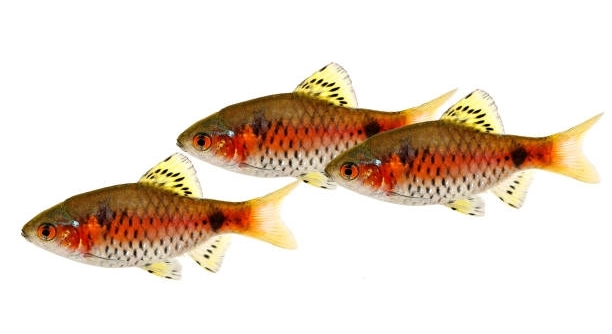
Rosy barbs are small, colorful fish that often brighten up home aquariums. They tend to pick specific spots within their tanks to live and swim around. Understanding why they choose certain areas helps us care for them better.
Rosy barbs select their territory based on factors like water flow, availability of hiding spots, and proximity to food sources. These environmental elements influence their comfort, safety, and social behavior within the aquarium.
Knowing what guides rosy barbs’ choices can improve how we set up their tanks and promote a healthier environment for them.
Understanding Territory Selection in Rosy Barbs
Rosy barbs tend to choose territories that provide a balance of safety and access to resources. In an aquarium, they often pick spots near plants or decorations that offer shelter from perceived threats. These hiding places give them a sense of security, reducing stress. They also prefer areas where the water flow is moderate—not too strong to tire them out but enough to bring fresh oxygen. Food availability is another important factor; rosy barbs usually stay close to feeding zones where they can easily find their meals. Social behavior plays a role, too. Dominant fish may claim preferred territories, while others adapt by choosing less contested spaces. Light levels can influence their choices as well, as some rosy barbs favor shaded corners. Overall, their territory choice reflects a mix of environmental comfort and social dynamics within the tank.
Territory selection is mainly driven by a need for safety, food access, and comfort in water conditions.
Setting up a tank with varied hiding spots, gentle water flow, and consistent feeding areas helps rosy barbs feel secure and thrive. Observing their behavior can also reveal social hierarchies that affect where each fish prefers to stay.
Social Influence on Territorial Behavior
Rosy barbs are social fish, and their interactions affect how they pick territories.
Dominant individuals usually claim prime spots, while others adjust to less favored areas.
Social structure shapes how territories are divided among rosy barbs. Dominant fish often secure the best locations near food and shelter. Subordinate fish avoid conflict by choosing quieter spots or moving more frequently. This balance helps reduce fights and stress within the group. Group size also matters; larger groups may have more competition, causing some fish to wander or share territories. Stress levels rise when space is limited, leading to aggressive behavior. Tank owners can help by providing ample hiding spots and enough swimming room to reduce conflicts. Understanding these social patterns improves how we care for rosy barbs and creates a peaceful aquarium environment where each fish can find its place.
Environmental Factors Affecting Territory Choice
Water temperature affects where rosy barbs feel comfortable.
They prefer stable temperatures between 68°F and 78°F, which keeps their metabolism steady. Sudden changes can cause them to move to different areas in search of comfort. Light intensity also plays a role. Bright lights may push them toward shaded parts of the tank, while dimmer lighting can encourage activity. Water quality impacts their territory choices, too. Poor water conditions drive rosy barbs to avoid certain areas, looking for cleaner, oxygen-rich zones. Plants and decorations offer shelter and influence how they spread out. These factors combine to shape their preferred living spots within the aquarium.
Maintaining a stable temperature and good water quality encourages rosy barbs to settle comfortably. Plants and decorations create natural boundaries and hiding places that support their territorial behavior.
Water quality can fluctuate from waste buildup or poor filtration. When conditions worsen, fish become restless, moving frequently or hiding more often. A well-maintained tank with regular cleaning helps keep these stress factors low, promoting calm and settled territories.
Feeding Habits and Territory Preferences
Food availability strongly influences where rosy barbs choose to stay.
They usually claim territories near feeding areas, ensuring easy access to meals. Feeding times often become social events where fish gather and compete for food. Rosy barbs are opportunistic feeders, so they prefer spots where food is plentiful. Uneaten food can also affect water quality, indirectly influencing territory by making some areas less attractive. Overfeeding may lead to water pollution, causing fish to avoid those parts of the tank. Offering food evenly throughout the tank helps distribute rosy barbs more uniformly, reducing competition and territorial aggression. This feeding setup benefits both the fish and the tank’s health.
Tank Size and Space
Tank size limits how much territory rosy barbs can claim.
Smaller tanks force fish to compete for space, which can increase stress and aggression.
The Role of Plants and Decorations
Plants and decorations create natural boundaries and hiding spots. They help break the tank into smaller territories, reducing fights. Dense planting offers shy rosy barbs shelter, while open areas give dominant fish room to patrol. This variety supports balanced social behavior. Decorations also provide resting places and landmarks, helping fish recognize their own territory. Arranging these elements thoughtfully encourages peaceful coexistence and lets each fish find a comfortable space.
Water Flow Influence
Moderate water flow encourages rosy barbs to stay in certain areas.
Light Levels and Territory Selection
Light levels shape where rosy barbs feel safe or exposed, influencing their territory choices.
FAQ
Why do rosy barbs chase each other in the tank?
Chasing behavior is usually about establishing territory and social ranking. Dominant rosy barbs often chase others to defend their space or show who’s in charge. This behavior helps set boundaries but can sometimes look aggressive. If chasing becomes constant or violent, it might mean the tank is too small or crowded.
How can I reduce territorial fights among rosy barbs?
Increasing tank size and adding plenty of plants or decorations can help. These elements create separate hiding spots and break up open spaces, reducing conflict. Feeding the fish evenly and regularly also lowers competition for food. Keeping the water clean and stable reduces stress, which in turn lessens aggressive behavior.
Do rosy barbs need specific water conditions to choose their territory?
Yes. Rosy barbs prefer clean, well-oxygenated water with temperatures between 68°F and 78°F. Stable pH and low nitrate levels are also important. Poor water conditions cause them to move frequently or hide, as they try to find more comfortable spots.
Can the number of rosy barbs in a tank affect their territorial behavior?
Absolutely. When there are too many fish in a small tank, competition for space and food rises, increasing stress and aggression. Having a balanced group size suited to the tank volume helps fish establish peaceful territories and reduces fights.
What role do plants play in rosy barb territory choice?
Plants offer shelter and security. They help shy or subordinate fish find safe areas away from more dominant individuals. Plants also break the tank into zones, allowing multiple territories to exist without overlap, which reduces stress and aggression.
Why do rosy barbs sometimes avoid certain parts of the tank?
Avoidance usually happens when water quality is poor or there is too much light or flow in some areas. Fish seek spots that feel comfortable and safe, so they avoid zones that might be too bright, too fast in current, or low in oxygen.
Is it normal for rosy barbs to change territories often?
It can be normal, especially when social dynamics shift or if the environment changes. Fish might move to avoid conflict or find better conditions for feeding and shelter. However, frequent changes may also signal stress or problems with tank setup.
How does feeding affect rosy barb territorial behavior?
Feeding times often trigger gatherings near food sources, increasing competition and territorial defense. Uneven feeding can cause dominant fish to guard certain spots aggressively. Spreading food evenly throughout the tank helps distribute fish more evenly and reduces territorial disputes.
Do rosy barbs establish permanent territories?
Their territories are usually flexible and change based on social conditions and environment. While some fish hold areas consistently, others may shift locations depending on food, hiding places, and interactions with other fish.
What tank setup helps promote peaceful territorial behavior?
A well-planted tank with varied decorations, stable water conditions, and enough space for each fish reduces territorial aggression. Regular feeding and proper filtration are also important to maintain comfort and minimize stress.
Final Thoughts
Rosy barbs are lively and colorful fish that bring life to any aquarium. Their choice of territory depends on many factors like water quality, tank size, plants, and social behavior. Each fish looks for a spot that offers safety, food, and comfort. Understanding these needs helps in creating a better environment where they can feel secure and less stressed. Paying attention to how they behave and where they spend their time gives clues about the health of the tank and the well-being of the fish.
Providing the right conditions is important to help rosy barbs settle into their territories. This means keeping the water clean and stable, with the right temperature and flow. Adding plenty of plants and decorations gives them places to hide and explore, which reduces conflicts. The size of the tank also matters—a bigger space means less competition for territory and less aggression. Feeding the fish evenly and regularly keeps them from fighting over food. By managing these factors well, tank owners can support peaceful social behavior and happier rosy barbs.
Remember, every tank is different, and rosy barbs might act differently depending on the environment and the group they live with. Observing their behavior regularly helps in adjusting the setup to meet their needs. Small changes like rearranging plants or adjusting the water flow can make a big difference in how they choose their territory. The goal is to create a balanced space where all the fish have their own comfortable spots, leading to a healthier and more enjoyable aquarium for both the fish and the owner.

Hello,
If you enjoy the content that we create, please consider saying a "Thank You!" by leaving a tip.
Every little bit helps us continue crafting quality advice that supports the health, happiness, and well-being of pets around the world, for pets of all shapes, sizes, and species.
We really appreciate the kindness and support that you show us!