
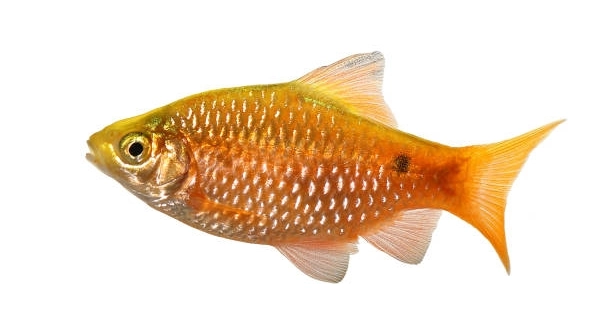
Have you ever watched your Rosy Barbs darting around their tank, seemingly chasing little flashes of light across the gravel and plants? Their quick movements can be both amusing and puzzling to observe.
Rosy Barbs chase light spots due to a combination of visual stimulation and natural hunting instincts. The moving reflections mimic the glint of prey in the water, triggering a response similar to how they would behave in the wild.
Although this behavior may seem playful or random, it actually offers insight into how Rosy Barbs interact with their surroundings in captivity.
Why Light Reflections Attract Rosy Barbs
In their natural habitat, Rosy Barbs often feed on small insects and other moving creatures. Light spots in a tank, especially ones that flicker or shift, resemble those movements. The fish interpret these flashes as potential food or activity worth investigating. Their visual system is highly sensitive to motion, and they are naturally drawn to anything that changes quickly in their line of sight. This behavior can be triggered by sunlight reflecting off a nearby surface, a moving object outside the tank, or even ripples in the water. It’s not a sign of distress—it’s a response to something stimulating. When kept in an aquarium, Rosy Barbs rely heavily on sight to make sense of their environment. So, when a light spot appears, they quickly chase it out of instinct. This behavior often leads owners to believe the fish are playing, but it’s a much deeper reaction rooted in survival.
This light-chasing behavior is common in active, alert species like Rosy Barbs.
You may also notice they lose interest quickly once they realize the spot isn’t food. Their behavior tends to reset after a few minutes of chasing. But the moment the light shifts again, they are right back to investigating. This shows how reactive and alert Rosy Barbs can be in stimulating environments. It’s part of what makes them interesting to keep in home tanks. Still, if the behavior becomes constant or frantic, it’s worth checking their surroundings to make sure it’s not caused by overstimulation or stress. Keeping a balanced lighting setup and avoiding strong glares on the glass can help maintain calmness in the tank. That said, occasional chasing is normal and even healthy. It encourages natural behavior and keeps their senses active in captivity, offering a closer reflection of their wild instincts.
What It Means for Tank Owners
Watching Rosy Barbs chase light can seem funny, but it’s actually a response to instinct.
If your Rosy Barbs regularly chase moving light, it can be a sign that they’re well-adjusted and curious. This behavior shows their alertness and comfort in the tank. However, frequent or obsessive chasing may indicate that they need more structured enrichment or that the lighting setup is too intense. Consider checking for reflective surfaces near the aquarium, as these can cause distracting flashes. You can also give them more mental stimulation by adding plants, hiding spots, or even other active fish to interact with. A calm, well-balanced tank encourages healthy behavior. If the light chasing is occasional and the fish are otherwise active and eating well, there’s no reason to worry. It’s part of how they engage with their environment, and recognizing this pattern helps you understand them better.
How Light Affects Fish Behavior
Bright lights can make Rosy Barbs more alert and reactive. When light hits the tank at a certain angle, it creates moving reflections that catch their attention and trigger fast swimming or chasing behavior.
Rosy Barbs rely on vision more than some other fish. They respond strongly to changes in light and motion. In tanks with shifting sunlight or reflective surfaces nearby, their behavior often becomes more active. They may swim faster, dart toward the light, or gather in spots where light patterns move. These responses are not random—they’re linked to their instincts. In nature, light moving through water can signal insects or other prey. So even in an aquarium, Rosy Barbs react as if they’re still hunting. This sensitivity is part of their natural behavior and can be encouraged in a safe, balanced environment without overwhelming them with too much brightness.
Overexposure to artificial lighting or strong glare can cause stress. When Rosy Barbs are exposed to intense, direct light for long periods, they may hide more often or become restless. Their chasing may turn into frantic behavior, especially if there’s no break from the reflections. Keeping the lighting soft and steady helps reduce this. A mix of shaded areas and well-lit spots gives them the freedom to move between zones depending on how they feel. Adjusting the tank’s placement and avoiding mirrors or shiny objects near the aquarium can also help. It’s not just about what they see, but how often and how intensely they see it.
The Role of Enrichment in Tanks
Rosy Barbs are naturally curious and do better in tanks that keep them mentally and physically engaged. When the environment stays the same, they may become bored or more reactive to small changes like flickering light.
Adding enrichment helps reduce light-chasing behavior by giving Rosy Barbs other things to focus on. Try placing plants, driftwood, and hiding spots around the tank. These not only break up light patterns but also create a more natural setup. Even rearranging decorations from time to time gives them something new to explore. If they’re in a group, social interaction also keeps their minds active. While chasing light now and then is normal, a tank that offers variety will help prevent overstimulation. Make sure the filter flow is gentle, as strong currents combined with flashing light may stress them out. A well-designed environment supports both their instincts and their comfort.
Common Triggers in Home Tanks
Light bouncing off nearby mirrors, windows, or phone screens can create sudden flashes that make Rosy Barbs chase them. These triggers often come from outside the tank, not the tank setup itself.
Even the movement of people near the tank can cause changes in reflections. Quick shadows and shifting light can easily catch their attention.
How to Reduce Unwanted Light Chasing
To help your Rosy Barbs feel more at ease, try moving the tank away from direct sunlight or large windows. Covering one side of the tank with a background can also reduce reflections. Choose soft, adjustable lighting instead of bright, fixed ones. If possible, place plants or decorations near the tank walls to break up light patterns. Reducing screen time near the tank and avoiding shiny objects close by can make a difference too. These small changes often lead to calmer, more natural behavior. The goal isn’t to stop the chasing completely, but to create a space where the behavior stays balanced.
Why This Behavior Matters
Light chasing tells you how Rosy Barbs interact with their surroundings. Noticing these small signs helps you create a better, healthier space for them.
FAQ
Is it normal for Rosy Barbs to chase light spots every day?
Yes, it’s fairly normal if they do it occasionally, especially during certain times of the day when light changes. Daily chasing isn’t a problem unless it becomes constant or frantic. In that case, something in the environment may be overstimulating them. Check for strong sunlight, reflections, or flickering screens near the tank. If the rest of their behavior seems calm—eating well, swimming normally, and interacting peacefully with tank mates—there’s usually no need to worry. A little light chasing is part of their alert, curious nature.
Can light chasing mean my Rosy Barb is stressed?
Yes, if the chasing looks frantic or nonstop, it may be a stress response. Fish under stress sometimes react more to movement and light, especially if they can’t find a calm space in the tank. Watch for other signs like rapid breathing, hiding, or avoiding food. These can help confirm if it’s stress. If chasing happens only now and then and stops quickly, it’s probably just a reaction to movement. Try adjusting the tank lighting or adding plants and hiding spots to see if that helps them settle down.
Should I remove objects near the tank that reflect light?
If your fish seem overly focused on light spots, it’s a good idea. Shiny or glassy objects near the tank can reflect light at odd angles, especially when natural light shifts throughout the day. Even a cell phone screen or a watch catching the light can send quick flashes into the tank. If your Rosy Barbs keep returning to one area of the glass or seem agitated by movement outside the tank, check nearby objects and remove anything that reflects. Sometimes even small adjustments can change how they behave.
Do all Rosy Barbs react the same way to light?
Not always. Just like people, individual fish have different temperaments. Some may react quickly to light changes and chase every flicker. Others may be calmer and ignore most of it. Group dynamics can also affect behavior. If one fish starts chasing, the others might follow. Over time, you’ll notice patterns unique to your tank. Watching how your fish respond helps you understand what’s normal for them. As long as they seem healthy and active, a little variation in behavior isn’t a cause for concern.
Can changing the light schedule help reduce chasing?
Yes, keeping a consistent light schedule can help regulate their behavior. Use a timer so the tank lights turn on and off at the same time each day. This helps Rosy Barbs feel more secure. Sudden changes in lighting can startle them or trigger chasing. If natural light also hits the tank, try placing a curtain nearby to soften the brightness during peak hours. Some fish do better with a few hours of dim lighting in the morning or evening to ease the transition between night and day.
Is this behavior found in other fish too?
Yes, many fast-moving and visually alert fish show similar behaviors. Danios, tetras, and other barbs may also chase light or quick reflections. It’s often more noticeable in species that are active swimmers and rely heavily on sight. However, not all fish react the same way. Slower or bottom-dwelling species might ignore light altogether. Rosy Barbs are especially responsive due to their curious and energetic nature. So while it’s not unique to them, it is more common and more visible in their case.
Does chasing light mean they need more food?
Not necessarily. Light chasing is more about visual stimulation than hunger. Rosy Barbs chase light spots because they mimic movement, not because they expect food. That said, if your fish are chasing light constantly and also appear to be foraging more or showing signs of hunger—like picking at the substrate—you may want to review your feeding schedule. Overfeeding can cause health problems, so it’s important to find a good balance. Usually, a small amount of high-quality food once or twice a day is enough.
What if my Rosy Barbs suddenly start chasing light after weeks of ignoring it?
Sudden changes in behavior can be triggered by shifts in lighting, rearranging the room, or even cleaning the tank. If the chasing is new, think about what may have changed recently. Did you move a lamp, adjust the tank’s position, or open a window nearby? Even seasonal changes in natural light can affect tank reflections. Try to track what changed and reverse it if the behavior becomes excessive. Most of the time, they adjust after a few days, especially if the rest of the environment is stable.
Final Thoughts
Rosy Barbs are active, alert fish that react strongly to light and movement in their environment. When they chase light spots, it’s usually a natural response to something that catches their eye—like a reflection or a flicker. This behavior often looks playful or random, but it’s actually part of their instinct to follow motion. In the wild, quick flashes of light can signal the movement of insects or food in the water. So even in an aquarium, they react the same way. Most of the time, this behavior is harmless and even shows that your fish are healthy, aware, and curious about their surroundings.
Still, it’s important to keep an eye on how often it happens and how the fish act during and after the chasing. If the behavior becomes constant or looks frantic, it may mean something in the tank or room is causing too much stimulation. Things like bright sunlight, mirrors, or screens nearby can reflect light into the tank and trigger this response over and over. Too much of this can lead to stress. Fish need a calm and stable environment, so it helps to reduce sudden flashes or reflections. Making small changes—like moving the tank, using a background, or adding more plants—can help balance out the space and keep your Rosy Barbs calm and comfortable.
Understanding this behavior also helps you connect better with your fish. Noticing small changes, like when or how they chase light, gives you clues about their comfort and health. It’s easy to assume they’re just “playing,” but knowing there’s more to it can help you set up their tank in a way that supports their natural instincts. The goal isn’t to stop the behavior completely, since occasional chasing is normal. Instead, it’s about creating a space that allows for healthy, natural activity without too much stimulation. With the right setup and a little observation, you can make sure your Rosy Barbs stay active, alert, and stress-free—while enjoying their curious habits in a safe and balanced home.

Hello,
If you enjoy the content that we create, please consider saying a "Thank You!" by leaving a tip.
Every little bit helps us continue crafting quality advice that supports the health, happiness, and well-being of pets around the world, for pets of all shapes, sizes, and species.
We really appreciate the kindness and support that you show us!