
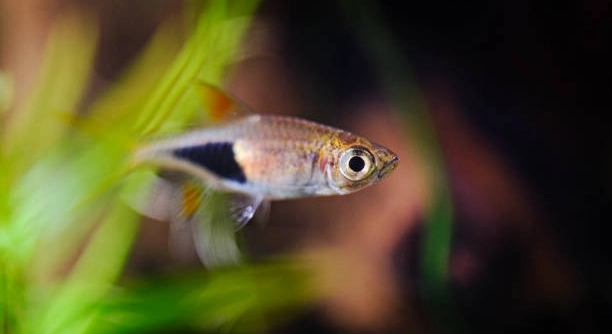
Rasboras are small, colorful fish often seen in home aquariums. Their lively movements and shimmering scales make them a delightful addition to any tank, catching the attention of both new and experienced fish keepers alike.
Rasboras swim vertically primarily due to their swim bladder, a gas-filled organ that controls buoyancy. Adjusting the gas volume allows them to maintain position, rise, or descend in water while conserving energy and navigating their aquatic environment efficiently.
Observing this behavior can reveal more about their natural instincts and the subtle ways they interact with their habitat. Understanding these patterns enriches the experience of keeping these vibrant fish.
Understanding Vertical Swimming
Vertical swimming in rasboras is a fascinating behavior that many aquarium owners notice but do not fully understand. This movement often occurs when they are exploring their environment or adjusting to water conditions. Their swim bladder, a small internal organ, allows them to regulate their buoyancy, enabling smooth upward and downward movements. In a well-maintained tank, rasboras use vertical swimming to search for food, interact with plants, or maintain their position within the school. Observing this behavior closely can provide insight into their health and comfort levels. A sudden change in vertical swimming patterns might indicate stress, water quality issues, or dietary needs. Maintaining consistent water temperature, proper filtration, and a balanced diet can support their natural movements. By recognizing these subtle behaviors, you can ensure that your rasboras remain active and display their characteristic, lively patterns within the aquarium space.
Vertical swimming is a sign of healthy buoyancy control and overall well-being in rasboras.
Watching rasboras glide vertically gives a unique perspective on their daily activities. It highlights their agility and coordination within the school. These movements are essential for their interaction with the environment. Vertical swimming allows them to reach different water layers efficiently, maintain balance, and respond to stimuli. Tanks with varied plant heights and open swimming areas encourage this natural behavior. Rasboras often swim in a slight tilt or complete vertical orientation depending on curiosity or feeding patterns. Observing these patterns can help identify if the fish are comfortable with their surroundings. Changes in behavior, like floating excessively or sinking, may indicate the need for water testing or dietary adjustments. Keeping the aquarium clean and stable supports natural swimming, reduces stress, and promotes longer lifespans.
Environmental Factors Influencing Rasboras
Tank conditions play a major role in vertical swimming behavior. Proper lighting, temperature, and oxygen levels all contribute to their comfort and activity.
Water quality, plant density, and available swimming space greatly impact rasboras’ vertical movements. In crowded or poorly maintained tanks, these fish may swim less or adopt unusual angles. Temperature fluctuations can affect their metabolism, making vertical swimming less frequent or uneven. Providing an environment that mimics their natural habitat encourages normal behavior. Plants of varying heights offer resting spots and vertical exploration opportunities. Gentle water flow allows them to swim without excessive effort, supporting healthy buoyancy control. Regular feeding routines and balanced nutrition also affect vertical activity, as well-fed fish are more likely to explore the entire water column. Observing these environmental interactions helps you adjust tank settings for optimal comfort. By paying attention to these factors, vertical swimming becomes a consistent, healthy activity, reflecting the overall well-being of rasboras in the aquarium.
Social Behavior and Schooling
Rasboras often swim vertically as part of their social behavior. In schools, these movements help them stay coordinated and maintain group formation. Vertical orientation can signal alertness or readiness to respond to environmental changes. It is a natural aspect of their interaction and communication within the group.
Swimming in vertical patterns allows rasboras to navigate efficiently among tank plants and decorations. When in a school, each fish adjusts its position in response to the movements of others. This behavior reduces collisions and stress while enhancing their collective awareness. Vertical swimming can also indicate dominance or submission, especially when resources like food or resting areas are limited. By observing these patterns, you can better understand how each fish interacts with its companions, and how the group maintains cohesion. Proper tank space and plant arrangement support these natural social behaviors, encouraging both activity and harmony.
Vertical swimming also plays a role in feeding. Rasboras often approach floating or mid-water food by adjusting their orientation. Fish may tilt or rise gradually to reach small particles. This method conserves energy while allowing precise control over movements. Observing feeding patterns alongside vertical swimming can reveal preferences and highlight healthy, active behaviors. Well-fed rasboras exhibit smoother transitions in vertical motion and maintain coordinated group dynamics. This behavior is closely tied to their natural instincts and survival strategies in aquatic environments, reflecting both comfort and alertness within the tank setting.
Breeding and Reproduction
Vertical swimming is common during breeding periods. Rasboras often adjust their positions to select suitable sites or display courtship behaviors to potential mates.
During spawning, rasboras may adopt near-vertical positions while scattering eggs among plants. Males often swim upward or tilt to appear more prominent, attracting females. These movements facilitate successful fertilization while minimizing conflicts within the school. Females respond by positioning themselves strategically to deposit eggs in secure locations. Tank design, including plant density and water depth, influences how easily these behaviors occur. Observing vertical swimming during breeding can indicate readiness and reproductive health. Maintaining stable water parameters and providing proper nutrition ensures that rasboras can engage in these behaviors naturally, promoting successful breeding outcomes.
Health and Vertical Swimming
Vertical swimming can indicate good health in rasboras. Active, upright movement shows proper buoyancy control and normal swim bladder function, reflecting overall well-being.
Conversely, irregular or struggling vertical swimming may signal stress, illness, or water quality issues. Monitoring these patterns helps detect problems early and maintain healthy fish.
Diet and Buoyancy
A balanced diet directly supports vertical swimming. Overfeeding or inappropriate food can disrupt swim bladder function, causing floating or sinking issues. Consistent feeding schedules and high-quality nutrition ensure stable buoyancy, energy, and activity levels.
Stress Factors
Environmental stressors like sudden changes in temperature, light, or tankmates affect vertical swimming. Rasboras may swim erratically or cling to plants when stressed, signaling the need for adjustments in tank conditions.
Observation Tips
Regular observation of vertical swimming patterns provides insight into behavior, health, and comfort. Recording changes helps track long-term well-being and ensures responsive care for your rasboras.
FAQ
Why do rasboras swim vertically sometimes?
Rasboras swim vertically mainly to adjust their buoyancy. Their swim bladder allows them to rise or sink in the water column efficiently. Vertical swimming is a normal behavior for exploring, feeding, or interacting with other fish. It reflects healthy movement when observed in a stable tank.
Is vertical swimming a sign of illness?
Not always. Occasional vertical swimming is normal, but persistent tilting, spinning, or floating upside down may indicate swim bladder problems, infections, or stress from water quality issues. Monitoring water parameters and diet can help prevent health concerns.
How does tank size affect vertical swimming?
Rasboras require sufficient vertical space to move naturally. A tall tank allows full exploration and helps maintain balance in the school. Shallow tanks may restrict movement and cause abnormal patterns. Proper tank design supports activity and comfort.
Does diet influence vertical swimming?
Yes. Overfeeding or feeding unsuitable food can lead to buoyancy issues, causing rasboras to float or sink uncontrollably. Providing small, balanced meals and high-quality food ensures stable swim bladder function and encourages normal vertical movement.
Can stress cause vertical swimming changes?
Absolutely. Stress from sudden light changes, aggressive tankmates, or poor water quality can alter swimming behavior. Rasboras may cling to plants, dart rapidly, or swim erratically. Observing these changes helps identify stress factors early and maintain a stable environment.
Do all rasbora species swim vertically?
Most rasbora species exhibit vertical swimming, but the frequency and style may vary. Some species tilt slightly while others swim completely upright, depending on natural habits, tank conditions, and social behavior. Understanding species-specific behavior helps interpret vertical movement accurately.
How can I encourage healthy vertical swimming?
Providing a well-planted tank with open swimming areas and stable water conditions encourages natural vertical movement. Consistent feeding, proper lighting, and compatible tankmates support activity. Avoid overcrowding to reduce stress and allow each fish to swim freely.
Is vertical swimming related to breeding behavior?
Yes, during breeding periods, rasboras often swim vertically. Males may tilt or rise to attract females, while females adjust position to deposit eggs. Adequate plant coverage and calm water help facilitate successful reproduction and natural courtship behavior.
Can water parameters impact vertical swimming?
Water temperature, pH, and oxygen levels directly affect swim bladder function and activity. Sudden changes may lead to erratic vertical swimming or reduced mobility. Maintaining consistent water conditions ensures healthy behavior and reduces stress-related issues.
What should I do if my rasbora swims vertically all the time?
Constant vertical swimming or floating may indicate swim bladder disorder, infection, or stress. Test water quality, check diet, and isolate affected fish if necessary. Observing other symptoms like loss of appetite or lethargy helps determine the proper corrective measures.
Do young rasboras swim vertically differently than adults?
Juvenile rasboras may exhibit more frequent vertical movements as they explore the tank and adjust buoyancy. Adults usually display controlled, deliberate vertical swimming. Observing changes over time can help track development and overall health in a growing school.
How can I tell if vertical swimming is normal or abnormal?
Normal vertical swimming is smooth and coordinated with the school. Erratic tilting, spinning, or persistent floating indicates potential health or environmental issues. Regular observation and noting deviations help maintain the tank’s stability and the fish’s well-being.
Does lighting affect vertical swimming?
Yes, sudden or intense lighting may cause rasboras to swim closer to plants or hide. Gradual, consistent lighting encourages natural exploration and vertical movement, reducing stress and promoting normal activity throughout the water column.
Can vertical swimming indicate social hierarchy?
Sometimes. Slight vertical adjustments may reflect dominance or submission within a school. Males may rise to appear larger, while less dominant fish adjust position accordingly. These subtle movements are part of natural interaction and communication.
How do plants influence vertical swimming?
Plants provide resting spots and vertical navigation points. Dense vegetation encourages exploration and safe vertical swimming. Sparse or low plants may limit these movements, affecting natural behavior and potentially increasing stress in the school.
Are there seasonal changes in vertical swimming?
In home aquariums, seasonal variations are minimal if water parameters remain stable. However, breeding cycles may trigger increased vertical activity, particularly when fish prepare to spawn or exhibit courtship behaviors.
Can vertical swimming help detect early health problems?
Yes, observing changes in orientation, frequency, or coordination can indicate issues before other symptoms appear. Regular monitoring allows early intervention, improving recovery chances and maintaining overall tank health.
What is the ideal tank setup for vertical swimming?
Tall tanks with varied plant heights and open swimming areas encourage natural vertical movements. Proper filtration, stable water parameters, and low stress levels help rasboras maintain activity, balance, and coordination within the school.
Does age affect vertical swimming?
Older rasboras may swim less vertically if mobility declines. Young and adult fish are more active, exhibiting controlled vertical movements for feeding, exploration, and social interaction. Age-related observation can help identify normal behavioral changes.
How does water flow influence vertical swimming?
Gentle water currents allow rasboras to swim efficiently and maintain position without excessive effort. Strong currents can disrupt buoyancy control, causing irregular vertical swimming and increased stress, while stagnant water may reduce activity levels.
Can tankmates affect vertical swimming?
Yes, aggressive or overly active tankmates may disrupt rasboras’ natural vertical movements. Peaceful, compatible species encourage coordinated schooling and healthy exploration of different water layers, promoting balanced and normal behavior in the tank.
What role does oxygen level play?
Adequate oxygen ensures energy for vertical swimming. Low oxygen can lead to sluggish movement or floating near the surface. Proper aeration and circulation support natural buoyancy and activity, keeping rasboras healthy and active throughout the tank.
How often should I monitor vertical swimming?
Regular observation during feeding, cleaning, or routine checks helps track behavior changes. Daily or frequent monitoring ensures early detection of health or environmental issues and helps maintain consistent tank conditions for the school.
Can vertical swimming indicate happiness?
Active, coordinated vertical swimming generally reflects comfort and well-being. Fish that explore, feed, and interact while swimming vertically are more likely to be healthy, stress-free, and well-adjusted to their environment, showing signs of contentment.
Final Thoughts
Vertical swimming in rasboras is a natural and essential part of their behavior. It reflects the fish’s ability to control buoyancy, navigate their environment, and interact with others in the school. Observing this movement provides valuable insight into their health, comfort, and daily activities. In a well-maintained aquarium, rasboras will display smooth, coordinated vertical swimming patterns, signaling that the swim bladder and other bodily functions are working properly. Sudden changes in orientation or unusual floating behaviors, however, may indicate stress, illness, or environmental issues that need attention. Understanding these movements allows aquarists to respond effectively, ensuring the fish remain active and healthy.
Environmental factors play a major role in supporting vertical swimming. Tank size, water depth, plant placement, and open swimming areas all influence how freely rasboras can move. A tall tank with varied plant heights provides resting spots and allows exploration across different layers of the water column. Stable water conditions, including temperature, pH, and oxygen levels, are equally important, as sudden changes can cause erratic swimming or reduce activity. Tankmates and water flow also impact vertical movement. Peaceful, compatible species encourage coordinated schooling and prevent stress-related behavior, while gentle water currents allow efficient movement without unnecessary energy use. Proper nutrition, consistent feeding routines, and quality food contribute to stable buoyancy and sustained activity, supporting healthy vertical swimming.
Vertical swimming also relates closely to social behavior and reproduction. In schools, rasboras adjust their positions in response to others, maintaining cohesion and communication within the group. During breeding periods, vertical orientation becomes more pronounced, with males often tilting or rising to attract females and females adjusting position for egg-laying. Observing these patterns can reveal readiness for breeding and overall reproductive health. Regular monitoring of vertical swimming can also detect early signs of health problems, providing the opportunity for intervention before issues become serious. By focusing on tank setup, environmental stability, nutrition, and careful observation, vertical swimming becomes a reliable indicator of well-being, allowing aquarists to provide the best care and maintain a thriving aquarium.

Hello,
If you enjoy the content that we create, please consider saying a "Thank You!" by leaving a tip.
Every little bit helps us continue crafting quality advice that supports the health, happiness, and well-being of pets around the world, for pets of all shapes, sizes, and species.
We really appreciate the kindness and support that you show us!