
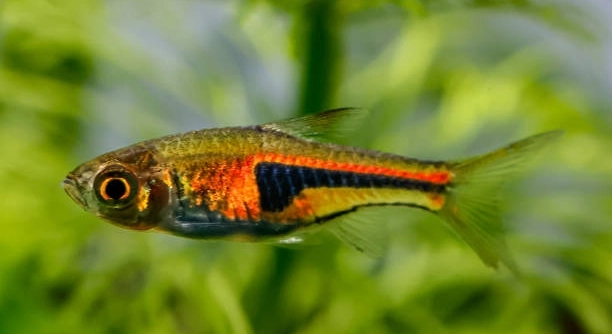
Rasboras are small, colorful fish that brighten home aquariums with their active swimming. Many owners notice them moving at unusual angles, creating a quirky and lively presence in the tank. This behavior can be both amusing and puzzling.
Rasboras swim at odd angles primarily due to issues with their swim bladder, which helps regulate buoyancy. Environmental factors, water quality, or diet can impact the bladder, causing the fish to tilt or float unevenly while swimming.
Understanding why this happens can help improve their health and overall tank harmony, making your aquarium a more balanced and enjoyable space for these delicate fish.
Understanding Swim Bladder Issues
Swim bladder problems are one of the main reasons rasboras swim at odd angles. This organ helps fish maintain balance and stay upright in the water. When it malfunctions, fish may tilt to one side, float to the top, or sink to the bottom. Poor water conditions, such as high ammonia or nitrite levels, can stress fish and affect the swim bladder. Diet also plays a role; overfeeding or feeding foods that expand in the stomach can lead to bloating, which impacts buoyancy. Some rasboras are more sensitive than others, and even small changes in water temperature or pH can trigger these behaviors. Observing the fish carefully and keeping notes on their habits helps identify patterns. Treating swim bladder problems often requires correcting environmental factors and adjusting feeding habits. In severe cases, consulting a veterinarian familiar with fish health is necessary to ensure proper treatment and recovery.
Monitoring water quality regularly helps prevent swim bladder problems and keeps rasboras swimming steadily and comfortably in the tank.
Proper care involves consistent maintenance, including partial water changes, controlling feeding portions, and maintaining stable water parameters. Avoid sudden temperature shifts, and remove uneaten food promptly. If a fish shows persistent tilting, fasting for a day or two can reduce bloating and ease pressure on the swim bladder. Some owners use specialized diets or soaked foods to minimize digestive issues. Overcrowding should be avoided, as stress can worsen swim bladder symptoms. Keeping the tank clean, maintaining consistent routines, and observing fish daily allows early detection of problems. Minor adjustments often result in noticeable improvement, helping rasboras regain natural swimming patterns. This attention to detail not only prevents swim bladder issues but also promotes general health, growth, and vibrant coloring in the fish. Consistency and observation are key to ensuring rasboras thrive in their aquatic environment.
Environmental Factors Affecting Swimming
Water temperature, pH, and tank size all influence rasboras’ swimming patterns. Unstable conditions can lead to unusual tilting or erratic movement.
Proper tank setup includes maintaining a stable temperature, avoiding overcrowding, and providing enough swimming space. Filtration, gentle currents, and clean substrate also contribute to balanced behavior. Plants or decorations give hiding spots but should not block swimming areas. Sudden changes, like adding new fish or rearranging the tank, can cause stress and trigger odd angles in movement. Regular testing of water parameters ensures ammonia, nitrites, and nitrates remain at safe levels. Even minor fluctuations in temperature or pH can affect buoyancy and balance. Lighting should be consistent to avoid disorientation. Observing interactions among tank mates is important, as aggressive fish may stress rasboras and influence their swimming. Overall, a well-maintained and stable environment encourages normal, graceful movement and reduces the likelihood of tilt or imbalance in the tank.
Diet and Feeding Habits
Overfeeding or giving foods that expand in water can cause bloating, which affects rasboras’ swim patterns. Small, frequent meals are better than large portions, and soaked foods help prevent digestive issues. Balanced nutrition keeps them active and reduces the risk of swim bladder problems.
Feeding frozen or live foods occasionally adds variety and supports healthy digestion. Flakes and pellets should be high-quality and suited to small fish. Avoid letting food sit in the tank for too long, as it can foul water and stress the fish. Paying attention to how much and how often they eat helps maintain buoyancy and overall health. Adjusting feeding routines based on observation ensures each fish gets enough without overloading their system. Consistent diet and portion control prevent bloating and irregular swimming, allowing rasboras to move naturally.
Introducing vegetables like blanched peas or spinach in small amounts can also ease digestive pressure. Some rasboras benefit from a short fast once a week, which helps clear the digestive tract. Combining proper diet with regular monitoring of swimming behavior ensures long-term health. Maintaining a balanced feeding routine minimizes tilt and buoyancy issues, keeping the fish comfortable and active in the tank. Observing each fish’s response to different foods provides insight into their needs. Diet management is one of the most effective ways to maintain stable swimming patterns and prevent recurring swim bladder or digestive problems.
Tank Maintenance Tips
Regular water changes prevent ammonia and nitrite buildup, which can stress rasboras and impact swimming. Cleaning the substrate and removing waste supports a healthy environment. Plants and decorations should be placed to allow free swimming space.
Partial water changes of 20-30% weekly help maintain consistent water quality. Test parameters like pH, temperature, and hardness regularly. Filters should be cleaned gently to avoid removing beneficial bacteria. Avoid overcrowding and sudden additions of new fish, which can disrupt balance. Substrate vacuuming removes leftover food and debris. Lighting should follow a steady schedule to reduce stress. Observing behavior after maintenance ensures adjustments are effective. A clean, stable tank environment keeps rasboras healthy, active, and swimming naturally.
Stress and Tank Dynamics
Rasboras can swim at odd angles when stressed by aggressive tank mates or overcrowding. Keeping them in calm groups reduces tension and helps maintain normal movement. Providing hiding spots and open swimming areas supports a balanced environment for all fish.
Sudden changes, like rearranging decorations or adding new fish, can startle rasboras. Observing how they interact and adjusting the tank setup ensures a peaceful habitat. Minimizing noise and vibrations around the aquarium also lowers stress levels. Stable routines and careful monitoring encourage natural swimming behavior and reduce tilt or erratic movements caused by environmental stressors.
Signs of Swim Bladder Problems
Persistent tilting, floating upside down, or sinking are clear signs of swim bladder issues in rasboras. Early detection allows for prompt care and adjustment of tank conditions to support recovery.
Quick Remedies for Minor Issues
Fasting for a day or two can reduce bloating and relieve pressure on the swim bladder. Feeding soaked foods instead of dry pellets often helps prevent further problems.
FAQ
Why do my rasboras tilt even when the tank looks clean?
Even in a clean tank, water parameters like pH, hardness, or temperature can fluctuate slightly and affect buoyancy. Stress from nearby fish or sudden movements outside the tank can also cause temporary tilting. Minor dietary issues may contribute, so monitoring feeding routines helps.
How long does it take for swim bladder problems to improve?
Recovery depends on the cause. Minor dietary bloating may improve within a day or two with fasting or soaked foods. Swim bladder issues caused by water quality or infection may take several days or weeks with consistent care, clean water, and proper nutrition.
Can stress alone cause rasboras to swim at odd angles?
Yes, stress significantly impacts their behavior. Aggressive tank mates, overcrowding, loud noises, or frequent disturbances can make rasboras tilt, float unevenly, or hide. Providing calm, stable surroundings reduces stress and encourages normal swimming patterns.
Are certain foods better for preventing swim bladder issues?
High-quality flakes or pellets designed for small fish work well. Soaking dry foods before feeding reduces expansion in the stomach. Occasional frozen or live foods support digestion and variety. Vegetables like blanched peas help ease bloating and maintain healthy buoyancy.
Should I separate a tilting rasbora from others?
Separation can help if the fish is struggling to compete for food or is harassed. A small quarantine tank with stable water and minimal stress can aid recovery. Observe the fish closely before returning it to the main tank to ensure full improvement.
Do water temperature changes affect swimming angles?
Yes, rasboras are sensitive to temperature fluctuations. Even a few degrees can impact metabolism and buoyancy. Maintain a stable, appropriate temperature for your species. Sudden changes may lead to temporary tilting or erratic swimming behavior.
Can overfeeding cause swim bladder problems immediately?
Overfeeding often leads to bloating, which can press on the swim bladder and affect buoyancy. Feeding small portions, removing uneaten food, and occasional fasting helps prevent this. Observing feeding habits ensures each fish stays healthy without digestive stress.
Are some rasboras more prone to tilting than others?
Yes, individual sensitivity varies. Younger fish, recently introduced specimens, or genetically predisposed individuals may show tilting more frequently. Monitoring their behavior and adjusting care routines helps reduce recurring issues.
Is medication always necessary for swim bladder problems?
Not always. Many issues improve with fasting, diet adjustments, and stable water conditions. Medication may be required only if there is an underlying infection or parasite. Consulting a veterinarian ensures proper treatment and prevents unnecessary stress.
How can I prevent swim bladder problems in the future?
Maintain clean water, stable temperature, and consistent feeding routines. Avoid overcrowding, provide hiding spaces, and observe daily behavior. Balanced diets with occasional vegetables or soaked foods reduce bloating. Early attention to minor changes prevents long-term issues and keeps rasboras swimming normally.
Can I still keep rasboras with other fish if they tilt?
Yes, as long as they are not stressed by tank mates. Avoid aggressive species and ensure adequate space and hiding spots. Maintaining stable conditions helps the fish coexist peacefully without worsening swim bladder or stress-related issues.
How do I know if the swim bladder problem is serious?
Persistent tilting, floating upside down, or sinking for more than a few days indicates a serious issue. Lack of appetite or lethargy also signals concern. Prompt water checks, dietary adjustments, and professional advice can prevent long-term damage.
What role does tank size play in swimming behavior?
Smaller tanks restrict movement and increase stress, sometimes causing odd swimming angles. Providing adequate space, free swimming areas, and proper filtration reduces stress, encourages natural swimming, and supports buoyancy regulation.
Are live plants helpful for rasboras with swim bladder issues?
Yes, live plants create natural hiding spaces and reduce stress. They improve water quality by absorbing nitrates and offer gentle obstacles that encourage swimming without causing strain. Properly arranged plants support healthier movement and confidence in tilting fish.
How often should I monitor my rasboras?
Daily observation is ideal. Watching feeding behavior, swimming patterns, and interactions allows early detection of tilt, stress, or illness. Early intervention prevents minor issues from developing into serious swim bladder or health problems.
Can fasting harm my rasboras?
Short fasting periods of a day or two are safe and often beneficial for relieving bloating. Avoid prolonged fasting, as it may weaken fish. Observing their behavior during fasting ensures it helps rather than stresses them.
Does lighting affect swimming angles?
Inconsistent or harsh lighting can disorient rasboras, causing them to tilt or dart erratically. Maintaining a stable light schedule with gentle intensity promotes calm behavior and supports normal swimming patterns.
How important is water testing for tilt prevention?
Regular testing of pH, ammonia, nitrite, and nitrate levels is critical. Even small imbalances can stress rasboras and affect buoyancy. Monitoring water ensures early corrections and reduces the likelihood of swim bladder problems.
Are there long-term effects of repeated swim bladder issues?
Repeated problems can weaken fish, stunt growth, or make them more prone to infections. Maintaining proper diet, stable water, and low-stress conditions helps prevent recurring tilt and ensures rasboras stay active and healthy.
What’s the first step if I notice a rasbora tilting?
Check water quality and parameters immediately. Adjust feeding if necessary, remove uneaten food, and provide calm surroundings. Early observation and small adjustments often resolve minor tilt issues before they become serious.
Can gentle currents help rasboras swim normally?
Yes, gentle water flow encourages natural swimming without stressing the fish. Strong currents should be avoided, as they can tire or confuse rasboras, worsening tilt and erratic movement. Proper filtration with mild flow supports balanced swimming behavior.
How do I know if a tilted rasbora is eating properly?
Observe whether it approaches food, swallows normally, and digests without visible bloating. If appetite is low or food floats uneaten, adjustments in diet or temporary separation may be needed to restore normal buoyancy.
Do tank decorations affect swimming angles?
Yes, cramped or poorly arranged decorations can limit swimming space, stress fish, and contribute to tilt. Adequate open areas, smooth surfaces, and thoughtful placement allow rasboras to swim naturally and reduce collision-related stress.
Are younger rasboras more likely to tilt?
Juvenile fish may be more sensitive to diet, water changes, and stress, making them prone to odd swimming angles. Extra care in feeding, water stability, and minimal disturbances supports healthy development and proper buoyancy in young fish.
Can I prevent tilting by controlling tank temperature precisely?
Maintaining a steady temperature appropriate for the species reduces stress and supports metabolic and buoyancy stability. Sudden fluctuations, even small ones, can trigger tilt, so consistent heating and monitoring are important for healthy swimming.
What role does aquarium size play in stress-related tilt?
Smaller tanks increase stress and limit swimming options. Proper tank size allows rasboras to move freely, interact safely, and maintain buoyancy. More space, combined with stable water conditions, reduces tilt caused by environmental stressors.
How often should I feed soaked food instead of dry pellets?
Regularly, especially if the fish show bloating or tilt after feeding. Soaking prevents stomach expansion, supports digestion, and reduces pressure on the swim bladder. Alternating with dry pellets keeps a balanced diet without causing recurring buoyancy issues.
Is it normal for rasboras to tilt occasionally?
Occasional minor tilting can happen without underlying problems. Short-term tilt from temporary stress, minor dietary expansion, or brief water fluctuations usually resolves quickly with observation and proper care. Persistent tilt is the main concern requiring intervention.
Can adding new fish trigger swim bladder issues in existing rasboras?
Yes, introducing new fish can cause stress, alter social dynamics, and trigger tilt in sensitive rasboras. Gradual introduction, quarantine of new arrivals, and careful observation reduce the risk of stress-induced swimming problems.
Are all rasboras affected by the same factors equally?
No, individual sensitivity varies. Age, health, genetics, and personality influence how each fish responds to diet, water quality, or tank dynamics. Personalized observation and care adjustments are key to preventing tilt in each fish.
Do medications have side effects for rasboras?
Some treatments can stress or harm delicate fish if not used correctly. Always follow dosage instructions and monitor behavior during treatment. Supportive measures like diet and water quality often reduce the need for medications.
How long should I observe behavior after making changes?
Observe daily for at least several days to a week. Fish may take time to adjust to water changes, diet modifications, or new tank setups. Patience ensures improvements are effective and sustainable.
What’s the best way to combine diet and tank care?
Feed appropriate portions, soak foods, and introduce variety while maintaining stable water conditions. Clean tanks, proper temperature, and stress-free surroundings complement diet adjustments, creating an environment where rasboras swim naturally without tilt or buoyancy issues.
Can minor injuries cause odd swimming angles?
Yes, bumps or scrapes can temporarily affect swimming. Monitor healing, ensure clean water, and avoid aggressive tank mates. Most minor injuries resolve quickly if the fish remain in a calm, stable environment.
Do social interactions impact tilt?
Yes, rasboras are schooling fish. Lack of companions or harassment by other fish can cause stress, affecting swimming angles. Maintaining an appropriate group size and peaceful tank mates encourages normal, coordinated movement.
Is fasting safe for all rasboras?
Short fasting is generally safe, but monitor each fish individually. Weak or sick fish may need special attention, and prolonged fasting should be avoided to prevent additional stress or malnutrition.
How often should I check water parameters?
Weekly testing is recommended for stable conditions, with more frequent checks if problems appear. Parameters like ammonia, nitrites, nitrates, pH, and temperature directly influence swimming behavior and overall health.
Can changing the filter affect swimming angles?
Yes, altering water flow or removing beneficial bacteria can stress fish temporarily. Clean filters gently and maintain consistent flow to avoid disrupting swimming patterns or causing tilt.
Are some types of rasboras more prone to digestive issues?
Yes, certain species are more sensitive to diet changes or overfeeding, making them prone to bloating and swim bladder problems. Tailoring diet and feeding schedules helps reduce tilt and digestive stress.
How important is routine observation for preventing tilt?
Daily observation allows early detection of tilt, stress, or digestive problems. Noticing small changes before they worsen ensures timely interventions and promotes healthy swimming and overall well-being.
Can water hardness affect swim bladder?
Extreme hardness or sudden changes in water hardness can stress rasboras and impact buoyancy. Maintaining stable, species-appropriate hardness helps prevent tilt and supports natural swimming behavior.
What signs indicate improvement after treatment?
Steadier swimming, upright posture, normal feeding, and active behavior indicate recovery. Continuous observation confirms that adjustments in diet, water quality, or environment are effective and that the fish is regaining proper buoyancy.
Are there long-term preventive measures for swim bladder issues?
Consistent water maintenance, stable temperature, balanced diet, and stress reduction are key. Regular monitoring and minor adjustments prevent recurring tilt and ensure rasboras maintain healthy swimming patterns throughout their life.
How does overcrowding affect tilt?
Too many fish increase competition for food, create stress, and reduce free swimming space. Proper stocking density prevents stress-induced tilt and supports natural behavior, movement, and buoyancy in rasboras.
Can rasboras recover fully from serious swim bladder problems?
Yes, with proper care, diet adjustments, stress reduction, and clean water, most rasboras can regain normal swimming patterns. Early intervention and patience are critical for successful recovery and long-term health.
How do I combine all preventive steps effectively?
Maintain stable water parameters, control diet, reduce stress, provide proper tank size, monitor behavior daily, and make gradual changes. This holistic approach ensures rasboras swim naturally, stay healthy, and avoid recurring swim bladder or tilt issues.
Rasboras are delicate fish that bring life and movement to any aquarium. Their small size and vibrant colors make them a joy to watch, but their behavior can sometimes be confusing, especially when they swim at odd angles. Many of these behaviors are linked to health, diet, or environmental factors. Understanding what affects their swimming patterns helps ensure that they remain healthy and active. Tilted swimming, floating to one side, or sinking can indicate swim bladder problems, stress, or digestive issues. Observing your fish carefully allows you to notice small changes early. Even minor adjustments in feeding routines, water quality, or tank setup can make a noticeable difference in their behavior. Maintaining a clean, stable environment is key to reducing the risk of these problems. Keeping the tank free of excess waste, monitoring ammonia and nitrate levels, and providing proper filtration supports not only swimming behavior but overall health.
Diet plays a significant role in how rasboras swim. Overfeeding or feeding foods that expand too much in water can lead to bloating, which affects buoyancy and causes the fish to tilt or float irregularly. Small, frequent meals are more effective than large portions, and feeding soaked or blanched foods can reduce digestive stress. Including occasional vegetables like peas or spinach can help clear the digestive tract and prevent swelling. It is important to observe how your fish react to different foods. If a rasbora struggles after eating, adjustments in portion size or food type can prevent swim bladder issues from worsening. Balanced nutrition, combined with stable tank conditions, promotes natural swimming behavior and keeps the fish comfortable in their environment. Fasting occasionally for a short period can also help relieve minor bloating without causing stress.
Environmental and social factors are equally important for maintaining normal swimming behavior. Stress caused by overcrowding, aggressive tank mates, or frequent changes in the tank can result in odd swimming angles. Providing adequate space, calm surroundings, and hiding spots allows rasboras to move freely and feel secure. Stable water temperature, proper pH, and consistent lighting also support their natural behavior. Observing daily interactions among fish ensures no individual is being harassed or stressed. Minor injuries or temporary changes in the environment can also affect movement, but with patience and care, most rasboras recover quickly. By combining proper diet, stable water conditions, and attention to social dynamics, these small fish can thrive and swim naturally, adding beauty and life to the aquarium without persistent tilt or erratic behavior.

Hello,
If you enjoy the content that we create, please consider saying a "Thank You!" by leaving a tip.
Every little bit helps us continue crafting quality advice that supports the health, happiness, and well-being of pets around the world, for pets of all shapes, sizes, and species.
We really appreciate the kindness and support that you show us!