
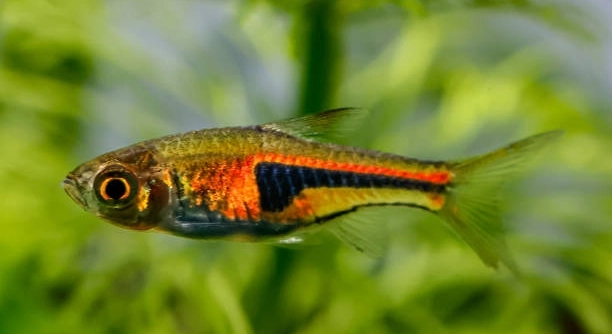
Are your rasboras suddenly swimming apart or hiding more than usual? Changes in behavior can be subtle yet noticeable, signaling that something in their environment or health may be affecting how they interact with each other.
Rasboras often stop interacting due to stress, illness, or suboptimal water conditions. Factors such as sudden temperature changes, poor water quality, lack of hiding spaces, or overcrowding can directly influence their social behavior and activity levels.
Observing their daily routines and tank conditions can reveal the root causes behind this change. Small adjustments may help restore harmony and interaction among your fish.
Common Environmental Triggers
Water quality is one of the main reasons rasboras stop interacting. High levels of ammonia, nitrites, or nitrates can stress the fish, making them withdraw. Sudden temperature changes or inconsistent lighting can also disturb their normal activity. Rasboras thrive in stable conditions with regular water changes and proper filtration. A tank with insufficient plants or hiding spots may make them feel exposed, reducing social behavior. Overcrowding can add to stress, forcing dominant fish to chase others and making shy fish retreat. Even small shifts in tank layout can alter interactions, as rasboras rely on familiar spaces. Monitoring pH levels and keeping them within the species’ preferred range supports both health and social engagement. Observing their swimming patterns and grouping behavior helps determine if the environment needs adjustment. Proper maintenance and attention to details often restore their usual activity levels and interactions.
Keeping tank conditions stable ensures rasboras feel secure and more likely to interact naturally with each other.
Providing consistent care and carefully managing water parameters, lighting, and space can significantly improve rasbora behavior. Gradual adjustments are key to reducing stress.
Health and Behavioral Factors
Illness can cause rasboras to isolate or stop interacting. Sick fish often lose appetite, swim sluggishly, or display faded colors. Stress weakens their immune system, making them more prone to disease. Regular observation helps detect subtle changes before problems worsen.
Monitoring for signs of disease, including spots, frayed fins, or labored breathing, is critical for maintaining their social behavior.
Internal parasites, bacterial infections, and fungal growths can all disrupt interaction patterns. Rasboras in poor health tend to hide more, avoiding group swimming and social behaviors. Even minor injuries from aggressive tank mates can make them retreat. Proper diet, including high-quality flakes, frozen, or live foods, supports immunity and vitality. Quarantining new fish prevents introducing infections to the main tank. Maintaining a clean environment with stable water conditions reduces stress and keeps the immune system strong. Behavioral changes can also stem from aging, as older fish are less active and interact less frequently. Understanding these health factors allows timely intervention, ensuring rasboras remain active and social within their environment.
Adjusting Tank Setup
Rasboras respond quickly to changes in their environment. Rearranging decorations, adding plants, or increasing hiding spots can encourage interaction and reduce stress. Small adjustments often improve social behavior without drastic changes to their routine.
Providing dense vegetation and natural shelters creates secure zones where shy rasboras can explore without fear. Floating plants can diffuse light, making the tank feel safer. Open swimming areas allow dominant fish to establish territories while giving weaker fish space. Adjusting decorations gradually prevents additional stress, letting them adapt naturally. Even subtle changes, like moving a rock or adding a small driftwood piece, can stimulate curiosity and group movement, helping rasboras regain their social habits and maintain balanced activity levels.
Using gentle modifications in tank layout helps restore interaction. Observing their response ensures changes are effective and do not increase stress, supporting a healthy, active community.
Feeding Practices and Social Interaction
Uneven or insufficient feeding can affect rasbora behavior, causing them to compete aggressively or retreat from the group. Consistent schedules help maintain calm and predictable interactions.
High-quality diets that meet their nutritional needs are essential for energy and vitality. Offering a mix of flakes, micro-pellets, and occasional live foods ensures balanced nutrition. Overfeeding can pollute water and create stress, reducing social behavior. Feeding in multiple spots encourages group activity without provoking dominance struggles. Monitoring feeding behavior provides insight into health and group dynamics. Rotating food types can keep them engaged and stimulate natural foraging behaviors, encouraging swimming together and exploring the tank.
Regular observation during feeding times reveals patterns that may indicate stress or illness. Adjusting feeding methods promotes social harmony and improves overall interaction among the rasboras.
Tank Mates and Compatibility
Aggressive or overly active tank mates can cause rasboras to withdraw. Choosing peaceful species reduces stress and encourages normal social behavior. Observing interactions helps identify if compatibility is an issue.
Overcrowding with incompatible fish can lead to hiding and reduced group swimming. Ensuring enough space and balanced numbers maintains calm and allows rasboras to interact freely.
Lighting and Daily Rhythm
Rasboras thrive under consistent light cycles. Irregular lighting can disrupt their natural rhythm, affecting activity and interaction. Maintaining a stable schedule supports healthy behavior patterns and encourages group swimming.
Stress Reduction Techniques
Providing calm water flow, ample hiding spaces, and stable environmental conditions lowers stress. Reduced stress promotes natural behavior, allowing rasboras to interact more confidently with each other.
Observation and Monitoring
Regularly watching your rasboras helps spot subtle behavior changes. Early detection of stress, illness, or environmental issues allows for timely interventions to restore normal social interaction.
FAQ
Why are my rasboras hiding most of the time?
Hiding is often a response to stress. Poor water quality, sudden temperature changes, or aggressive tank mates can make them feel unsafe. Dense plants, rocks, and shelters give them comfort and encourage them to explore gradually. Stable conditions reduce fear and promote social behavior.
Can water changes affect their interaction?
Yes. Sudden or large water changes can shock rasboras, making them retreat or hide. It is best to perform gradual changes while monitoring water parameters. Consistency in temperature, pH, and cleanliness helps maintain normal swimming and group activity.
Do rasboras stop interacting when they are sick?
Illness can cause withdrawal and inactivity. Parasites, bacterial infections, or fungal growths may make fish isolate themselves. Loss of appetite, faded colors, or unusual swimming patterns are common signs. Early treatment and quarantine of sick individuals help protect the rest of the group.
Does the number of rasboras in a tank matter?
Yes. Rasboras are schooling fish and feel safer in groups of at least six. Smaller numbers can make them stressed and withdrawn. Overcrowding, however, increases competition and stress. Maintaining a balanced number supports natural interaction and reduces aggression.
How does feeding impact their behavior?
Uneven or insufficient feeding can lead to stress and competition. High-quality diets, given at consistent times and in multiple spots, promote calm and coordinated group swimming. Overfeeding can pollute the water, causing illness and reducing interaction. Variety in food keeps them engaged and active.
Can tank mates cause them to stop interacting?
Aggressive or overly active tank mates may intimidate rasboras, causing them to hide or separate. Choosing peaceful species and observing interactions helps maintain harmony. Proper spacing and decorations give each fish a safe zone, encouraging normal social behavior.
Does lighting affect rasbora interaction?
Lighting plays a significant role in their activity patterns. Inconsistent or overly bright lighting can stress them. A stable light schedule, with a balance of shaded areas and open swimming spaces, encourages natural movement and schooling behavior.
What environmental adjustments help restore interaction?
Providing hiding spots, rearranging decorations gradually, and maintaining stable water conditions can reduce stress and encourage social behavior. Gentle changes allow rasboras to explore without feeling threatened. Observing their response ensures adjustments are effective and supportive of group dynamics.
Do older rasboras interact less?
Yes. Older or less active fish may naturally spend more time resting and hiding. Ensuring proper nutrition, a calm environment, and compatible tank mates helps older individuals stay engaged without causing stress.
How can I monitor if my rasboras are stressed?
Watch for signs like hiding, clamped fins, faded colors, erratic swimming, or loss of appetite. Consistent observation and noting changes in group behavior allow early intervention to restore a healthy and interactive environment.
Can tank size affect social behavior?
Smaller tanks limit space and increase stress, reducing interaction. Larger tanks with proper layout and territories encourage natural schooling and swimming patterns. Maintaining enough space per fish prevents overcrowding and supports normal social dynamics.
Is water temperature important for interaction?
Yes. Rasboras prefer stable temperatures within their species-specific range. Sudden fluctuations can stress them, causing isolation or sluggishness. Using a reliable heater and thermometer ensures consistent conditions, promoting active and healthy group behavior.
Do rasboras interact less at night?
They are naturally more active during daylight hours. Nighttime inactivity is normal, but complete hiding or lethargy can indicate stress or poor environmental conditions. Ensuring gradual light transitions and safe resting areas supports natural daily rhythms.
Can introducing new fish disrupt interaction?
New fish can temporarily cause stress and hide responses. Quarantining newcomers and introducing them slowly with visual barriers allows existing rasboras to adjust without excessive stress. Proper introductions prevent long-term disruption to social behavior.
What role does diet variety play in interaction?
Varied diets keep rasboras active and engaged. Rotating flakes, pellets, and occasional live foods stimulates natural foraging behavior and encourages group swimming. Consistent nutrition supports energy levels necessary for social interaction.
How long does it take for rasboras to start interacting again?
Recovery depends on the cause. Gradual environmental adjustments, stable water conditions, proper diet, and compatible tank mates can restore normal behavior within days to weeks. Patience and careful observation ensure long-term social harmony.
Can decorations stress rasboras?
Yes. Sharp edges, overcrowded ornaments, or sudden rearrangements can intimidate them. Smooth decorations, adequate open space, and gradual changes promote exploration and reduce hiding behavior, supporting normal interaction.
Do seasonal changes affect behavior?
Fluctuations in room temperature, daylight hours, or tank exposure can influence activity. Maintaining consistent lighting, heating, and water parameters helps mitigate seasonal stress, keeping rasboras active and social throughout the year.
What are the signs that interaction has fully returned?
Rasboras swimming together, actively exploring the tank, showing natural curiosity, and maintaining proper feeding behavior indicate restored social behavior. Balanced movement and consistent group activity reflect low stress and a healthy environment.
How often should I check water parameters?
Regular checks of ammonia, nitrite, nitrate, pH, and temperature are essential. Weekly testing or more frequent monitoring after changes ensures a safe environment, directly supporting interaction and overall fish health.
Can small stressors accumulate to reduce interaction?
Yes. Minor issues like irregular feeding, brief temperature swings, or subtle tank disturbances can combine, causing withdrawal. Addressing each factor and maintaining stable conditions helps rasboras regain normal social behavior gradually.
Rasboras are naturally social fish, and their interactions are a clear indicator of their overall well-being. When they stop engaging with one another, it is usually a signal that something in their environment, health, or care routine is affecting them. Observing their behavior carefully can reveal subtle changes that might otherwise go unnoticed. Hiding, swimming separately, or showing signs of stress are all ways rasboras communicate discomfort. By understanding the reasons behind these behaviors, whether it’s poor water quality, illness, incompatible tank mates, or inadequate feeding, it becomes easier to take targeted steps to restore a healthy and active community in the tank. Recognizing these signs early allows for intervention before small issues become major problems, helping the fish maintain a natural rhythm and social structure.
Maintaining stable water conditions is one of the most effective ways to encourage rasboras to interact again. Regular water changes, careful monitoring of ammonia, nitrite, nitrate, and pH levels, and ensuring proper filtration all contribute to a comfortable environment. Temperature stability is equally important, as sudden fluctuations can cause stress and reduce activity. Tank layout also plays a significant role. Providing plants, rocks, and hiding spaces gives fish areas to feel secure while still allowing open swimming zones for social interaction. Adjustments should be gradual, as abrupt changes can create additional stress. Observing how the fish respond to these changes helps determine whether further adjustments are necessary, ensuring the tank becomes a space where rasboras feel safe and confident to engage with each other.
Health and diet also strongly influence interaction patterns. Fish that are sick or stressed often isolate themselves, while proper nutrition provides the energy needed for social activity. Offering a balanced diet, including high-quality flakes, micro-pellets, and occasional live foods, supports immune function and overall vitality. Overfeeding should be avoided, as it can reduce water quality and contribute to stress. Compatibility with tank mates is another consideration, as aggressive or overly active species may cause rasboras to hide or separate. By carefully monitoring their behavior, making gradual environmental adjustments, maintaining clean and stable water conditions, and providing a suitable diet, it is possible to restore and maintain normal social behavior. These steps ensure a healthy, calm, and interactive tank environment where rasboras can thrive naturally.

Hello,
If you enjoy the content that we create, please consider saying a "Thank You!" by leaving a tip.
Every little bit helps us continue crafting quality advice that supports the health, happiness, and well-being of pets around the world, for pets of all shapes, sizes, and species.
We really appreciate the kindness and support that you show us!