
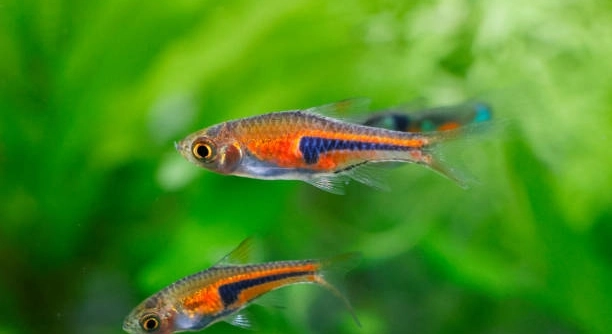
Rasboras are small, peaceful fish that often brighten home aquariums. Watching them swim together can be relaxing, but sometimes they start chasing each other quickly across the tank, catching attention instantly. Their movements can be both playful and puzzling.
Rasboras start chasing each other primarily due to social behavior and territorial instincts. They establish a hierarchy within the group, respond to changes in their environment, and display natural schooling patterns that encourage fast, coordinated movement.
Observing these behaviors can reveal more about their social structure and overall well-being. Understanding the reasons behind their chasing helps keep the aquarium balanced and peaceful.
Understanding Rasboras’ Chasing Behavior
Rasboras are naturally social fish that thrive in groups. When they start chasing each other, it often reflects their instinct to maintain group cohesion and establish a pecking order. Young or new fish may trigger more activity as they integrate into the school. Environmental factors, like tank size, water quality, and hiding spaces, also affect their behavior. Limited space can make them swim faster and closer, which looks like chasing. Sometimes, chasing occurs during feeding, as excitement rises and fish compete for food. Even though it may appear aggressive, most chasing is harmless and part of their natural interaction. Observing these patterns helps in adjusting tank conditions and ensuring fish remain healthy. Changes in lighting, decorations, or water flow can influence how often they chase. A balanced environment with enough space and hiding spots usually reduces excessive chasing and keeps the group calm.
Providing enough space and hiding spots can minimize constant chasing and improve tank harmony.
Monitoring their behavior regularly shows how they interact, revealing signs of stress, excitement, or dominance without needing intervention.
Signs of Stress or Aggression
Chasing that turns aggressive often comes with visible signs like torn fins, rapid darting, or hiding.
If Rasboras show prolonged chasing or aggression, it usually signals stress or an imbalance in the tank. Stress can arise from overcrowding, poor water quality, or sudden changes in temperature or lighting. Introducing new fish too quickly can also trigger aggressive chasing as the school readjusts. Lack of plants or hiding spots may leave fish exposed, increasing competition and tension. In such cases, providing more space, rearranging decorations, or improving water conditions helps calm the group. Watching feeding times is important, as competition for food can increase stress. A careful approach to tank management reduces these aggressive episodes. Healthy Rasboras are active and chase occasionally, but persistent aggression needs attention to prevent injuries and maintain a peaceful environment. By recognizing these signs early, you can make small adjustments that ensure all fish thrive and the tank remains balanced.
Tank Setup and Space
Rasboras need enough space to swim freely. Overcrowded tanks often lead to constant chasing and stress. Providing a spacious environment reduces tension and supports natural schooling behavior, helping fish feel safe and comfortable.
A tank that allows movement and includes hiding spots is ideal. Plants, rocks, or small decorations give Rasboras places to rest and retreat when needed. Proper spacing reduces competition and prevents excessive chasing. Maintaining clean water and consistent temperature also supports calmer interactions. A well-planned tank helps Rasboras show natural, healthy behavior, keeping the group balanced and visually appealing.
The layout of the tank affects how Rasboras interact. Narrow or cluttered areas can force fish into tighter spaces, increasing chasing. Adequate swimming areas and varied hiding spots give them control over their surroundings. Regularly observing their behavior allows adjustments to improve comfort and reduce stress. Simple changes in decoration or plant placement can make a noticeable difference, encouraging more natural, peaceful movement.
Social Dynamics Within the School
Rasboras naturally form hierarchies in their groups. Chasing often reflects their position or role within the school.
Dominance and social ranking affect chasing behavior. Fish at the top of the hierarchy may assert themselves more, while lower-ranking individuals may chase occasionally to establish or defend their place. New fish can disrupt established patterns, causing temporary increases in chasing as the group readjusts. Observing interactions helps identify dominant or stressed fish, allowing better management of the tank. Social dynamics are fluid, and small changes in the group or environment can influence behavior significantly. Understanding these patterns helps maintain a calmer, healthier school of Rasboras.
Group composition impacts how Rasboras interact daily. Mixed ages or different activity levels can create uneven chasing patterns. Ensuring a consistent school size and compatible fish types reduces conflict. Monitoring behavior during feeding, resting, and swimming times shows how social hierarchy affects movement. Adjusting tank conditions or adding hiding spots helps maintain balance. Over time, most groups stabilize, and chasing becomes part of normal schooling behavior rather than a sign of ongoing stress. Observing and understanding these dynamics ensures the school remains harmonious and healthy.
Feeding Time and Excitement
Rasboras often chase each other during feeding. Quick movements and competition for food increase activity, making the chasing more noticeable.
Providing small amounts of food multiple times a day can reduce frantic behavior. Slower feeding encourages calmer interaction and less aggressive chasing.
Water Quality and Its Effects
Poor water quality can stress Rasboras, triggering frequent chasing and restless swimming. Ammonia, nitrite, or nitrate spikes cause discomfort and irritability. Maintaining proper filtration and performing regular water changes helps keep fish calm. Stable temperature and pH levels support healthy behavior, reducing unnecessary chasing within the school.
Recognizing Normal Play
Not all chasing indicates stress. Short bursts of chasing can be playful and part of social interaction.
FAQ
Why do Rasboras chase each other even when the tank is large?
Even in spacious tanks, Rasboras chase each other as part of their natural social behavior. Chasing helps establish hierarchy and maintain group cohesion. It can also happen during feeding or when they explore new decorations. Large tanks reduce stress but do not eliminate this instinctive behavior entirely.
Is chasing always a sign of aggression?
Chasing is not always aggressive. Most of the time, it is playful or a way to assert social rank. Aggressive chasing becomes a concern only when fins get damaged, fish hide constantly, or one fish is repeatedly cornered. Monitoring their behavior over time helps determine if intervention is needed.
How can I reduce excessive chasing in my tank?
Adding more hiding spots, plants, or decorations helps fish feel secure and reduces chasing. Feeding smaller amounts more frequently prevents competition. Ensuring water quality, stable temperature, and appropriate tank size also lowers stress-related chasing. Observing and adjusting the environment keeps interactions calmer.
Do new fish increase chasing among Rasboras?
Yes, introducing new fish temporarily increases chasing as the school readjusts. Existing fish need to establish hierarchy with newcomers. Gradual introductions, floating barriers, or rearranging decorations can reduce tension and allow a smoother integration. Most schools settle down within days or weeks.
Can chasing be a sign of illness?
Occasionally, chasing can be linked to stress from illness or poor conditions. Sick fish may appear lethargic, have clamped fins, or display unusual swimming patterns. Maintaining clean water, a balanced diet, and observing signs of disease helps prevent health-related chasing.
Do male and female Rasboras chase differently?
Males may chase more often, especially during mating or dominance displays. Females usually engage in less aggressive chasing. Both sexes participate in social schooling, but understanding these patterns helps identify normal versus stressful behavior.
Is chasing affected by tankmates?
Yes, tankmates influence chasing. Aggressive or very active species can trigger more frequent chasing among Rasboras. Choosing peaceful, compatible fish and providing adequate space prevents unnecessary stress and keeps schooling behavior healthy.
How do I know if chasing is normal or harmful?
Normal chasing is quick, intermittent, and does not cause injury. Harmful chasing involves constant aggression, torn fins, or hiding. Observing the intensity, frequency, and outcomes of interactions allows you to decide if changes are needed in the tank setup or social group.
Can changing decorations reduce chasing?
Rearranging plants, rocks, or hiding spots can reduce chasing by breaking visual lines and creating safe zones. Fish feel less exposed, which lowers stress and competition. Small changes in tank layout often improve behavior noticeably without major adjustments.
Do Rasboras ever chase out of boredom?
Boredom can increase chasing in a poorly enriched tank. Lack of plants, hiding spots, or stimulation can make fish swim more aggressively. Adding variety and environmental enrichment encourages exploration, reduces stress, and supports calmer, more natural interactions.
How long does it take for chasing to calm down after stress?
After environmental changes or new introductions, chasing usually calms within a few days to a couple of weeks. Consistent conditions, sufficient space, and observation help the school adjust more quickly and restore peaceful schooling.
Is chasing more common in younger Rasboras?
Younger Rasboras tend to chase more frequently as they establish social hierarchy and explore their environment. Older fish may show slower, more calculated movements, but occasional chasing remains part of normal social behavior.
Can chasing indicate readiness to breed?
During breeding periods, chasing may increase, particularly among males pursuing females. This is normal reproductive behavior. Ensuring proper hiding spots and suitable conditions supports safe and successful breeding without excessive stress.
Should I separate chasing fish?
Separation is rarely needed unless chasing causes injury or constant stress. Adjusting tank setup, increasing space, or providing hiding spots usually resolves issues. Careful monitoring allows intervention only when necessary, keeping the school stable and healthy.
Does water temperature affect chasing?
Yes, temperature influences activity. Warmer water can increase metabolism, making Rasboras swim faster and chase more often. Stable, species-appropriate temperatures help regulate activity and reduce unnecessary stress-induced chasing.
How does feeding schedule impact chasing?
Infrequent or uneven feeding increases competition and chasing. Smaller, more frequent meals reduce stress and aggressive bursts. Proper feeding routines support calmer behavior and a more balanced social structure in the tank.
Can chasing damage fish over time?
Persistent aggressive chasing can injure fins, stress fish, and weaken immunity. Preventive measures like hiding spots, proper tank size, compatible tankmates, and careful monitoring reduce long-term damage and maintain a healthy group.
Do Rasboras chase less in planted tanks?
Yes, planted tanks provide natural hiding spots and reduce exposure, lowering chasing intensity. Plants create visual barriers and safe zones, allowing fish to feel secure and interact more calmly within the school.
Are some Rasbora species more prone to chasing?
Some species, like harlequin or chili Rasboras, show higher activity levels, making chasing more noticeable. Understanding species-specific behavior helps manage expectations and create an environment suited to their social and swimming habits.
Does chasing affect overall tank harmony?
Occasional chasing is normal, but constant aggression disrupts harmony. Maintaining proper social structure, environment, and enrichment ensures the school functions smoothly and all Rasboras thrive together without stress.
Final Thoughts
Rasboras are small, lively fish that bring movement and color to any tank. Watching them swim together is often relaxing, but their occasional chasing can seem puzzling or concerning. Understanding why they chase each other helps keep them healthy and happy. Chasing is usually a normal part of their social behavior, reflecting natural instincts to maintain hierarchy and communicate within the group. It is not always aggressive, and most of the time, it is a harmless way for them to interact. Observing their movements and patterns can reveal whether the chasing is normal play, excitement during feeding, or a sign of stress. Recognizing these patterns allows adjustments to the tank environment that can improve their well-being without interfering with natural behavior.
Creating the right environment is key to reducing unnecessary chasing and keeping the school balanced. A spacious tank with enough hiding spots allows Rasboras to feel secure and reduces stress. Adding plants, rocks, or decorations gives fish places to rest and retreat, which can prevent constant chasing. Proper water conditions, including clean water, stable temperature, and appropriate pH levels, are essential for healthy behavior. Overcrowding or poor water quality can increase stress and make chasing more frequent or intense. Feeding habits also play a role; providing smaller, frequent meals can reduce competition and excitement during feeding times. By paying attention to tank setup and care routines, the natural social behavior of Rasboras can be observed without unnecessary worry.
Social dynamics within the school also influence chasing. Rasboras establish a hierarchy, and some chasing reflects dominance or integration of new fish. This behavior is normal and usually settles over time once the group adjusts. Temporary bursts of chasing during new introductions or environmental changes are common and typically calm down within days or weeks. Different species or age groups may show varying levels of activity, and understanding these tendencies helps set expectations. Monitoring their interactions ensures that any persistent aggression is addressed promptly, either through environmental changes or additional hiding spots. Overall, chasing is a normal part of life for Rasboras, and with careful observation and proper care, their tank can remain a peaceful and healthy environment where fish interact naturally.

Hello,
If you enjoy the content that we create, please consider saying a "Thank You!" by leaving a tip.
Every little bit helps us continue crafting quality advice that supports the health, happiness, and well-being of pets around the world, for pets of all shapes, sizes, and species.
We really appreciate the kindness and support that you show us!